

Have you ever wondered how software can transform your business? Whether you run a small shop or manage a large company, the right software can make your work easier, faster, and more efficient.
But what types of businesses really benefit from software? If you’re curious about how technology fits into your daily operations, this article will open your eyes to the possibilities. Keep reading to discover how software can boost your business, no matter what industry you’re in.
Business Sectors Transformed By Software
Software has reshaped many business sectors in big ways. It helps companies work faster and smarter. Many industries use software to improve services and cut costs. Here are key sectors changed by software technology.
Retail And E-commerce
Software manages inventory and customer data efficiently. It helps stores track sales and stock in real time. Online shops use software to handle orders and payments securely. Personalized marketing tools reach customers with the right offers. Software also improves the shopping experience with easy navigation and quick checkout.
Healthcare And Medical Services
Medical software stores patient records safely. It helps doctors diagnose and treat diseases better. Scheduling systems reduce wait times for patients. Telemedicine software allows remote consultations and care. Hospitals use software to manage supplies and staff efficiently.
Financial Services And Banking
Banking software processes transactions quickly and safely. It helps detect fraud and protect customer data. Financial tools assist with budgeting and investment decisions. Mobile apps make banking available anytime, anywhere. Software also automates tasks like loan approvals and account management.
Manufacturing And Supply Chain
Software tracks raw materials and product shipments in real time. It schedules production to meet demand and avoid delays. Quality control systems detect defects early. Supply chain software connects suppliers, manufacturers, and retailers smoothly. Automation reduces manual work and improves accuracy.
Education And E-learning
Learning management systems organize courses and materials online. Software supports virtual classrooms and video lectures. It tracks student progress and grades automatically. Interactive tools make learning more engaging. Schools and universities use software to manage administration and communication.
Key Software Solutions Driving Growth
Software plays a vital role in helping businesses grow. It simplifies tasks and improves efficiency. Many types of software support different business needs. These tools help companies save time and money.
Here are key software solutions that drive business growth. Each one serves a special purpose. They help companies manage customers, resources, marketing, data, and technology.
Customer Relationship Management (crm)
CRM software helps businesses manage customer interactions. It keeps track of contacts and sales history. This tool improves communication with customers. It helps teams work together better. CRM also boosts customer satisfaction and loyalty.
Enterprise Resource Planning (erp)
ERP software connects different parts of a business. It manages inventory, finance, and human resources. This system reduces errors and cuts costs. ERP allows smoother operations and better planning. It helps businesses respond faster to changes.
Marketing Automation Tools
Marketing automation software handles repetitive marketing tasks. It sends emails and posts on social media automatically. This tool targets the right audience at the right time. It saves time and increases marketing success. Marketing teams can focus on creative work.
Data Analytics And Business Intelligence
Data analytics software turns raw data into useful information. It helps businesses understand customer behavior and trends. Business intelligence tools support smart decision-making. They identify opportunities and risks. This software helps companies stay competitive.
Cloud Computing Platforms
Cloud platforms provide online access to software and data. They allow employees to work from anywhere. Cloud services reduce the need for physical hardware. They offer flexibility and easy scalability. Cloud computing saves costs and improves collaboration.
Benefits Of Software For Business Expansion
Software plays a key role in helping businesses grow and expand. It simplifies daily tasks and improves how work gets done. Using the right software can open new opportunities and support bigger goals. Businesses can operate smarter and faster with software tools designed for their needs.
Improved Efficiency And Productivity
Software automates many repetitive tasks, saving time. Employees can focus on important work instead of routine jobs. This leads to faster project completion and better results. Tools like project management and automation software help teams stay organized and productive.
Enhanced Customer Engagement
Software helps businesses connect with customers more effectively. Customer relationship management (CRM) systems track interactions and preferences. This allows personalized communication and better service. Engaged customers are more loyal and likely to return.
Scalability And Flexibility
Software supports growth by adapting to changing needs. Cloud-based solutions allow businesses to add users or features easily. This flexibility helps companies handle more work without major changes. It ensures smooth operations during expansion phases.
Cost Reduction And Resource Optimization
Using software reduces the need for manual labor and lowers errors. Businesses save money on paperwork and processes. Resource management tools help allocate staff and materials efficiently. This leads to better use of budgets and resources.
Faster Decision-making
Software provides real-time data and analytics for quick insights. Managers can see trends and performance at a glance. This information helps make informed decisions faster. Speedy decisions improve response to market changes and opportunities.

Credit: momentum3.biz
Choosing The Right Software For Your Business
Choosing the right software for your business can shape its success. It helps improve work, saves time, and cuts costs. Picking software needs care. It must fit your business needs well. The wrong software may slow your work or waste money. Follow clear steps to find the best fit.
Assessing Business Needs
Start by knowing what your business needs. List tasks that need software help. Think about problems you want to solve. Ask your team for their input. Clear needs guide you to the right software type. Avoid buying tools that do not match your work.
Evaluating Software Features
Check software features closely. Does it offer what your business needs? Look for ease of use and important tools. Simple software saves time and reduces errors. Read reviews to learn from other users’ experiences. Features must match your daily tasks.
Integration With Existing Systems
Software should work well with your current tools. Integration avoids extra work and mistakes. Ask if the software connects with your systems. Smooth data flow keeps your work fast and accurate. Poor integration can cause delays and errors.
Budget And Roi Considerations
Set a clear budget for software purchase. Compare prices with what you get in return. Good software saves money and time over time. Avoid overspending on features you do not need. Calculate how software helps your business grow.
User Training And Support
Check if the software provider offers training. Easy training helps your team use the software well. Support is key if problems appear. Fast help avoids work stoppage. Choose software with good customer service and clear guides.
Future Trends In Business Software
The future of business software is bright and full of new tools. These tools help businesses work faster, smarter, and safer. Software will keep changing with new technology. Companies will use these changes to improve their work and serve customers better.
Artificial Intelligence And Machine Learning
AI and machine learning help software learn from data. They find patterns and make smart decisions. Businesses use AI to predict trends and solve problems. AI tools can automate tasks and help workers focus on important jobs.
Automation And Robotics
Automation speeds up repetitive tasks. Robots and software bots handle simple jobs without mistakes. This saves time and cuts costs. Businesses can produce more and reduce human error by using automation.
Mobile And Remote Work Solutions
Mobile software lets people work from anywhere. Remote work tools keep teams connected and productive. These solutions help businesses hire talent worldwide. Flexibility in work also improves employee happiness.
Cybersecurity Enhancements
Security is critical as threats grow daily. New software protects data and stops cyberattacks. Businesses use strong encryption and monitoring tools. These keep customer information safe and build trust.
Personalized Customer Experiences
Software helps businesses understand customers better. It tracks preferences and behavior. This data creates personalized offers and messages. Customers feel valued and return more often. Personalization improves sales and loyalty.

Credit: www.freshworks.com
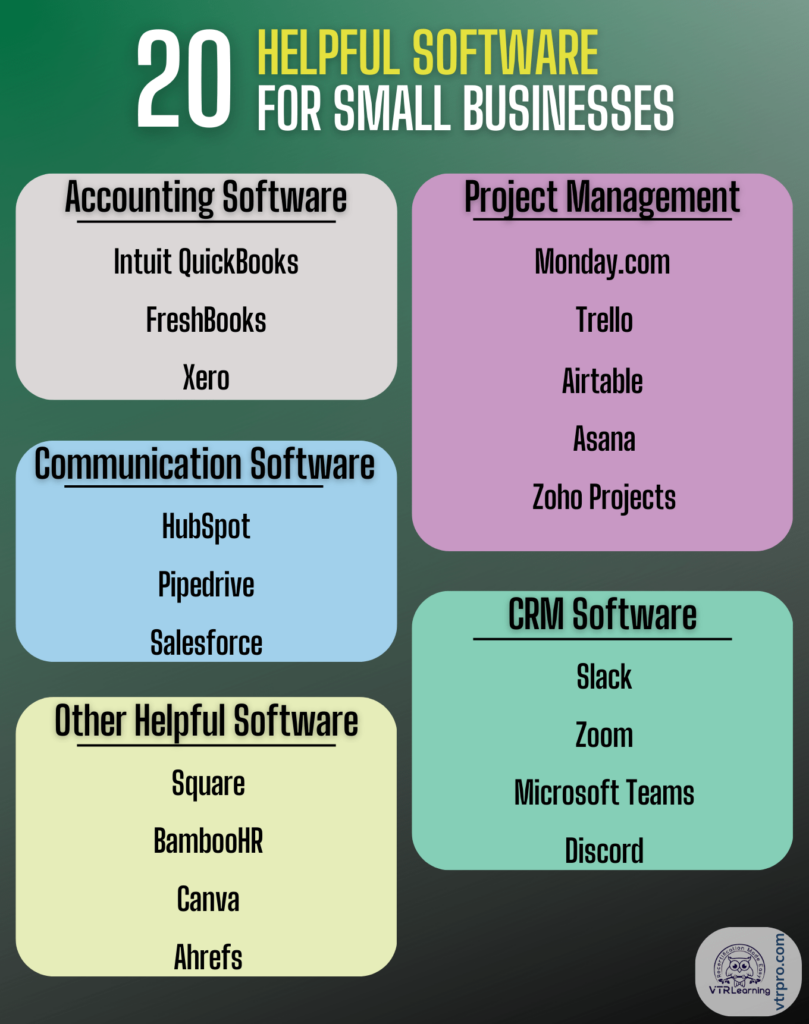
Credit: vtrpro.com
Frequently Asked Questions
What Types Of Businesses Benefit Most From Software?
Software helps various businesses, including retail, healthcare, finance, and manufacturing. It streamlines operations, improves productivity, and enhances customer experience. Small startups to large enterprises use software for automation and data management.
How Does Software Improve Business Efficiency?
Software automates repetitive tasks, reduces human error, and accelerates workflows. It enables better communication, data analysis, and resource management, leading to increased efficiency and cost savings.
Can Software Help Service-based Businesses?
Yes, software assists service-based businesses by managing appointments, invoicing, and customer relationships. It also supports project tracking, team collaboration, and service delivery optimization.
Is Software Useful For E-commerce Businesses?
Absolutely. Software manages inventory, processes payments, tracks orders, and enhances customer engagement. It supports online marketing and analytics, driving sales growth.
Conclusion
Software supports many types of businesses every day. Small shops and big companies both benefit from it. It helps with tasks like managing sales, keeping data, and communicating with customers. Using software saves time and reduces mistakes. It also helps businesses grow and stay organized.
No matter the industry, software offers useful tools. Choosing the right software can improve how a business works. Simple or complex, software fits many needs. It makes business life easier and more efficient.


