
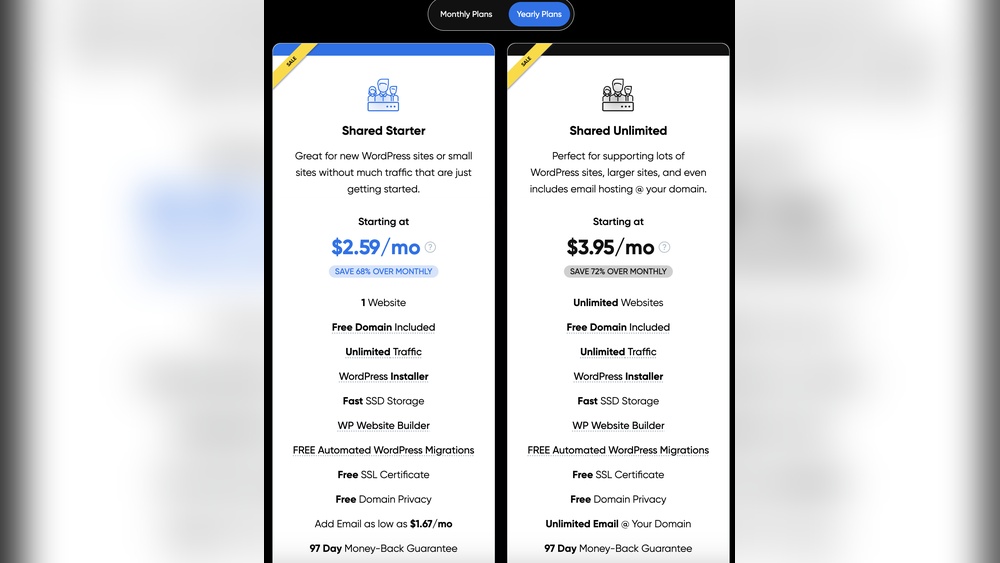
Are you wondering how much you should really pay for hosting and a domain? It’s easy to feel overwhelmed with all the prices and options out there.
But knowing the right cost can save you money and headaches down the road. You’ll discover what factors affect hosting and domain prices, and how to find the best deal for your needs. By the end, you’ll have the confidence to choose the perfect plan without overspending.
Let’s dive in and clear up the confusion once and for all.
Domain Pricing Basics
Understanding domain pricing basics helps you plan your website costs better. Domains are the addresses people type to find your site. The price you pay depends on several factors. Knowing these details helps avoid surprises during purchase or renewal. Let’s explore the key points about domain pricing.
Factors Influencing Domain Costs
Domain prices vary based on many things. Popular keywords in the domain name can raise the cost. Short, memorable names often cost more. The domain extension you choose also affects the price. Some extensions are rare or highly sought after. Registrars may offer discounts or charge extra fees. Special features like privacy protection may add to the cost.
Popular Domain Extensions And Their Prices
Common domain extensions include .com, .net, and .org. The .com extension usually costs between $10 and $15 per year. Extensions like .net and .org often have similar prices. Newer extensions such as .tech or .store can be cheaper or more expensive. Country-specific domains like .uk or .ca have their own pricing rules. Choose an extension that fits your brand and budget.
Renewal Vs. Registration Fees
Registration fee is the cost to buy a domain first time. Renewal fee is what you pay each year to keep it. Renewal prices can be higher than the initial registration. Some registrars offer low first-year prices to attract buyers. Always check renewal rates before purchasing a domain. Missing renewal payments can cause loss of the domain.
Hosting Pricing Essentials
Understanding hosting prices helps you choose the right plan for your website. Prices vary based on service type and features. Knowing what affects cost prevents surprises later. Let’s explore key factors that shape hosting prices.
Types Of Hosting Services
Shared hosting is the cheapest option. Many websites share one server. It works well for small sites.
VPS hosting offers more power. You get a virtual server with dedicated resources. It suits growing websites.
Dedicated hosting means you rent a whole server. It costs more but delivers top performance. Big sites often use this.
Cloud hosting uses many servers together. It adjusts resources based on your needs. Pricing depends on usage.
Pricing Models Explained
Most hosts use monthly or yearly billing. Yearly plans often come with discounts. Monthly plans offer flexibility.
Some providers charge based on bandwidth or storage. Pay-as-you-go models fit variable traffic better. Fixed pricing is easier to budget.
Introductory prices are low but rise after the first term. Check renewal rates before buying. Hidden fees can increase the final cost.
Extra Costs To Consider
Domain registration usually costs extra. Some hosts include a free domain for a year.
SSL certificates may be free or paid. Secure sites need SSL for trust and ranking.
Backups and security add to the price. Managed hosting often includes these services.
Technical support level may affect cost. Premium support usually comes with higher plans.
Comparing Domain And Hosting Costs
Comparing domain and hosting costs helps you decide the best option for your website. Both are essential but priced differently. Understanding their costs will save money and avoid surprises. Domains are your website’s address. Hosting is the space where your website lives online. Knowing the cost differences is key to planning your budget.
Bundled Vs. Separate Purchases
Many providers offer domain and hosting together as a bundle. Bundles often cost less at first. Buying separately might seem expensive but gives more control. Bundles can simplify setup and billing. Separate purchases let you switch providers easily. Choose based on your needs and how much control you want.
Hidden Fees And Add-ons
Some providers charge extra fees not shown upfront. These can include privacy protection, renewal fees, or SSL certificates. Add-ons increase the total cost significantly. Always check what is included in the price. Read the fine print to avoid surprises later. Clear pricing means no hidden charges for your domain or hosting.
Long-term Cost Implications
Initial costs are not the whole story. Renewal prices often rise after the first term. Hosting plans may charge for traffic, storage, or backups. Compare renewal fees before buying. Consider how your website might grow over time. Long-term costs affect your budget and website success.

Credit: www.siteground.com
Budgeting For Your Website
Budgeting for your website is an important step in creating a strong online presence. Knowing the costs helps you plan and avoid surprises. You need to think about both the start-up costs and the ongoing expenses. Careful budgeting keeps your website running smoothly over time.
Estimating Initial Setup Costs
Starting a website needs some upfront money. You pay for the domain name, which is your website’s address. Domain prices can vary from a few dollars to higher, depending on the name. Next, you need hosting, where your website files are stored. Hosting plans range from low-cost shared options to more expensive dedicated servers. Sometimes, you may want extra services like website design or security features. These add to the initial cost but improve your site’s quality.
Ongoing Maintenance Expenses
Websites need regular care. Hosting fees usually come every month or year. Renewing your domain name is an ongoing cost too. You might pay for website updates or software licenses. Security measures, such as SSL certificates, often require yearly payments. Keeping your website fast and safe needs time and money. Budget for these recurring costs to avoid downtime or problems.
Cost-saving Tips
Choose a domain name wisely to avoid high renewal fees. Pick hosting plans that fit your current needs, then upgrade later. Use free or low-cost website builders to reduce design expenses. Look for deals or discounts on hosting and domain services. Manage your website yourself to save on professional fees. Regularly review your expenses and cut what you don’t need.
Choosing The Right Provider
Choosing the right hosting domain provider matters a lot. The right choice affects your website’s speed, security, and uptime. It also impacts your budget and growth options. Take time to compare providers carefully. Not all offer the same value or support. Focus on clear pricing, helpful customer service, and the features you really need. This helps avoid surprises and extra costs later.
Evaluating Pricing Transparency
Clear pricing is key. Some providers hide fees in fine print. Look for simple plans with no hidden charges. Check if renewal rates are higher than the starting price. Understand what is included in each plan. Extra costs for domain registration, backups, or SSL certificates can add up. Transparent pricing saves money and stress.
Assessing Customer Support Value
Good support is essential, especially for beginners. Choose providers with 24/7 customer service. Quick and helpful responses solve problems faster. Check if support is available by phone, chat, or email. Read reviews about their support quality. Good support reduces downtime and keeps your site running smoothly.
Balancing Cost And Features
Low cost alone is not enough. Compare features like storage, bandwidth, and security tools. Some cheap plans limit your traffic or speed. Others may lack important features like backups or SSL. Find a plan that fits your budget and meets your needs. Balance cost with the quality and features you get.

Credit: www.cnet.com
Trends And Future Pricing
Domain hosting costs have changed a lot over the years. New trends shape prices and what users expect. It is important to watch these changes. They show what prices might look like soon.
Many factors affect domain prices. New domain types, market rivals, and future predictions all play a part. Understanding these points helps you choose the right domain without overspending.
Emerging Domain Extensions
New domain extensions appear regularly. These give more choices beyond .com, .net, or .org. Examples include .tech, .shop, and .online. They often cost less at first to attract users.
Some new extensions may become popular and rise in price. Others might stay affordable to keep users interested. Picking a new extension can save money now. But watch for price shifts later.
Impact Of Market Competition
Many companies sell domain hosting. This keeps prices competitive. More sellers often mean better deals for buyers. Promotions and discounts are common to attract customers.
Still, some popular domain names or extensions cost more. Sellers charge extra for high demand. Competition also pushes companies to add value, like free tools or support.
Predicted Price Changes
Experts expect some domain prices to rise slowly. Inflation and higher registration costs affect this. Premium domain names will likely get more expensive.
Standard domains may stay stable or get small increases. New extensions could see price drops to gain users. Watching price trends helps buyers plan their budgets well.

Credit: www.hostgator.com
Frequently Asked Questions
How Much Does Domain Hosting Typically Cost?
Domain hosting usually costs between $2 to $15 per month. Prices depend on features, provider, and support. Basic shared hosting is cheaper, while VPS or dedicated servers cost more. Always compare plans for the best value and reliability.
What Factors Affect Domain Hosting Prices?
Hosting prices vary due to server type, storage, bandwidth, and security features. Provider reputation and customer support quality also impact cost. Additional services like backups and SSL certificates can increase the price. Choose features that match your website needs to avoid overpaying.
Are Free Hosting Services Reliable For Domains?
Free hosting services offer limited resources and ads on your site. They may lack security, speed, and customer support. Free plans are good for testing or small projects but not recommended for professional websites needing stability and performance.
Can Domain Registration And Hosting Costs Be Combined?
Yes, many providers bundle domain registration and hosting in one package. Bundles often offer discounts and simplify management. However, separate services can offer more flexibility and better pricing. Evaluate your needs before deciding on bundled or separate purchases.
Conclusion
Choosing the right hosting domain cost depends on your needs. Basic plans suit small websites and budgets. More features usually mean higher prices. Check what each provider offers before deciding. Think about reliability, speed, and support too. A fair price balances quality and affordability.
Spend wisely to avoid future problems or extra fees. Your website’s success starts with smart choices. Keep costs clear and simple for peace of mind.


