
Imagine having full control over your business network with the flexibility to adapt instantly to any change. What if you could save time, cut costs, and boost your network’s performance all at once?
That’s exactly what Software Defined Networking (SDN) offers you. If you want your business to stay ahead of the competition and handle growing demands smoothly, understanding why you should use SDN is crucial. Keep reading to discover how this powerful technology can transform your network and give your business the edge it needs.

Credit: www.researchgate.net
Benefits Of Software Defined Networking
Software Defined Networking (SDN) offers many benefits for businesses. It changes the way networks are managed and controlled. This helps companies to be faster and more flexible. SDN also lowers costs and makes network management easier. These benefits help businesses stay competitive in a fast-changing market.
Below are some key advantages of using Software Defined Networking.
Enhanced Network Agility
SDN allows quick changes to network settings. Networks can adapt to new needs without physical work. This helps businesses respond faster to problems or new demands. It also supports new applications and services easily. Network agility reduces downtime and improves user experience.
Centralized Network Management
With SDN, network control is in one place. This central point simplifies managing all devices and traffic. IT teams can monitor and adjust networks from a single dashboard. This reduces errors and saves time. Centralized management improves security and helps enforce policies consistently.
Cost Reduction Opportunities
SDN lowers costs by using cheaper hardware. It reduces the need for manual work and physical upgrades. Automated network tasks save time and reduce staff expenses. Businesses spend less on maintenance and can plan budgets better. Cost savings make it easier to invest in other areas.
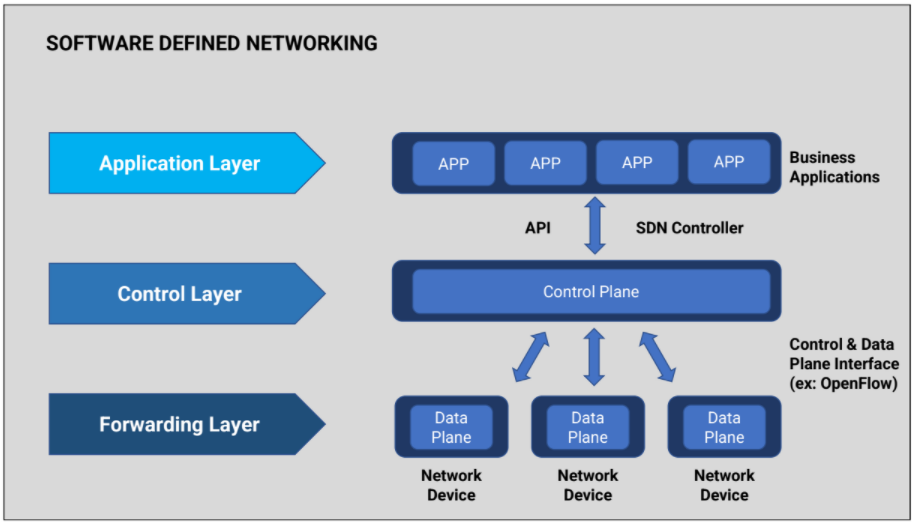
Credit: atmecs.com
Boosting Business Efficiency
Boosting business efficiency is key for any company aiming to grow and stay competitive. Software Defined Networking (SDN) helps businesses run smoother and faster. It simplifies network management and cuts down on manual tasks. This lets teams focus more on important work instead of fixing network problems.
With SDN, businesses can save time and reduce errors. It makes the whole network more flexible and ready to adapt. This helps companies respond quickly to changes and demands.
Automated Network Configuration
SDN automates many network setup tasks. This means less manual work for IT staff. Changes in the network happen fast and with fewer mistakes. Automation also reduces downtime. Networks stay stable and reliable without constant human checks.
Improved Resource Allocation
SDN allows better use of network resources. It directs traffic where it is needed most. This avoids bottlenecks and wasted capacity. Businesses get more from their existing hardware. Efficient resource use lowers costs and improves performance.
Faster Deployment Of Services
New services launch quickly with SDN. Network changes happen instantly through software control. This speeds up project delivery and updates. Businesses can meet customer needs faster. Quick deployment keeps companies ahead in a fast market.
Strengthening Network Security
Network security is a top priority for businesses today. Threats are always changing and getting smarter. Software Defined Networking (SDN) helps strengthen security by making the network more flexible and easier to control.
SDN allows quick response to threats and better protection of sensitive data. It helps create a safer environment for business operations.
Dynamic Threat Detection
SDN can detect threats in real time. It watches traffic across the network constantly. Suspicious activity triggers alerts immediately. This fast detection limits damage from attacks. The network can block harmful data before it spreads. This keeps systems and information safe.
Segmentation And Isolation
SDN divides the network into smaller parts. Each part can be controlled separately. This limits how far a threat can move. If one segment is attacked, others stay safe. Sensitive areas get extra protection. Segmentation helps stop attacks from spreading quickly.
Compliance And Policy Enforcement
SDN makes following rules easier. It applies security policies automatically across the network. This ensures all parts meet compliance standards. Businesses avoid fines and legal issues. Policies can change quickly to meet new rules. This keeps security strong and consistent.
Real-world Use Cases
Software Defined Networking (SDN) changes how businesses manage their networks. It offers more control and flexibility than traditional methods. Many companies use SDN in real situations to improve their operations. Here are some clear examples of how SDN helps in real life.
Cloud Integration
SDN makes connecting to cloud services easier and faster. It allows businesses to set up secure links to multiple cloud providers. This means data moves quickly and safely between local networks and the cloud. Companies can also adjust network settings on the fly to match cloud demand. This flexibility supports smooth cloud use without extra hardware costs.
Remote Workforce Support
Many employees now work from home or other places. SDN helps by creating secure and reliable connections for remote workers. It can prioritize important traffic, like video calls and file sharing. This keeps communication clear and fast. IT teams can also manage remote access easily and fix problems remotely. SDN makes remote work more productive and less stressful.
Data Center Optimization
Data centers are the heart of business networks. SDN helps organize and manage these centers better. It allows automatic adjustments to traffic flow and resource use. This means data centers run more efficiently and save energy. SDN also supports quick scaling when businesses grow. It reduces manual work and cuts down downtime for maintenance.
Choosing The Right Sdn Solution
Choosing the right Software Defined Networking (SDN) solution is vital for any business. The right choice affects network performance, security, and costs. It also impacts how easily your network grows and adapts. This section helps you understand what to look for in an SDN solution. It guides you through key features, vendor options, and the importance of scalability and flexibility.
Key Features To Consider
Focus on core features that improve network control and visibility. Look for centralized management tools that simplify operations. Automation capabilities reduce manual tasks and errors. Security features must protect your data and traffic. Compatibility with existing hardware and software is essential. Also, check for easy integration with cloud services.
Vendor Comparison
Compare vendors based on reliability and customer support. Evaluate their experience in your industry. Review customer feedback and case studies. Consider the cost of licenses and maintenance. Check for regular updates and security patches. A vendor with a strong reputation can save time and reduce risks.
Scalability And Flexibility
Choose a solution that grows with your business needs. It should handle more devices and traffic smoothly. Flexibility lets you adjust network policies quickly. Support for multiple environments, like on-premises and cloud, matters. The SDN solution must adapt to future technology changes. This ensures long-term value and reduces replacement costs.

Credit: www.hughes.com
Frequently Asked Questions
What Is Software Defined Networking (sdn)?
Software Defined Networking (SDN) separates network control from hardware. It allows centralized management and automation of network resources, improving efficiency and flexibility for businesses.
How Does Sdn Benefit Business Networks?
SDN enhances network agility, reduces costs, and simplifies management. It enables quick adaptation to changing demands and improves overall network performance and security.
Why Is Sdn Important For Business Scalability?
SDN allows easy network scaling without hardware changes. It supports rapid growth and dynamic resource allocation, ensuring businesses can expand smoothly and efficiently.
Can Sdn Improve Network Security?
Yes, SDN offers centralized control to enforce consistent security policies. It enables quick threat detection and response, reducing risks and enhancing business data protection.
Conclusion
Software Defined Networking helps businesses control their networks easily. It saves time and lowers costs by automating tasks. Networks become more flexible and can grow with the company. Security improves as policies apply quickly across devices. Teams can fix problems faster without waiting for hardware changes.
Choosing this technology means better management and smarter use of resources. It supports business growth and keeps operations smooth. A wise choice for companies wanting to stay efficient and secure.


