

Are you ready to start your own domain hosting company? Imagine having control over your online space and helping others build their websites.
It might seem complicated, but with the right steps, you can turn this idea into a successful business. You will discover exactly what you need to do to become a domain hosting provider. By the end, you’ll have a clear, simple plan to get started and grow your company.
Keep reading—you’re closer to making your dream a reality than you think.
Choosing Your Business Model
Choosing the right business model is a key step in starting a domain hosting company. This choice shapes your services, customers, and profits. It affects your daily operations and long-term growth. Understanding different models helps you pick the best path.
Reseller Vs. Independent Hosting
Reseller hosting means renting space from a larger company. You sell hosting services under your brand but do not manage servers. It needs less technical skill and lower startup costs. Independent hosting requires owning and managing servers. It needs more money and technical knowledge. You control all parts of the service. Each model suits different goals and skills.
Target Market Selection
Choosing who to serve is vital. Small businesses want easy, cheap hosting. Developers need flexible and powerful options. Bloggers look for simple plans with good support. Knowing your audience helps tailor your services. It guides marketing and pricing too. Focus on a niche to stand out and grow faster.
Pricing Strategies
Set prices that cover costs and attract clients. Compare competitors’ fees to find a fair range. Offer tiered plans with different features and prices. Discounts for yearly payments can boost cash flow. Clear pricing builds trust and reduces confusion. Keep prices simple and easy to understand.
Credit: www.openprovider.com
Setting Up Technical Infrastructure
Setting up the technical infrastructure is a key step to start a domain hosting company. This setup ensures your service runs smoothly and clients stay satisfied. It involves careful choices about hardware, data centers, and security. Each part plays a big role in your company’s success.
Selecting Reliable Servers
Choose servers that are fast and dependable. Your servers must handle many websites without slowing down. Look for options with strong processors and enough memory. Reliable servers reduce downtime and improve user experience. They keep your clients’ sites online and running well.
Data Center Options
Pick data centers that have good power and internet connections. The location matters for speed and legal reasons. Consider centers with backup power and cooling systems. These features protect your servers from failures and damage. Good data centers keep your hosting service stable and secure.
Ensuring Network Security
Protect your network from attacks and unauthorized access. Use firewalls and encryption to guard data. Regularly update your software to close security gaps. Monitor traffic to spot unusual activity early. Strong security builds trust and keeps client information safe.
Domain Registration Process
The domain registration process is a key part of starting a domain hosting company. It involves registering website names that users want to buy. Managing this process well helps your company grow and gain trust. Understanding the steps makes it easier to offer smooth services to customers.
Becoming An Icann Registrar
ICANN controls domain names worldwide. To become a registrar, apply to ICANN. You must meet their rules and pay fees. This allows you to sell domains directly to customers. Being an ICANN registrar gives you more control and better prices.
Partnering With Existing Registrars
Not ready to become an ICANN registrar? Partner with an existing registrar. This means you sell domains through their system. It costs less and is faster to start. You still manage customers but rely on the partner for technical tasks.
Managing Domain Transfers
Domain transfers happen when users move domains between registrars. Handling transfers quickly builds customer trust. Follow ICANN rules for transfer approval. Keep customers informed during the process. Good transfer management improves your company’s reputation.
Developing Your Website And Control Panel
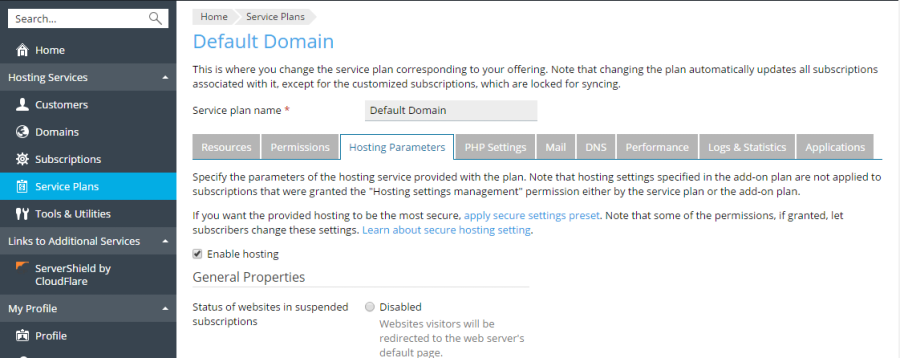
Developing your website and control panel is a key step in starting a domain hosting company. Your website is the face of your business. It must be clear and easy to use. The control panel lets customers manage their domains and hosting services. It should work smoothly and offer all needed features.
User-friendly Interface Design
Design your website and control panel with simplicity in mind. Use clear menus and buttons. Make navigation easy so users find what they need fast. Avoid clutter and use readable fonts. A clean design helps users trust your service. Test your interface on different devices like phones and tablets. A user-friendly design keeps customers happy and coming back.
Automating Account Management
Automate tasks like account creation, domain registration, and renewals. Use software to handle these processes without manual work. Automation saves time and reduces errors. Customers get instant access to their accounts and services. Set up automatic emails for payment reminders and support updates. Efficient automation improves customer satisfaction and business flow.
Integrating Payment Gateways
Connect popular payment gateways to your website. Offer multiple payment options like credit cards, PayPal, and bank transfers. Secure payment processing builds trust and protects customer data. Make the payment process simple and fast. Test payments regularly to avoid issues. Smooth payment integration increases sales and customer loyalty.
Implementing Customer Support
Implementing customer support is crucial for a domain hosting company. It builds trust and keeps clients happy. Good support helps solve problems fast. It makes customers feel valued and confident in your service.
Setting up strong support requires planning and tools. It must be easy for customers to reach help. Your team should know how to fix issues quickly. Clear and simple communication is key.
Support Channels Setup
Create multiple ways for customers to contact you. Use email, live chat, and phone support. Offer a ticket system for tracking issues. Make sure support is available during business hours. Quick replies improve customer satisfaction. Test each channel to ensure it works well.
Creating Knowledge Base
Build a simple, easy-to-use knowledge base. Include guides, FAQs, and troubleshooting tips. Use clear language and step-by-step instructions. Update content regularly to keep it accurate. This helps customers solve problems themselves. It reduces the load on your support team.
Handling Technical Issues
Train your team on common technical problems. Create a process for quick diagnosis and solutions. Keep communication clear and polite during support calls. Escalate difficult issues to experts fast. Use remote tools to help solve problems directly. Track issues to improve your service over time.
Credit: docs.plesk.com
Marketing And Growing Your Business
Marketing and growing your domain hosting company is essential for long-term success. It helps attract new clients and keeps current customers loyal. Effective marketing builds trust and makes your services stand out.
Focus on clear communication and consistent efforts. Small steps can lead to steady growth. Use various strategies to reach different audiences and grow your brand.
Building Brand Awareness
Create a strong and simple brand message. Use a memorable logo and consistent colors on all platforms. Share helpful content about domain hosting on blogs and social media. This shows your expertise and builds trust.
Participate in industry forums and groups. Answer questions and offer advice freely. This increases your brand’s visibility and credibility among potential clients.
Utilizing Online Advertising
Use online ads to reach more people quickly. Platforms like Google Ads and Facebook let you target specific groups. Choose keywords related to domain hosting for better results. Keep ads clear and focused on benefits.
Track your ad performance regularly. Adjust your budget and messages based on results. This helps get the best return on your investment.
Establishing Partnerships
Partner with web designers, developers, and IT companies. They can recommend your hosting services to their clients. Offer special deals or commissions to encourage referrals.
Attend local business events and tech meetups. Building personal connections can lead to new partnerships. Strong partnerships expand your reach and boost your reputation.
Legal And Financial Considerations
Starting a domain hosting company involves more than technical skills. Legal and financial steps are vital for success. These steps protect your business and ensure smooth operations. Understanding the basics helps you avoid common pitfalls and fines.
Registering Your Business
Choose a business name that fits your brand. Check if the name is available in your area. Register your company with local authorities. This makes your business official and legal. Decide on the business structure: sole proprietorship, partnership, or corporation. Each type has different rules and benefits. Obtain any necessary licenses or permits. This depends on your location and services.
Understanding Regulations
Domain hosting has specific legal rules. Learn about data protection and privacy laws. These laws protect your customers’ information. Follow industry standards for security and service. Know the rules for handling customer complaints. Stay updated on changes in internet regulations. Compliance builds trust with your clients and partners.
Managing Taxes And Accounting
Set up a separate business bank account. Track all income and expenses carefully. Understand your tax obligations at local and national levels. File taxes on time to avoid penalties. Use accounting software or hire an accountant. Keep clear records to monitor your financial health. Proper money management helps your business grow steadily.
Credit: www.namecheap.com
Frequently Asked Questions
What Are The First Steps To Start A Domain Hosting Company?
Begin by researching the market and identifying your target audience. Register your business and choose reliable server infrastructure. Secure domain registrar accreditation and develop a user-friendly website to offer hosting services. Plan your pricing and marketing strategies carefully.
How Much Investment Is Required To Start Domain Hosting?
Starting costs vary but generally include server setup, software licenses, and marketing expenses. Initial investment can range from $5,000 to $50,000 depending on scale. Budget for ongoing maintenance, customer support, and domain registrar fees.
Which Technical Skills Are Needed For Domain Hosting Business?
You need knowledge in server management, DNS, and networking fundamentals. Familiarity with Linux/Windows servers, control panels, and security protocols is crucial. Understanding billing software and customer support tools also helps manage operations efficiently.
How To Choose The Best Hosting Servers For My Company?
Select servers based on reliability, speed, and scalability. Consider data center locations close to your target market. Opt for providers with strong uptime guarantees and robust security measures to ensure customer satisfaction.
Conclusion
Starting a domain hosting company takes clear steps and effort. Choose reliable technology and offer good customer support. Keep learning about the market and customer needs. Stay organized and manage your business carefully. Success comes from patience and consistent hard work.
You can build a strong company by following these tips. The web hosting world awaits your service. Take the first step today.


