
Are you wondering how much to charge for domain hosting and email services? Setting the right price can be tricky.
Charge too little, and you risk losing money. Charge too much, and potential clients might walk away. You want a clear, fair price that matches the value you provide. You’ll discover simple ways to decide what to charge—so you can attract customers, cover your costs, and grow your business with confidence.
Keep reading to unlock smart pricing tips that work.
Credit: marketerhire.com
Factors Influencing Domain Hosting Prices
Understanding the factors that influence domain hosting prices helps you set fair charges. Hosting costs vary based on several key elements. These elements affect service quality and overall expenses. Knowing them guides you in pricing domain hosting and email services properly.
Domain Name Extensions
Different domain extensions carry different costs. Common ones like .com or .net are usually cheaper. Newer or specialized extensions like .tech or .store often cost more. Pricing depends on demand and registration fees from domain registries. Choose extensions carefully to match your client’s needs and budget.
Server Types And Performance
Hosting prices depend on the server type you provide. Shared hosting is the most affordable but offers limited resources. VPS or dedicated servers cost more but deliver better speed and reliability. Faster, more stable servers require higher fees. Consider your target users’ needs when selecting server types.
Security Features
Security adds value and cost to hosting packages. Features like SSL certificates, firewalls, and daily backups raise prices. Strong security protects websites and email from threats. Including these features can justify higher charges. Clients often prefer secure hosting to protect their data.
Customer Support Levels
Support quality influences hosting prices significantly. Basic email support costs less than 24/7 phone or chat support. Faster response times and expert help demand higher fees. Good support increases client satisfaction and retention. Adjust your pricing to reflect the level of assistance you offer.

Credit: revenue-hub.com
Email Hosting Pricing Elements
Understanding email hosting pricing helps you decide the right plan for your needs. Pricing depends on various features that affect how much you pay. Each element plays a role in the overall cost.
Choosing a plan with the right features can save money and improve productivity. Here are key pricing elements to consider for email hosting.
Mailbox Size And Limits
Mailbox size affects the price directly. Larger mailboxes cost more because they use more storage. Limits on sent and received emails also matter. Some plans restrict the number of messages per day. These limits can impact businesses with heavy email use.
Spam And Malware Protection
Strong spam and malware protection increases hosting costs. Providers use filters to block unwanted emails and threats. Without good protection, users risk virus infections and phishing scams. Basic plans may have limited security features. Higher-priced plans offer advanced threat detection and filtering.
Collaboration Tools
Collaboration tools add value to email hosting. Features like shared calendars, contacts, and task management help teams work better. Some providers include chat and video conferencing. These tools raise the price but improve teamwork. Simple email plans might lack these extras.
Storage And Backup Options
Storage capacity affects pricing beyond mailbox size. Some plans offer extra cloud storage for files and archives. Backup options protect data from accidental loss. Regular backups may cost more but ensure safety. Plans without backup risk losing important emails and documents.
Common Pricing Models
Choosing how much to charge for domain hosting and email depends on the pricing model. Pricing models help businesses decide the best way to offer services. They also make it clear for customers how they pay. Understanding common pricing models helps set the right price for your services.
Flat Rate Pricing
Flat rate pricing charges one fixed fee for services. Customers pay the same amount each month or year. This model is simple and easy to understand. It works well for basic hosting and email packages. Many small businesses prefer flat rate pricing for budgeting.
Tiered Pricing Plans
Tiered pricing offers different levels of service at set prices. Each tier includes more features and resources. Customers choose a plan that fits their needs and budget. This model suits businesses with varying needs. It allows flexibility and clear options for buyers.
Pay-as-you-go Options
Pay-as-you-go lets customers pay only for what they use. It is based on actual usage of hosting space or email accounts. This model is fair and cost-effective for some users. It avoids paying for unused services. Pay-as-you-go suits businesses with changing or low demand.
Bundled Services
Bundled services combine domain hosting and email in one package. This often comes at a discounted price. Bundles offer convenience and savings for customers. It helps businesses sell more services together. Many providers use bundles to attract and keep clients.
Competitive Pricing Benchmarks
Setting the right price for domain hosting and email services can be challenging. Competitive pricing benchmarks help you find a fair price. These benchmarks show what others charge and what customers expect. Understanding these benchmarks helps you stay competitive and attract clients. Here are key points to consider.
Industry Standards
Most hosting companies charge between $5 and $15 per month for domain hosting. Email services often cost an extra $2 to $10 monthly. Prices depend on storage space, support, and added features. Standard packages usually include basic security and uptime guarantees. Offering clear and simple pricing builds trust with customers.
Popular Hosting Providers
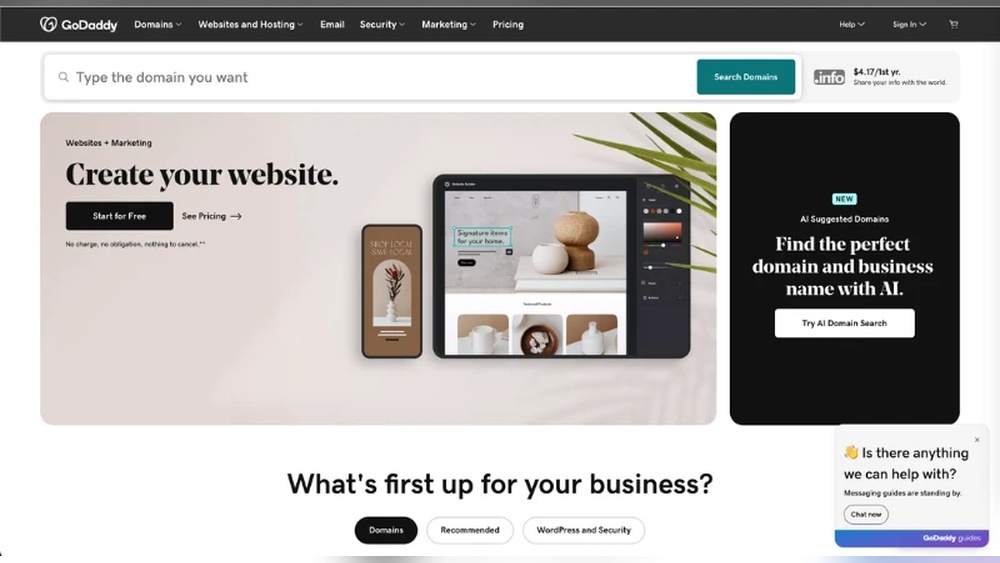
Top providers like Bluehost, GoDaddy, and SiteGround set common price levels. Bluehost charges around $12 monthly for domain hosting with basic email. GoDaddy offers domain hosting starting at $7, plus email plans from $3 per month. SiteGround combines hosting and email in plans near $15 monthly. Checking these providers helps you understand what clients expect to pay.
Market Trends
Prices have slightly decreased due to more competition. Many providers now include free email accounts with hosting. Bundled services attract customers and reduce their costs. More companies offer flexible payment plans and discounts for longer terms. Staying updated on these trends helps you price your services smartly and fairly.
Strategies To Set Your Prices
Setting the right price for domain hosting and email services requires clear strategies. These strategies help balance your costs and customer expectations. Pricing well can attract more clients and keep your business profitable.
Cost-plus Pricing
Cost-plus pricing means adding a fixed profit margin to your expenses. First, calculate all costs involved in providing hosting and email. Include server fees, maintenance, and support. Then, add a percentage for your profit. This method ensures you cover costs and earn steadily. It is simple and reliable for new businesses.
Value-based Pricing
Value-based pricing focuses on the benefits your customers get. Think about how much your service improves their business. Set prices based on this value, not just your costs. This approach can earn you more from customers who need premium features. It requires understanding your clients’ needs well. Value pricing helps build long-term relationships.
Discounts And Promotions
Offering discounts and promotions can attract new customers quickly. Use limited-time deals to create urgency. Offer lower prices for the first few months or bundle services together. This strategy can increase sign-ups and encourage upgrades. Be careful not to reduce prices too much. Keep discounts balanced to maintain profits and value.

Credit: www.namecheap.com
Extras That Affect Pricing
Extras can change the price of domain hosting and email services. These add-ons improve security, privacy, and support. They make your website safer and easier to manage. Knowing these extras helps you decide what to pay for.
Ssl Certificates
SSL certificates protect your website data. They encrypt information between your site and visitors. Many hosting plans include basic SSL for free. Premium SSL offers stronger security and trust badges. This extra can raise your hosting cost by a few dollars each month.
Domain Privacy Protection
Domain privacy hides your personal contact details. Without it, your info shows in public databases. Privacy protection stops spam and unwanted calls. It is usually a small yearly fee. This extra is important for anyone who values privacy online.
Technical Support Upgrades
Basic support often comes with hosting plans. Upgraded support offers faster help and more services. You might get phone support or 24/7 assistance. This upgrade costs extra but saves time and stress. Good support matters when you face technical problems.
Tips To Communicate Pricing Clearly
Clear pricing helps build trust with your customers. It reduces confusion and avoids conflicts. Simple, honest communication about costs improves customer satisfaction. Follow these tips to explain your domain hosting and email charges well.
Transparent Billing
Show all costs upfront. List every fee related to domain hosting and email. Avoid hidden charges or surprise costs. Use simple language to describe what each fee covers. Make invoices easy to read and understand.
Highlighting Value
Explain what customers get for their money. Talk about benefits like uptime, security, and support. Show how your service solves their problems. Connect pricing to real value customers receive.
Managing Customer Expectations
Set clear limits on what pricing includes. Tell customers about extra charges for add-ons or upgrades. Prepare them for price changes over time. Help customers plan their budget with accurate information.
Frequently Asked Questions
How Much Does Domain Hosting Typically Cost?
Domain hosting usually costs between $10 and $50 per year. Prices vary based on features, provider, and domain extension.
What Factors Affect Email Hosting Prices?
Email hosting prices depend on storage, security, number of users, and included features like spam protection.
Can I Bundle Domain And Email Hosting Costs?
Yes, many providers offer bundles that combine domain and email hosting at discounted rates.
Is Free Email Hosting Reliable For Businesses?
Free email hosting may lack security and features needed for business use. Paid plans offer better support and reliability.
Conclusion
Setting the right price for domain hosting and email is important. Consider your costs and what competitors charge. Balance affordability with quality service. Keep your customers’ needs in mind. Clear pricing builds trust and loyalty. Review your rates regularly to stay fair.
Simple, honest pricing helps your business grow. Choose a price that fits your goals and market. This approach leads to satisfied customers and steady income.


