
Imagine a digital landscape where you have complete control over your online presence, and your interactions are more secure and private than ever before. Welcome to the world of Web 3.
As you explore this exciting frontier, you might wonder whether a Web 3 website needs hosting like the traditional ones. This question isn’t just about technical requirements; it’s about understanding the future of the internet and how it impacts you.
You’ve probably heard about Web 3’s promise to decentralize the web, giving you more power and ownership. But does this mean saying goodbye to hosting services? Or is there more to the story? You’ll discover the fascinating relationship between Web 3 and hosting, and how it affects your online strategy. By the end, you’ll have a clearer picture of how to navigate this new era with confidence. So, let’s dive in and unravel the mysteries of Web 3 hosting together!
Credit: www.liquidweb.com
Web 3.0 Technology Basics
Decentralization means no central boss. Everyone can be part of the system. It’s like a neighborhood with no leader. Web 3 uses this idea. This makes it safe and fair. No one person controls it. So, people can trust it more.
Blockchain is a chain of blocks. Each block holds data. It’s like a notebook that all can see. Smart contracts run on blockchain. They work like a robot lawyer. They make sure deals happen right. No need for middlemen. This saves time and money.
Semantic Web helps computers understand words. It makes web smarter. Computers can give better answers. User interaction gets better too. People find what they want faster. This is good for everyone.
Traditional Web Hosting
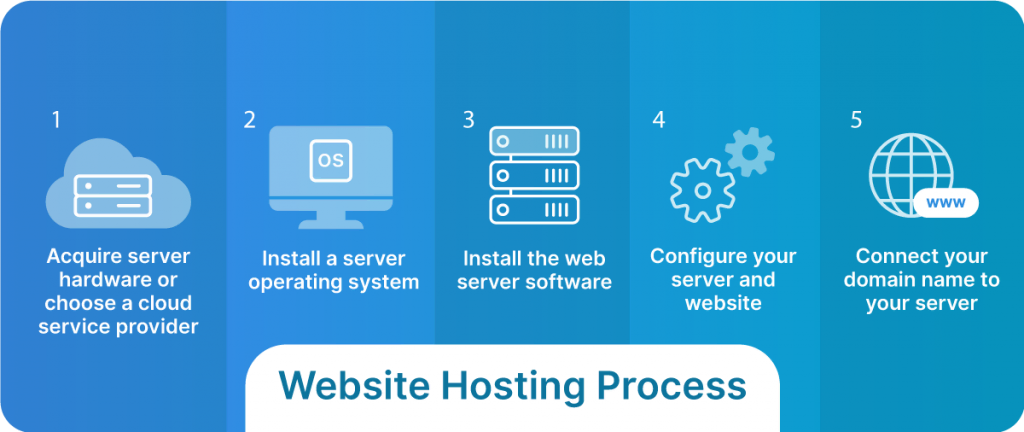
Web hosting comes in different forms. Shared hosting is the most common. It is cheap and suitable for small sites. VPS hosting offers more control. It is a middle ground between shared and dedicated hosting. Dedicated hosting provides a whole server for one site. It is best for big websites with high traffic.
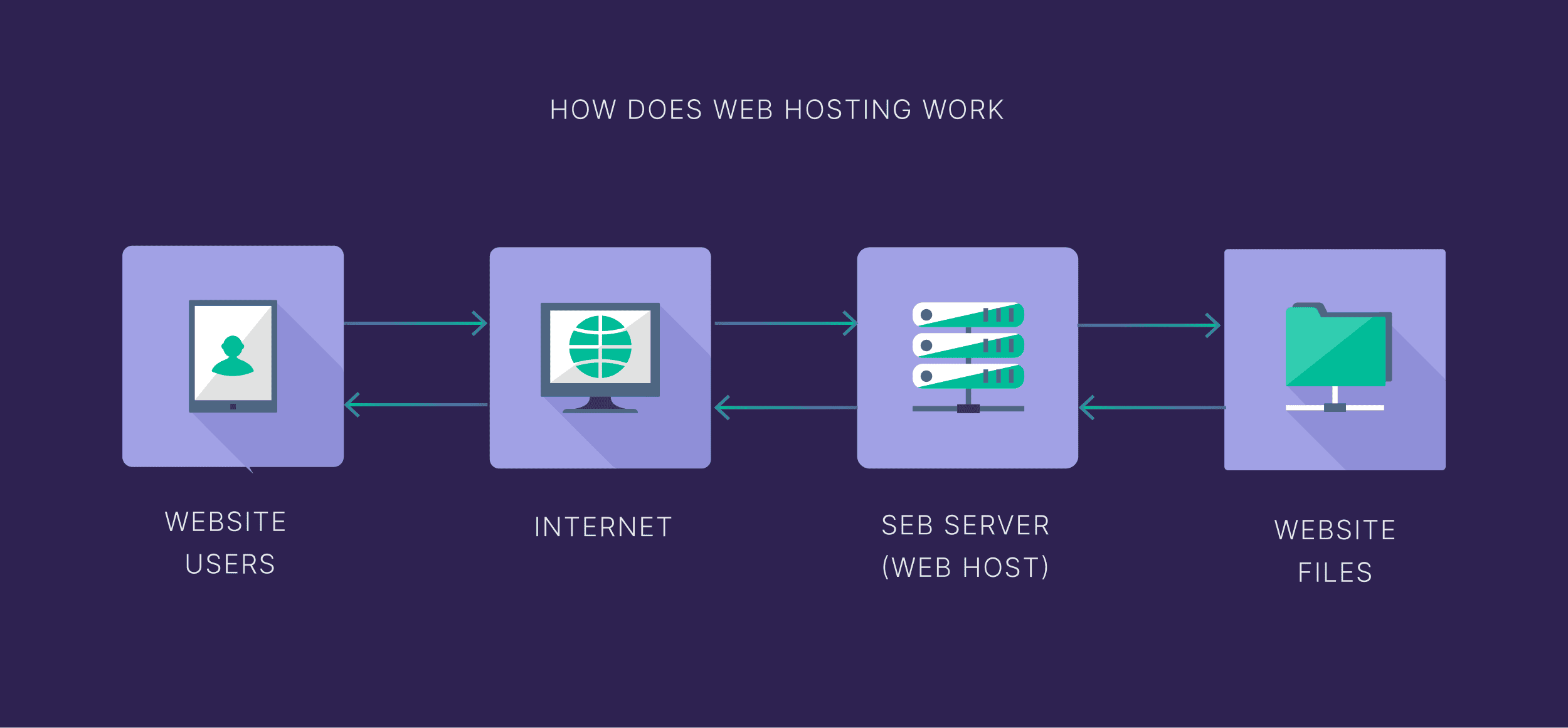
Centralized servers store all website data in one place. They are managed by hosting providers. If the server fails, the website can go offline. Reliability depends on these servers’ health.
Hosting providers offer space for websites. They maintain servers and ensure sites stay online. They provide technical support and security. Choosing the right provider is important. It affects site performance and safety.
Web 3.0 Hosting Alternatives
Web 3.0 websites can use decentralized hosting. This type of hosting is different. It doesn’t rely on a single server. Instead, it uses many servers all over the world. This makes websites more secure. It also makes them less likely to go offline. Many websites can use this type of hosting.
Ipfs And File Storage
IPFS helps store files safely. It splits files into smaller parts. These parts are stored on different computers. This makes it harder for files to get lost. It also makes it easier to share files. People can access these files from anywhere. This system is very useful for Web 3.0 websites.
Peer-to-peer Networks
Peer-to-peer networks connect many computers. Each computer shares data with others. This makes the network strong. It also makes it reliable. These networks help websites stay online. They also help websites load quickly. Websites can use these networks to host their data. This keeps their data safe.
Benefits Of Decentralized Hosting
Decentralized hosting makes websites safer. There is no single point to attack. Hackers find it harder to break in. Data is spread across many nodes. This makes it very secure. Users can feel safe with their data online.
Lower costs are a big advantage. Traditional hosting can be expensive. Decentralized options often cost less. You pay only for what you use. This means savings for website owners. Small businesses can benefit a lot.
High uptime is crucial for websites. If one node fails, others keep working. This keeps the site online. Users enjoy a smooth experience. No more downtime worries. Reliable hosting is essential for trust.
Challenges And Considerations
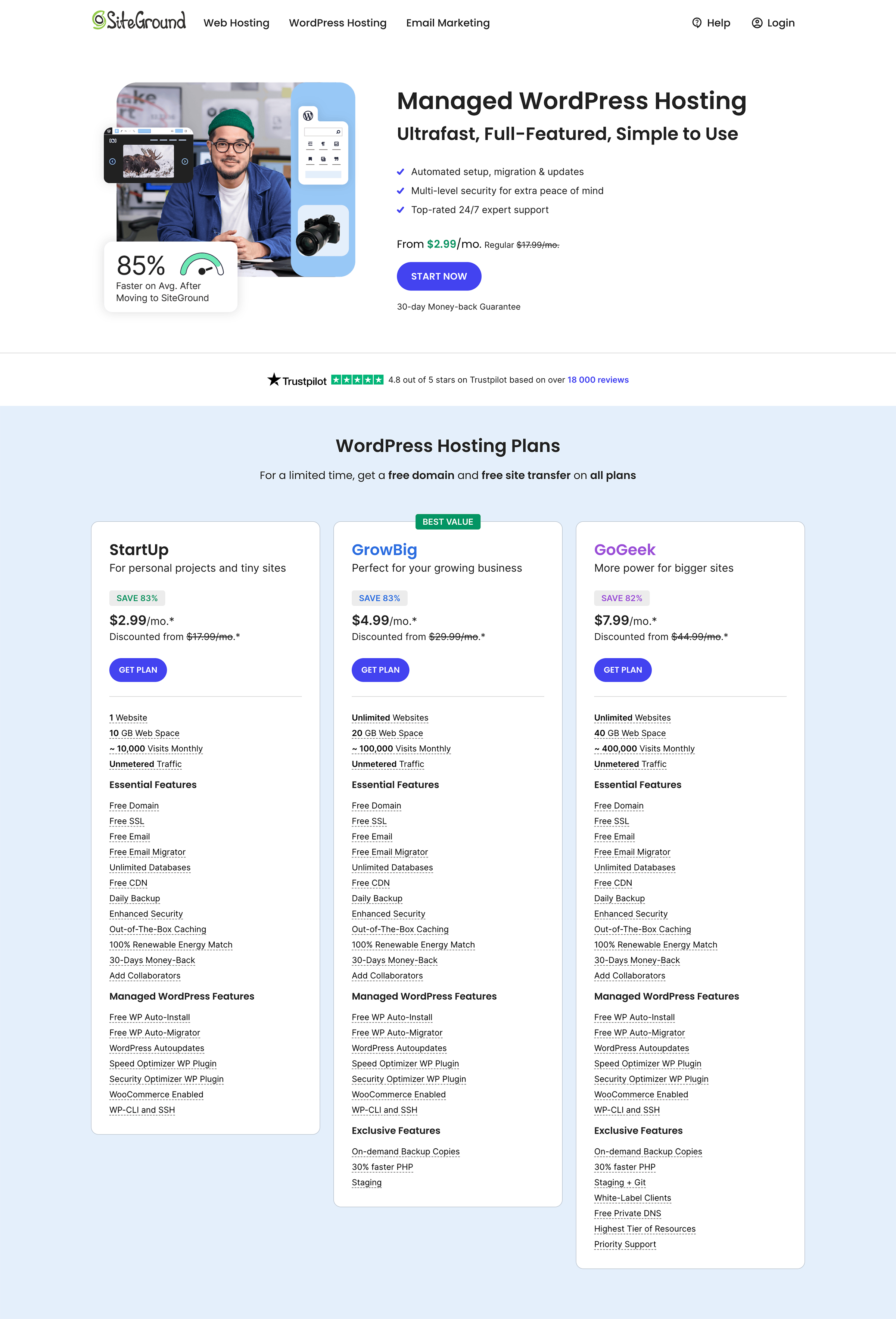
Web 3 sites may face scalability challenges. Handling many users is hard. The tech needs to grow with demand. Big apps need more resources. Traditional hosting can’t always help. Costs can also go up fast. This impacts smaller projects.
Data privacy is vital. Users need to trust the site. Web 3 promises more control. Yet, risks remain. Hacking is still a danger. Protecting personal data is tough. Laws around data are strict. These rules must be followed.
User adoption is key for success. Many find Web 3 confusing. New tools can be hard to learn. People like easy sites. Web 3 must be simple. Making it friendly helps. Education is also important. Users need guidance to adapt.
Credit: 17thavenuedesigns.com
Future Of Web Hosting
New tech changes web hosting. Blockchain and decentralized systems lead the way. These systems make data safer. Web 3 uses these tools a lot. This means more security for users. People worry less about hackers. Web 3 can store data in many places. This keeps it safe. Hosting will become more flexible.
Developers will face new challenges. Learning new tech is essential. Blockchain knowledge is vital. Making apps that work everywhere is key. Decentralized apps need special skills. Developers must adapt fast. Web 3 skills will be in demand. Keeping up with trends is crucial. Everyone must stay informed.
Users want faster and safer websites. Web 3 promises this. Users expect control over their data. They like privacy and security. Websites must load quickly. Users dislike waiting. Decentralization helps meet these needs. The internet will change with Web 3. Users will love the changes.
Credit: backlinko.com
Frequently Asked Questions
How To Host A Web3 Website?
To host a Web3 website, use decentralized platforms like IPFS or Filecoin. Purchase a blockchain domain from providers such as ENS or Unstoppable Domains. Deploy your website using a compatible Web3 hosting service. Ensure your content is accessible via blockchain browsers like MetaMask or Brave.
Can I Run A Website Without Hosting?
Running a website without hosting is impossible. Websites require hosting to store files and make them accessible online. You can explore free hosting options, but paid hosting provides better reliability and performance. Hosting ensures your website is live and reachable to users worldwide.
Does Web3 Need Servers?
Web3 operates on decentralized networks, often using blockchain technology. It relies less on traditional servers. Nodes and distributed networks replace the need for centralized servers. This ensures greater security and transparency. Decentralization empowers users and reduces server dependency, making Web3 unique.
Do I Really Need A Host For My Website?
Yes, a web host is essential for your website. It stores your site’s files and makes it accessible online. Without hosting, your site won’t appear on the internet. Choose a reliable host to ensure good performance and security. Hosting services vary, so select one that suits your needs and budget.
Conclusion
Web 3 websites bring exciting changes. Hosting is still crucial. They operate on decentralized networks. Yet, they need servers for some functions. Security and speed remain important. Hosting ensures these elements work smoothly. Choosing the right hosting provider matters. It impacts website performance.
Users expect fast and secure experiences. Reliable hosting supports this. As Web 3 evolves, hosting adapts too. It remains a foundational need. Understanding its role helps in making informed decisions. Embrace the new era while ensuring strong hosting support. This balance leads to successful Web 3 experiences.


