
Choosing the right web hosting can feel like navigating a maze. You might be asking, “Which web hosting should I use?”
This decision is crucial because the right hosting can enhance your website’s performance, security, and reliability. With countless options available, it’s easy to feel overwhelmed. You want your site to load quickly, stay secure, and handle traffic seamlessly. Imagine the peace of mind that comes with knowing your website is in good hands.
We’ll simplify the process and guide you through the essential factors to consider. By the end, you’ll know exactly what to look for and which hosting service will best meet your needs. Stay with us to make a confident choice that supports your online goals.
Types Of Web Hosting
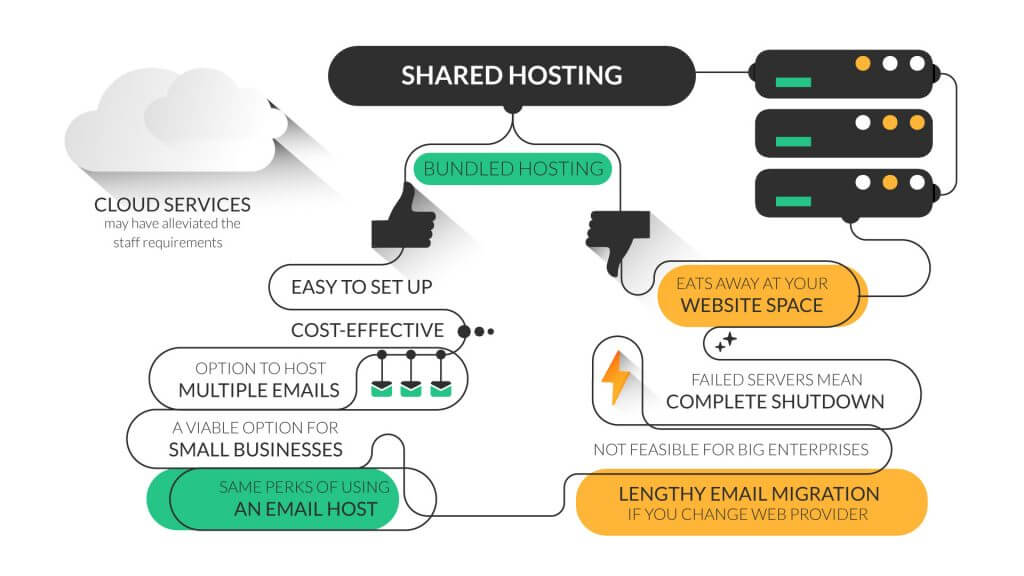
Shared hosting is like sharing a room. You share space with others. This is the cheapest option. Good for small websites. But, it might be slow if many people visit. It’s a great start for beginners. Easy to set up and manage. Costs less money.
VPS hosting gives more control. It’s like renting an apartment. You still share a building but have your own space. More resources than shared hosting. Good for medium-sized websites. Costlier than shared hosting. Offers better performance and flexibility.
Dedicated hosting is your own house on the web. Full control and lots of resources. Best for big websites with heavy traffic. It is the most expensive option. Offers high performance and security. Needs more technical knowledge to manage.
Cloud hosting uses many servers. It’s like living in a large city. Resources grow with your needs. Great for growing websites. Good if you need scalability. It offers reliability. Costs can vary based on usage. Suitable for various sizes of websites.
Managed hosting is like having a care-taker. Someone else manages the technical stuff. You focus on your website. Ideal for businesses without tech teams. Offers support and maintenance. Usually more expensive. Good for those needing expert help.

Credit: www.bluehost.com
Key Factors To Consider
Fast websites make visitors happy. Slow loading pages can lose users. Always check the host’s speed. High speed servers are best. Performance affects user experience. Many hosts offer speed tests. Choose hosts with good reviews on speed.
Protecting your site is crucial. SSL certificates keep data safe. Look for hosts with firewalls. Strong security stops hacks. Backup options are important. Restore data quickly after attacks. Security features should be strong.
Websites grow over time. Choose a host that can grow too. Scalable hosting adapts to needs. Extra space and bandwidth are key. Some hosts offer easy upgrades. Plan for future growth.
Good support solves problems fast. 24/7 support is ideal. Check if support is friendly. Hosts with chat support are helpful. Phone support is a bonus. Customer service matters a lot.
Budget is important. Compare hosting plans. Some hosts offer cheap plans. Others are expensive. Hidden costs can surprise you. Always read the fine print. Look for value, not just low prices.
Best Hosting For Beginners
Choosing a web host can be tricky. Easy-to-use hosts are the best for beginners. User-friendly dashboards make tasks simple. Setting up a website should not be hard. Look for hosting with clear instructions. Simple interfaces help you learn quickly.
Starting a website should not break the bank. Affordable plans are vital for newcomers. Many hosts offer low-cost packages. These plans suit small budgets. Cheap options let you try without spending much. Look for hosts with good value.
Problems happen. Reliable support helps fix them fast. Hosts with 24/7 support are best. Quick help matters when things go wrong. Choose hosts with friendly staff. They guide you well when you need it. Good support makes hosting easier.
Hosting For Small Businesses
E-commerce needs special tools. A good host offers these. Shopping carts are important. They help customers buy items. Payment gateways are needed too. They allow safe payments. Look for hosts with these tools.
Websites should be available always. Uptime guarantees are promises. Hosts promise your site works 99% of the time. This is important. Downtime can lose business. Check for hosts with high uptime promises.
Data can be lost. Backups are safety nets. Good hosts offer regular backups. They save copies of your site. If something breaks, you can restore it. Choose hosts with reliable backup options.
Hosting For Developers
Developers need flexible hosting. They want to change settings easily. Adding custom scripts is important. Hosting should allow personal tweaks. This makes projects unique. Developers look for control over their environment. Custom dashboards help manage these settings.
Hosting with advanced tools is a must. Developers use debugging tools often. Code editors should be part of hosting. Integrated development environments (IDEs) make work easier. Version control is key. These tools help in smooth development. Developers need them for better workflow.
Resource access is crucial. Server resources should be ample. High bandwidth is needed for fast performance. Storage space must be enough for large projects. Access to databases is vital. Developers require libraries and frameworks. These resources support project development.
Comparing Popular Hosting Providers
Provider A offers affordable plans. It is suitable for small websites. Many users appreciate its easy setup. Support is available 24/7. Some plans include a free domain. This provider is known for reliability and good uptime. It’s a good choice for beginners.
Provider B is known for speed and performance. It is best for larger sites. Users can enjoy fast loading times. Customer support is helpful. Some plans offer unlimited bandwidth. It is a bit more expensive. But, quality service is guaranteed.
Provider C focuses on security. It’s ideal for online stores. Users get SSL certificates for free. Backups are automatic. This provider is great for e-commerce websites. Some plans include malware protection. Many choose it for data safety.
Future Trends In Web Hosting
Green hosting is about saving the earth. It uses renewable energy to run servers. This helps in reducing the carbon footprint. Many companies now choose green hosting. It is good for the planet. It also saves money on energy. This trend is growing fast.
AI integration makes web hosting smart. AI can manage server loads. It fixes problems quickly. AI also improves security. It keeps data safe. This trend makes hosting better. Faster and safer.
Edge computing brings data closer. It reduces latency. This means faster websites. It helps users in remote areas. Data processes at the edge of networks. This trend is important. It makes web hosting efficient.
Credit: www.hostpapa.com

Credit: www.hostafrica.com
Frequently Asked Questions
Which Hosting Option Should You Use?
Choose a hosting option based on your needs. Shared hosting suits beginners and small websites. For more traffic, opt for VPS hosting. Dedicated servers offer maximum resources for large sites. Consider managed hosting for ease of use. Evaluate your budget and technical skills before deciding.
What Are The 3 Types Of Web Hosting?
The three types of web hosting are shared hosting, VPS hosting, and dedicated hosting. Shared hosting is cost-effective and suitable for beginners. VPS hosting offers more resources and flexibility. Dedicated hosting provides maximum control and performance for large websites.
Which Web Hosting Plan Is Best?
Choose a web hosting plan based on your site’s needs. Shared hosting suits small sites with low traffic. VPS offers more resources for growing websites. Dedicated hosting provides maximum control and performance for large sites. Consider factors like budget, scalability, and technical support before deciding.
Which Hosting Is Best For Beginners?
Beginners often find Bluehost ideal for hosting. It offers user-friendly interfaces, great support, and affordable pricing. WordPress integration is seamless, and setup is quick. The platform provides reliable uptime and security features, making it a popular choice for new website owners.
Bluehost’s comprehensive packages simplify the web hosting process for novices.
Conclusion
Choosing the right web hosting is crucial for your website’s success. Consider your needs, budget, and technical skills. Shared hosting suits beginners with low traffic. For more control, VPS hosting is a great option. Dedicated hosting offers maximum resources and security.
Cloud hosting provides flexibility and scalability. Each option has its pros and cons. Research and compare features before deciding. Remember, reliable support and uptime are key factors. Make an informed choice to ensure your website runs smoothly and efficiently. Keep your goals in mind, and select a host that aligns with them.


