
Are you wondering why you should pay for web hosting when there are so many free options available? The answer goes beyond just having a website up and running.
It’s about ensuring your online presence is reliable, secure, and professional. Paying for web hosting can be the difference between a site that thrives and one that struggles. Imagine visiting a website that takes forever to load or isn’t accessible half the time.
Frustrating, right? By investing in quality web hosting, you ensure that your website provides a seamless experience for your visitors. This can lead to more engagement, higher trust, and ultimately, more success for your online endeavors. Keep reading to discover why paid web hosting is a smart choice for anyone serious about their website.
What Is Web Hosting
Web hosting is like renting space on the internet. Websites need a home to live and show their content. Hosting providers offer this space on servers. Servers are powerful computers that store website files. When someone visits a website, the server sends the files to their browser. This makes the website visible online.
Web hosting is essential for any website to exist. Without it, a site cannot be accessed by visitors. Different hosting types exist, such as shared or dedicated hosting. Shared hosting means many sites use the same server. Dedicated hosting means one site uses the entire server. Each type has its own benefits and costs.
Choosing the right hosting depends on the website’s needs. Some sites need more space and speed. Others work fine with basic hosting. Paying for hosting ensures reliable service and support. Free hosting may lack these features. Always check what each hosting plan offers before buying.

Credit: www.cnet.com
Types Of Web Hosting Services
Shared hosting is like sharing a room. Many websites use the same server. It’s a budget-friendly choice. But, performance might slow down with traffic spikes. Perfect for small sites or blogs. Limited resources are shared by all users. Easy to manage with control panels. It’s an entry-level service for beginners.
Dedicated hosting means a whole server for your site. No sharing with others. It offers high performance and control. Ideal for big websites with heavy traffic. More expensive than shared hosting. You manage the entire server. Requires technical skills to operate. Provides more security and reliability.
VPS hosting is a step up from shared hosting. It stands for Virtual Private Server. Offers a private space on a shared server. Better performance and control than shared hosting. Good for growing websites. Costs more than shared hosting. Less expensive than dedicated hosting. You can customize settings as needed.
Cloud hosting uses many servers. Your website can grow with demand. It offers flexibility and reliability. Suitable for sites with unpredictable traffic. Costs vary based on usage. Offers high scalability for expanding needs. Downtime is less likely due to multiple servers. It’s a modern choice for dynamic websites.
Benefits Of Paid Web Hosting
Paid web hosting offers reliable service for your website. Websites stay online more often. This means less downtime and more visitors. Free hosting can lead to frequent outages. Paid hosting services often promise a 99.9% uptime. This is crucial for businesses and personal sites. A reliable website builds trust with visitors. Reliable sites attract more users. More visitors mean more success.
Paid web hosting provides strong security measures. Your data stays safe from hackers. Free hosting lacks many security features. Paid services often include firewalls and regular backups. These keep your website secure. Security is important for all sites. Paid hosting protects sensitive information. Protecting data builds user trust.
Paid hosting includes technical support. Experts help fix issues quickly. Free hosting has limited support options. Paid services offer support through phone, chat, or email. They resolve problems fast. Technical support helps keep your site running smoothly. Quick help means less stress. This service is vital for non-tech users.
Paid hosting allows more customization. You can design your site freely. Free hosting restricts changes. Paid services offer various themes and plugins. These tools help make your site unique. Customization enhances user experience. A unique site attracts more visitors. Custom options let you stand out online.
Risks Of Free Web Hosting
Free web hosting gives you very limited space and bandwidth. Your site might be slow or even crash. You can’t have many visitors at the same time. This can be frustrating. Paid hosting gives you more resources.
Free hosting often has weak security. Your site is at risk of getting hacked. Personal data can be stolen. Paid hosting offers better security measures. It keeps your site and data safe.
Free hosts put ads on your site. They make money from these ads. You have no control over them. Your visitors might find these ads annoying. It makes your site look unprofessional.
Free hosting limits the features you can use. You might miss important tools. These tools help you build a better site. Paid hosting offers many features. It helps you grow your site easily.
Cost Factors In Web Hosting
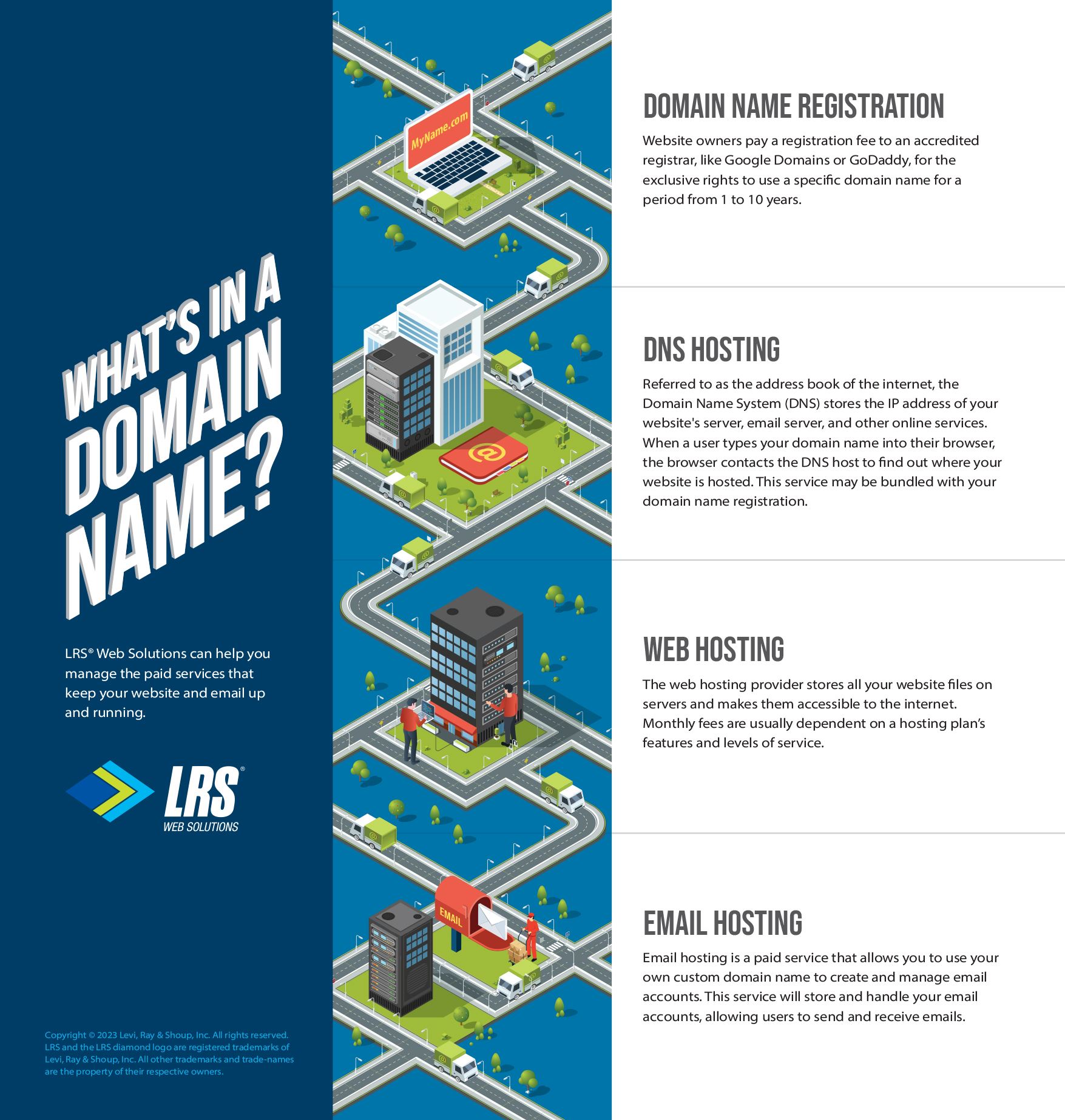
Domain registration gives your website a unique name. It helps people find you online. This cost is usually yearly. Some domains cost more. Popular names may be expensive. Be careful when choosing a domain name. It should be easy to remember and type.
Bandwidth is how much data moves on your site. More visitors need more bandwidth. Storage keeps your files safe. Big sites need more space. Both affect your web hosting bill. Choose wisely to fit your site’s needs. Small sites can use less.
Additional features make your site better. Some hosts offer email accounts. Others give security tools. Some have website builders. Features can cost extra. Pick what your site needs most. Avoid paying for things you won’t use. This keeps costs low.
Credit: www.lrswebsolutions.com
Choosing The Right Hosting Provider
A good website needs fast speed. A slow website can lose visitors. Performance is important. Check the server’s speed. Look for uptime guarantees. Uptime means the server is always on. Most good hosts offer 99.9% uptime. This means the website is mostly available. Test the server response time. Fast response keeps users happy.
Customer support helps you fix problems. Look for 24/7 support. This means help is always available. Check if they offer chat, email, and phone support. Read reviews about their help. Good support solves problems fast. It gives peace of mind. You can focus on your website.
Scalability means your website can grow. As your website grows, you need more space. Check if the host offers different plans. This helps your site grow smoothly. Upgrade your plan as needed. Make sure upgrading is easy. A scalable host supports your website’s journey.

Credit: www.forbes.com
Frequently Asked Questions
Why Do You Have To Pay For Web Hosting?
You pay for web hosting to rent server space for your website. It covers server maintenance, security, and support, ensuring optimal performance and uptime. Reliable hosting enhances your site’s speed and accessibility, crucial for user experience and search engine rankings.
Can I Host My Own Website Without Paying?
Yes, you can host your own website for free using services like GitHub Pages or Netlify. These platforms offer free hosting with limitations. For full control, consider using a personal computer, but it requires technical knowledge and consistent power supply.
Is Web Hosting Free?
Web hosting is not typically free. Some companies offer limited free plans, but they have restrictions. Paid plans provide better features, support, and reliability. Opting for a paid plan ensures more resources and control over your website. Evaluate your needs to choose the right hosting plan for your site.
Do You Have To Pay Monthly To Host A Website?
Yes, monthly payments are common for website hosting services. Costs vary based on hosting type and provider. Some hosts offer annual plans with discounts. Always compare plans to find the best fit for your needs and budget. Consider factors like storage, bandwidth, and customer support when choosing a host.
Conclusion
Web hosting is crucial for your website’s success. It ensures reliable access. A good host provides speed and security. Visitors need fast loading pages. Slow sites lose users. Security protects your data from threats. You want peace of mind online.
Investing in hosting is wise. It supports your site’s growth. Budget options exist, but choose wisely. Quality hosting pays off in the long run. Your website represents you. Make a smart choice. Keep your site safe, fast, and accessible. Hosting is a foundation for your online presence.
Start strong, invest in hosting today.


