
Imagine building a beautiful, cozy home. You’ve designed every corner meticulously, chosen the best colors, and filled it with all your favorite things.
But, there’s one crucial thing missing—a piece of land to put it on. Without this land, your dream home is just a collection of ideas. This is exactly what web hosting does for your website. It provides the space you need to bring your digital dreams to life.
Have you ever wondered why your website needs a reliable web hosting service? This question might just hold the key to your online success. Understanding web hosting is like discovering a secret ingredient that can transform your online presence. It’s the foundation of everything you do online, yet it’s often overlooked. As you delve deeper into this article, you’ll uncover why web hosting is vital and how it impacts your website’s performance, security, and accessibility. Let’s demystify this crucial component together and unlock the potential of your website.
What Is Web Hosting?
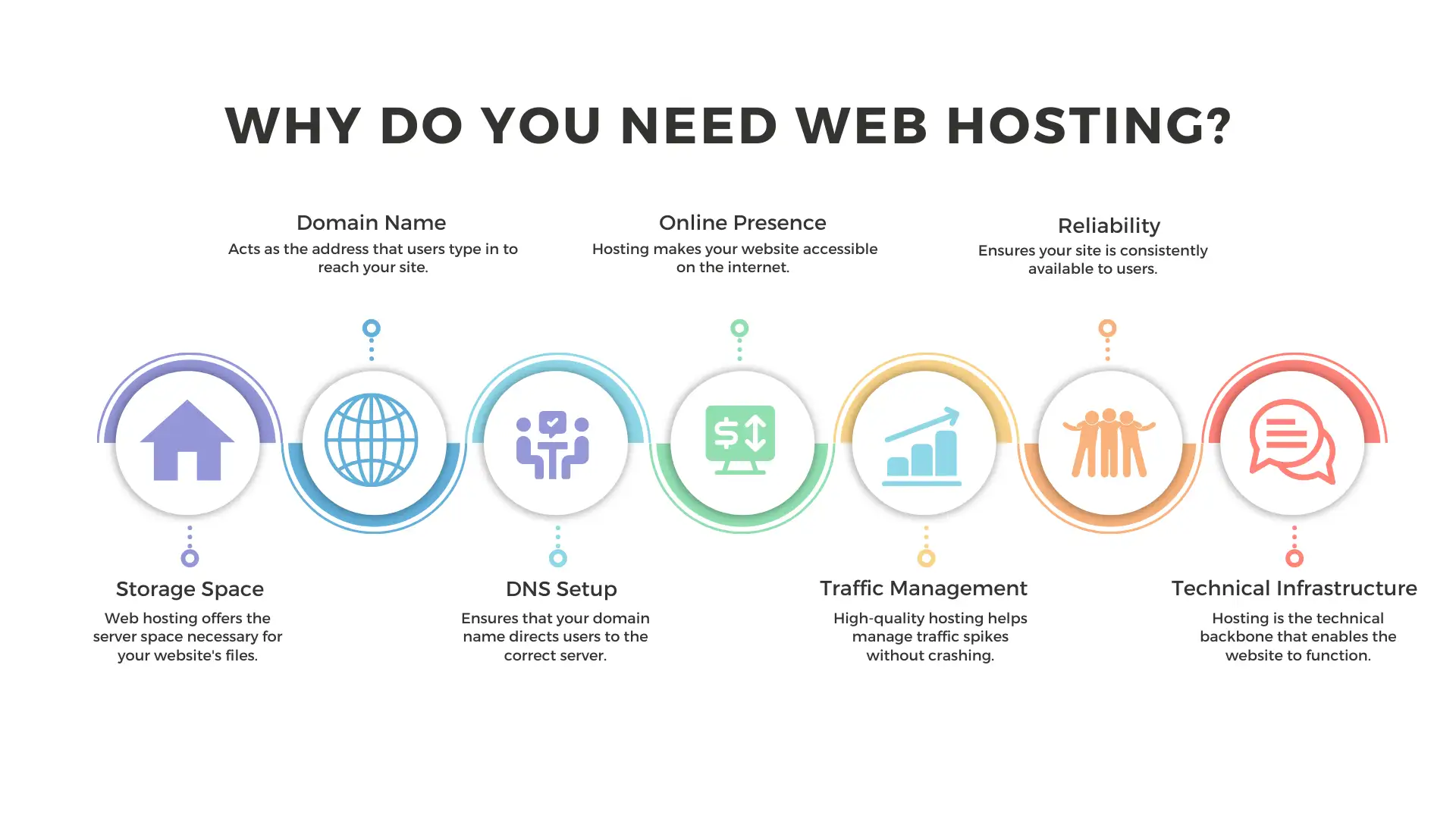
Web hosting allows websites to be on the internet. It stores your website files on powerful computers. These computers are called servers. Think of a server as a home for your website. Without hosting, your site can’t be seen online.
Choosing the right web hosting is important. It affects your site speed and security. Fast loading sites keep visitors happy. Secure hosting protects your data from hackers. Good hosting helps your site work smoothly.
There are different types of hosting. Shared hosting is cheap and simple. Many sites share the same server. Dedicated hosting is more powerful. Your site has its own server. Cloud hosting is flexible. It uses many servers together. Each type has its own benefits and costs.

Credit: www.register.com
Types Of Web Hosting
Shared hosting is cost-effective. Many websites use one server. Resources are shared among users. It’s perfect for small websites. Easy to set up and manage.
VPS stands for Virtual Private Server. It’s like shared hosting but better. Each site gets its own space. It’s more secure and stable. Suitable for medium-sized websites.
Dedicated hosting gives you your own server. No sharing with others. It’s very powerful and fast. Best for large websites. It offers full control.
Cloud hosting uses many servers. It’s very flexible. Websites can handle lots of visitors. It is easy to scale up or down. Great for growing businesses.
Key Benefits Of Web Hosting
Web hosting makes websites load fast. Fast-loading pages keep visitors happy. They don’t like waiting. Slow pages lose people. Hosting boosts speed. Speed improves user experience. Happy users stay longer. They explore more pages. Fast sites rank better. Search engines love speed. More visibility online.
Security is crucial online. Web hosting offers strong protection. It guards against hackers. Keeps data safe. Hosting has firewalls. Stops attacks before harm. Backups are frequent. Data stays secure. Trust is built with users. They feel safe browsing. Secure sites gain loyalty.
Data needs a safe place. Web hosting stores data well. It keeps information safe. Hosting prevents loss. It offers backups. Data stays intact always. Users find the content they need. Reliable storage is vital. It avoids confusion. Prevents data loss nightmares.
Websites grow over time. Web hosting supports growth. It scales with need. More visitors, more resources. Hosting adapts easily. Expanding is simple. Sites get bigger with ease. No stress about limits. Hosting allows smooth growth. Businesses grow freely online.
Role Of Web Hosting In Seo
Web hosting is like a home for your website. A fast hosting makes your site load quickly. This is important for SEO. Search engines love fast-loading websites. Users do too. They stay longer and explore more.
Reliable hosting keeps your site online. Downtime can hurt your SEO. Search engines might not trust a site that’s often down. Security is another key point. A secure site is a trusted site. Search engines rank trusted sites higher.
Web hosting can affect your site’s IP address. A clean IP is good for SEO. A bad IP can hurt it. Choose a host with a clean record. This helps your site rank better in search results.
Cost-effectiveness Of Web Hosting
Web hosting saves money. Buying servers costs a lot. Hosting services are cheaper. Pay a small fee monthly. No need to worry. No need to fix broken servers. Hosting companies do that for you.
Hosting plans fit all budgets. Cheap plans and expensive plans. Choose what fits best. Pay for what you need. Save extra money. Some plans start very low. Sometimes for just a few dollars.
Shared hosting is cost-effective. Many sites use one server. This cuts the cost. Good for small websites. Spend less but get more. It is easy and smart.
Credit: wegic.ai
Choosing The Right Hosting Provider
Picking a host is very important. Speed is key for fast loading. Look for uptime guarantees. This means your site stays online. Security features protect your data. Check for customer support. You need help when things break. Pricing matters too. Compare costs and features. Scalability is vital as your site grows. Good hosts offer backup options to save your work.
| Provider | Strength | Weakness |
|---|---|---|
| BlueHost | Great support | Higher prices |
| HostGator | Affordable plans | Mixed reviews |
| SiteGround | High speed | Limited storage |
Common Myths About Web Hosting
Many people think web hosting costs a lot. Affordable options are available. Some hosting plans start at just a few dollars a month. Shared hosting is cheaper. It lets many users share one server. Hosting companies offer discounts. Look for deals to save money.
Free hosting sounds great. But it has limits. Ads appear on free sites. Some services control your content. Limited support is common. Free hosts may not help quickly. Paid hosting offers better help. Faster speeds and more space come with paid plans.
Small sites need hosting too. Personal blogs use hosting. Hosting helps people find your site. Businesses need hosting for their sites. Hosting keeps sites online. No site is too small for hosting.

Credit: www.linkedin.com
Frequently Asked Questions
What Do You Need Web Hosting For?
Web hosting is essential for making your website accessible online. It stores your site’s data on servers, ensuring uptime and speed. Web hosting also provides security, backups, and technical support. Choose reliable hosting to improve user experience and SEO rankings.
What Is The Purpose Of Web Hosting?
Web hosting provides the technology and services needed for a website to be accessible online. It stores website files on a server and ensures smooth access to the site. This makes it possible for users to view and interact with the website on the internet.
Can I Run A Website Without Hosting?
Running a website requires hosting. Hosting stores your site’s files and makes it accessible online. Without hosting, your website can’t function. Choose a reliable hosting provider to ensure your website’s performance and security. Hosting is essential for your site’s visibility and operation on the internet.
What Happens If You Don’t Have Web Hosting?
Without web hosting, your website won’t be accessible online. Users can’t view your content or services. Web hosting provides the necessary server space to store your site files. It ensures your website is live and reachable on the internet, allowing visitors to access it anytime.
Conclusion
Web hosting is essential for any online presence. It keeps your website online and accessible. Without it, your site can’t function. Visitors need a stable platform to view your content. Hosting ensures speed and reliability. Security is another key benefit.
It protects your data from threats. Choosing the right host can improve performance. A good provider offers support when needed. This helps keep your site running smoothly. In today’s digital world, web hosting is a must. Don’t overlook its importance for your website’s success.


