
Imagine your website as a dream house you are eager to build. You’ve got the blueprint ready, but where will you place it?
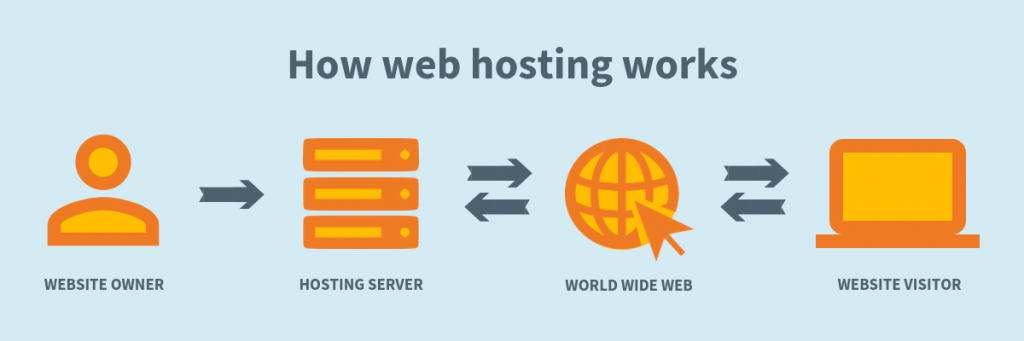
This is where web hosting comes into play. Web hosting is essentially the land on which your website resides, ensuring it stands tall and visible in the vast digital landscape. It’s the backbone that empowers your site to be accessible to the world, day and night.
Have you ever wondered why some websites load faster than others, or why some seem more reliable? The secret often lies in the web hosting service you choose. Whether you’re launching a personal blog or a full-fledged online store, understanding web hosting is crucial for your site’s success. Curious to know how web hosting can impact your online presence and what options you have? Stick around, and you’ll discover how the right hosting choice can transform your digital ambitions into reality. Dive deeper with us, and equip yourself with the knowledge to make informed decisions for your online journey.

Credit: rackset.com
Types Of Web Hosting
Shared hosting is like sharing a room with friends. Many websites share the same server space. It is cheap and easy for beginners. But, if one site gets busy, others slow down. It’s a good start for small websites.
VPS stands for Virtual Private Server. It’s like having your own room but in a shared house. You get more control and resources. It’s more powerful than shared hosting. Costs are higher but worth it for growing sites.
Dedicated hosting is like owning a house. You get the whole server to yourself. It’s very powerful and fast. Great for big websites that need lots of resources. But, it is expensive. You need to know how to manage it.
Cloud hosting uses many servers. It works like a team. If one server fails, others help. This makes it very reliable. It scales up or down easily. Costs depend on usage. Perfect for websites with changing traffic.
Key Features Of Web Hosting
Web hosting gives you space for your website. Storage space is where your files live. Pictures, videos, and text need room. More space means more content can fit. Always check how much storage is offered. Some hosts give limited space. Others offer unlimited storage. Choose wisely based on your needs.
Bandwidth affects how fast your site loads. It means the amount of data transferred. High bandwidth allows more visitors at once. Low bandwidth can slow your site down. More visitors need more bandwidth. Make sure your hosting plan includes enough. Some plans charge extra for high bandwidth.
Keeping your site safe is crucial. Security measures protect your data from hackers. Good hosts offer SSL certificates. They also have firewalls and backups. Choose hosts with strong security features. They help keep your site secure.
Help is important when things go wrong. Customer support assists with website issues. Look for hosts with 24/7 support. This means help is always there. Support can be via chat, phone, or email. Good support solves problems fast. Check reviews about their support service.
Choosing The Right Web Hosting Provider
Choosing a web hosting provider starts with pricing. Look for affordable plans that fit your budget. Compare features across different providers. Some offer special discounts for new users. Others have hidden fees. Understand what you’re paying for.
Performance affects your website speed. Reliable hosts keep your site online. Check for uptime guarantees. A good host ensures your site works well. Poor performance loses visitors. Choose a host with a strong track record.
User-friendly platforms help beginners. Look for easy setup and management tools. Simple control panels make tasks easier. Some hosts offer drag-and-drop features. Make sure you can manage your site with ease.
As your site grows, you’ll need more resources. Choose a host with scalable options. Upgrade plans should be flexible. Growing websites need more bandwidth. Ensure your host can handle growth.
Credit: www.layerhost.com
Benefits Of Professional Web Hosting
Professional web hosting can make sites load faster. A fast site keeps users happy. They won’t leave the page quickly. Speed is important. People do not like waiting. Fast websites can lead to more visitors.
Security is crucial for websites. Professional hosts offer better protection. They have strong firewalls. They also offer backups. Users’ information stays safe. This builds trust with visitors.
Search engines like fast sites. A fast site can mean a better ranking. Better ranking means more people find your site. More visitors can mean more success. Professional hosting helps with this.
Problems can happen anytime. With professional hosting, help is available. Expert support is ready to assist. They solve issues quickly. This keeps your site running smoothly. It helps to avoid long downtimes.
Common Challenges In Web Hosting
Websites need to be online all the time. Downtime can cause stress. Visitors may leave when a site is down. Sales can drop if a store is offline. Many factors lead to downtime. Servers can fail. Power can go out. Websites can crash. Avoiding downtime is crucial for success.
Small websites need more resources to grow. Limited bandwidth can slow them down. Storage limits can stop expansion. Many hosting plans offer only basic resources. Upgrade costs can be high. Finding a plan with enough resources is key.
Not all software works on all hosts. Compatibility issues can cause errors. Websites may not load right. Some features might not work. Checking compatibility before choosing a host is important. Use software that matches the host’s features.
Data loss can be scary. Websites need regular backups. Many hosts offer limited backup options. Automatic backups are best. Users should check if backups are included. Manual backups take time. Data safety is a top priority.
Credit: www.educba.com
Future Trends In Web Hosting
Web hosting is going green. Companies use renewable energy. This helps the planet. Data centers need less power. This saves money and energy. Some companies plant trees. Others reduce waste. They care about the Earth. Green hosting is the future. It is good for everyone.
AI makes web hosting smart. It handles tasks quickly. AI finds and fixes problems. This helps websites run well. Many hosting companies use AI now. AI can learn from data. It helps improve service. It is a big part of hosting today.
Security is very important. Websites need protection. New protocols keep data safe. Encryption is one method. It hides information. Firewalls block bad traffic. Many companies invest in security. They want to protect users. This builds trust. Security is key for web hosting.
Serverless architecture is growing. It means no servers to manage. Services run in the cloud. This saves time and money. Developers focus on code. Hosting scales easily. Serverless is fast and flexible. It meets many needs. It is a trend to watch.
Frequently Asked Questions
What Do You Mean By Web Hosting?
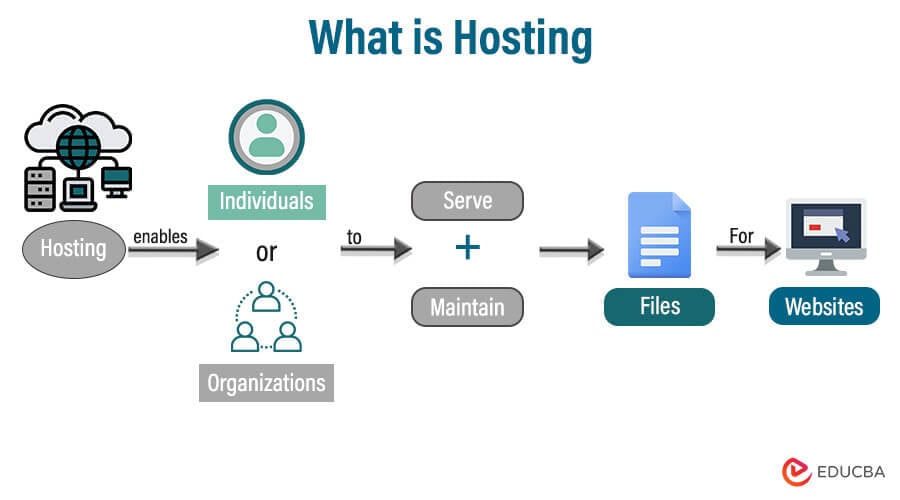
Web hosting provides the service of storing website files on servers, making them accessible online. It ensures your website is available for users by managing server space and bandwidth. Different plans cater to various needs, from shared hosting to dedicated servers.
Reliable hosting enhances website performance and user experience.
What Are The 3 Types Of Web Hosting?
The three types of web hosting are shared hosting, VPS hosting, and dedicated hosting. Shared hosting is cost-effective. VPS hosting offers more control and resources. Dedicated hosting provides exclusive server access for high performance. Each type caters to different needs and budgets.
Can I Run My Website Without Hosting?
Websites need hosting to be accessible online. Hosting provides storage and support for website files, ensuring functionality. Without hosting, your website cannot be viewed on the internet. Consider reliable hosting services for better performance and security. Choose a plan that meets your website’s needs.
Why Do People Use Web Hosting?
People use web hosting to make their websites accessible online. Hosting provides server space for storing website data. It ensures optimal performance, security, and reliability. Users can manage resources and scale their sites easily. Web hosting services offer technical support and user-friendly tools for website management.
Conclusion
Understanding web hosting is essential for every website owner. It determines your site’s performance and accessibility. Choosing the right hosting plan can make a big difference. Shared, VPS, or dedicated hosting—each has its benefits. Consider your site’s needs before deciding.
Think about speed, security, and support. Reliable hosting ensures your site runs smoothly. Poor hosting can lead to downtime and loss of visitors. Always research and compare options carefully. With the right host, your website can thrive. Make an informed choice to support your online goals effectively.


