
Have you ever wondered what a web hosting company actually does? Imagine building a beautiful house but needing a piece of land to put it on.
Similarly, when you create a website, you need a space on the internet to host it. This is where web hosting companies come into play. They provide the digital land for your website, ensuring it’s accessible to everyone, anytime. But what exactly does this mean for you and your online presence?
Understanding web hosting is crucial for making informed decisions about how your website operates and performs. Dive into the world of web hosting and discover how it can shape your online success. Keep reading to learn more about why choosing the right web hosting company can be a game-changer for your website.
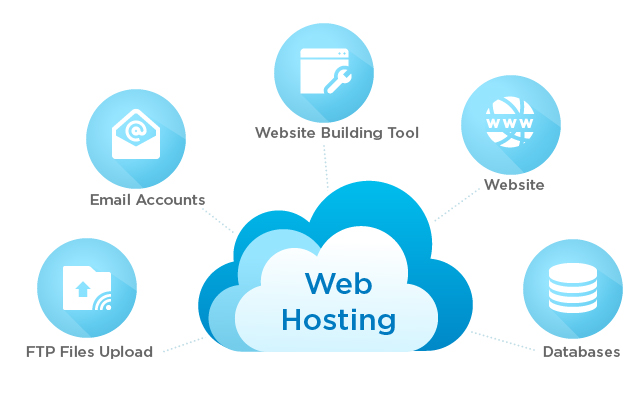
Credit: petalhost.com
Web Hosting Basics
A web hosting company stores your website files. These files live on special computers called servers. With hosting, people can visit your site on the internet. Hosting is like renting space online. This space holds your website data. Without hosting, your site cannot be seen.
Different hosting plans are available. Some are cheap, and some are expensive. The cost depends on your needs. Small sites need less space. Big sites need more space. Choose a plan that fits your site size.
Hosting companies offer support. They fix problems that may happen. They help keep your site running. It’s important to pick a reliable company. A good company keeps your site safe and fast.
Types Of Web Hosting
Shared hosting means you share a server with others. It’s cheap and good for small websites. You get limited resources. If one site gets busy, yours might slow down. Great for beginners starting online.
VPS hosting stands for Virtual Private Server. You share a server but get your own space. It’s more powerful than shared hosting. You can customize your server. Perfect for growing websites needing more control.
Dedicated hosting gives you an entire server. No sharing with others. It’s expensive but offers full control. Best for big websites with lots of visitors. You manage everything yourself. A powerful choice.
Cloud hosting uses many servers. Your site can grow easily. If one server fails, others keep your site running. It offers flexibility and scalability. Perfect for sites with changing needs.
Key Features Of Web Hosting Services
Web hosting offers storage for your website files. These files need space on a server. Bandwidth is how much data moves between the server and users. More visitors mean more bandwidth used. Hosting plans vary in storage and bandwidth. Choose a plan that fits your needs. More storage and bandwidth cost more money.
Uptime means your site is up and running. Reliability is important for visitors. Good hosting companies promise high uptime. Uptime is often over 99%. Few companies offer 100% uptime. Look for uptime guarantees when picking a host. Reliable hosts mean happy visitors.
Security keeps your site safe. Web hosting includes security tools. They protect against hackers and viruses. Firewalls and SSL certificates are common. Secure hosts protect your data. Good security means peace of mind. Choose hosts with strong security features.
Customer support helps with problems. Hosting companies have support teams. They solve issues quickly. 24/7 support is ideal. Look for hosts with good support reviews. Support can be through chat, email, or phone. Good support makes hosting easier.

Credit: www.layerhost.com
Choosing The Right Web Hosting
Think about the type of website you want. Is it a blog or a shop? Each type needs different hosting. Traffic is important. More visitors need more resources. Also, consider the tools you will need. WordPress or simple HTML? Know what your site requires.
Money matters. Web hosting comes in different price ranges. Some are cheap, but have limits. Others cost more, but offer extra features. Decide how much you can spend. Remember, more expensive doesn’t always mean better.
Websites can grow. More pages, more visitors. Choose a host that can grow with you. Some hosts let you upgrade easily. This is important for future success. Plan for your site’s growth early.
Popular Web Hosting Providers
| Company | Price | Storage | Uptime |
|---|---|---|---|
| Bluehost | $2.95/mo | 50 GB | 99.9% |
| HostGator | $2.75/mo | Unlimited | 99.9% |
| SiteGround | $3.99/mo | 10 GB | 99.99% |
Bluehost offers great customer support. But, it has limited storage. HostGator provides unlimited storage. Yet, it may have slower load times. SiteGround is known for top performance. Still, it comes at a higher cost. Understanding these details helps in making better choices.
Common Web Hosting Terms
A domain name is your website’s address on the internet. It’s like your home address but online. Every website has a unique domain name. People use it to find your site. For example, “example.com” is a domain name. You need to register a domain name for your website.
A control panel helps you manage your web hosting account. It is a tool to manage files, emails, and databases. Most hosting companies offer a control panel. It makes website management easy. Popular control panels include cPanel and Plesk.
SSL certificates keep your website safe. They encrypt data between your site and users. This makes it hard for hackers to steal information. Websites with SSL show a padlock icon in the browser. Many users trust sites with SSL more.
Future Of Web Hosting
Web hosting is changing fast. New technologies are here. Cloud computing is a big one. It helps store data safely. Websites load faster with it. Artificial Intelligence (AI) is also growing. AI helps manage servers better. Less downtime. More efficient.
Another trend is edge computing. It brings data closer to users. This means faster access. Security is also improving. More tools to keep data safe. Users can trust web hosting more. These technologies are shaping the future.
Green hosting is becoming popular. It uses less energy. Good for our planet. Scalability is another trend. It means websites can grow easily. No need for new servers. Customer support is better too. Help is available 24/7.
Customizable plans are also on the rise. Users can pick what they need. No more paying for extra services. These trends make hosting better for everyone.

Credit: host4geeks.com
Frequently Asked Questions
What Is Web Hosting With An Example?
Web hosting provides space on a server for websites to operate online. For example, Bluehost hosts WordPress sites, ensuring they are accessible to visitors.
How Much Does Web Hosting Cost Per Month?
Web hosting costs vary from $3 to $300 per month. It depends on the hosting type and features. Shared hosting is cheaper, while dedicated servers are more expensive. Consider your website needs and budget when choosing. Look for discounts and compare providers for the best deal.
Can I Run My Website Without Hosting?
You cannot run a website without hosting. Hosting provides server space for storing website files. Without it, your site won’t be accessible online. Choose a reliable hosting provider to ensure website performance and security. Hosting is essential for a successful and visible online presence.
What Are The 3 Types Of Web Hosting?
Web hosting includes shared hosting, VPS hosting, and dedicated hosting. Shared hosting is cost-effective, ideal for beginners. VPS hosting offers more control and resources. Dedicated hosting provides exclusive server use for high-traffic sites. Each type caters to different needs and budgets.
Conclusion
Choosing the right web hosting company is crucial. It affects your website’s performance and reliability. A good host ensures your site loads fast. It also keeps your data secure and available. Remember, web hosting is the backbone of your website.
Take time to research and find a reliable provider. Check reviews and compare features. Consider your needs and budget. Making an informed choice can enhance your online presence. Reliable hosting supports your growth and success. So, choose wisely and ensure your website thrives.


