
Are you trying to decide between web hosting and cloud hosting for your website? You’re not alone.
Many people face this dilemma, and making the right choice is crucial for your online success. Imagine having the perfect hosting solution that not only boosts your site’s performance but also scales effortlessly as your needs grow. That’s exactly what we’re going to explore.
You’ll discover the key differences between web hosting and cloud hosting, including how they impact speed, security, and cost. By the end, you’ll have a clear understanding of which option aligns best with your goals and budget. Don’t miss out on this chance to empower your website with the ideal hosting solution. Dive in and uncover the insights that could transform your online presence.
Understanding Web Hosting
Shared hosting means sharing a server with others. It’s like living in an apartment building. You share resources with neighbors. This is affordable but might be slow sometimes. If one website gets busy, others can slow down. This option is good for small websites or blogs.
With dedicated hosting, you get your own server. It’s like owning a house. You don’t share with anyone. This means more control and speed. It’s good for big websites with many visitors. But it’s more expensive than shared hosting.
VPS stands for Virtual Private Server. It’s between shared and dedicated hosting. You share a server but have your own space. It’s like having a condo. More control than shared hosting but less costly than dedicated hosting. Good for growing websites.
Exploring Cloud Hosting
Public cloud is for everyone. It is like a big park. Many people share it. You pay for what you use. It is cheap and easy. Big companies offer it. Like Amazon or Google. They take care of everything. You just use it. No need to worry about the tech stuff.
Private cloud is special. Only one company uses it. It is like a private garden. No one else can enter. It is safe and secure. Costs more than public cloud. But gives more control. Companies with sensitive data use this. They want to keep data safe. They manage it themselves.
Hybrid cloud is a mix. Both public and private. Like a big park with a private spot. Companies can choose where to put data. Some data goes to public cloud. Some stays in private. It is flexible. Offers best of both worlds. Good for businesses with mixed needs.
Performance Comparison
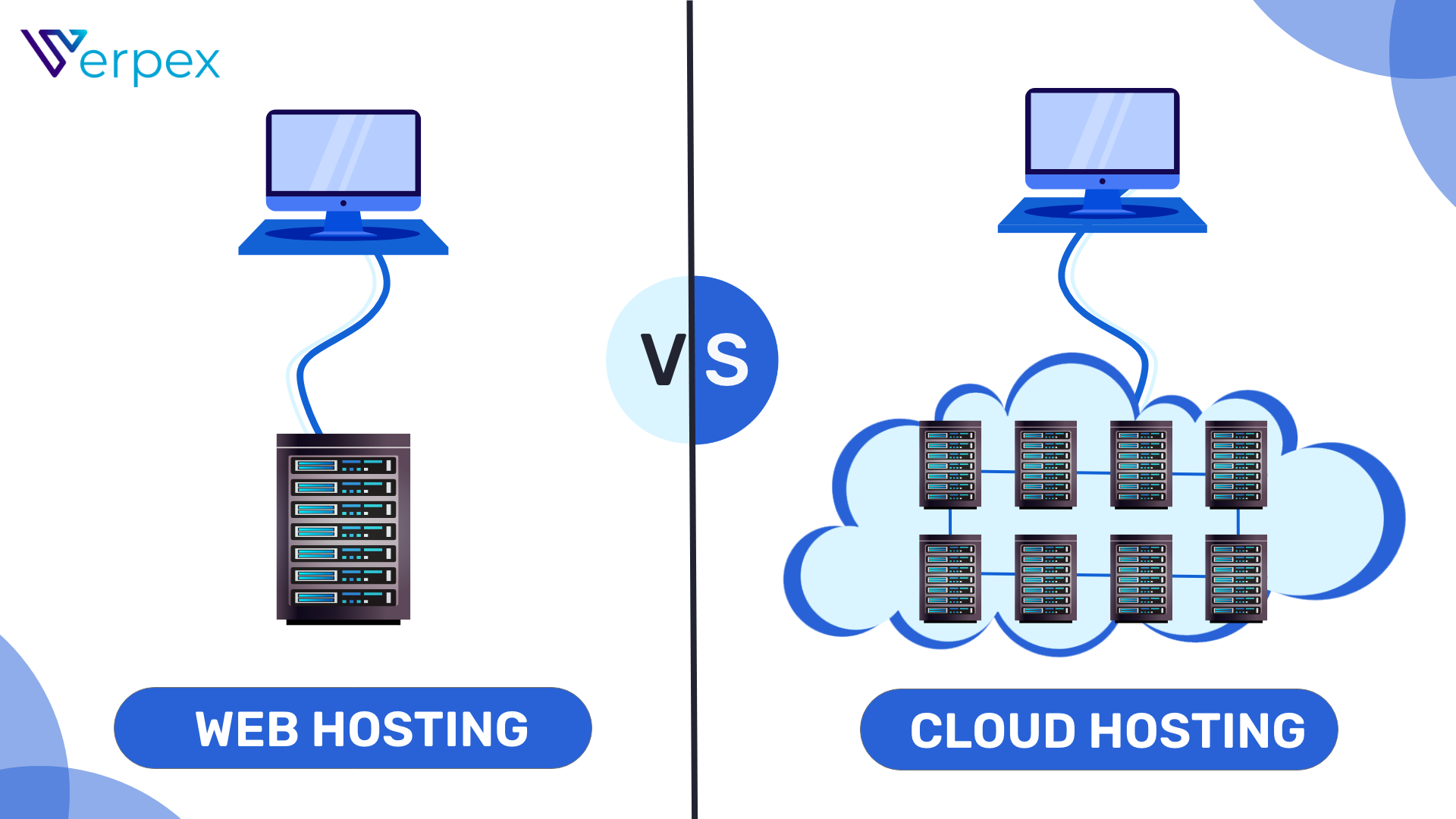
Web hosting provides dedicated resources, while cloud hosting offers flexibility and scalability. Cloud hosting often handles traffic spikes better. Web hosting might be more cost-effective for smaller websites with predictable traffic.
Speed And Reliability
Web hosting can be slow during busy times. Cloud hosting often stays fast. It uses many servers. If one server fails, others help. This makes it more reliable. Web hosting depends on one server. If it fails, the site can go down. Cloud hosting makes sites faster and more stable.
Scalability
Cloud hosting grows with your needs. Add more resources easily. Web hosting has limits. Cloud hosting can handle big traffic. Web hosting might struggle. Scale up or down in cloud hosting with ease. This flexibility is great for growing sites.

Credit: www.cloudpanel.io
Cost Considerations
Web hosting often has lower initial setup costs. You might pay a small fee to start. This can be good for beginners. Cloud hosting setup costs can be higher. But, it offers better flexibility. Choosing the best option can depend on your needs. Think about what you really need before deciding.
Web hosting usually has a fixed monthly fee. This can be easier to budget. Cloud hosting might cost more over time. You pay for what you use. This can save money if usage is low. But, costs can grow if you use a lot. It’s important to plan and understand your usage.
Security Features
Data Protection is crucial for web hosting and cloud hosting. Both offer tools to keep your data safe. Web hosting often provides basic security features. These include firewalls and regular backups. Cloud hosting offers advanced security methods. Encryption is a common feature. It keeps your data safe from hackers. Both hosting types aim to protect your data.
Following Compliance rules is important. Web hosting services often meet basic standards. These include GDPR and PCI DSS. Cloud hosting services usually meet higher compliance standards. They often follow international rules. Compliance keeps your data safe. It ensures all legal requirements are met. Choose a hosting service that meets your compliance needs.
Customization And Control
Web hosting offers more user control over server settings. Users can change settings to fit their needs. More freedom to install custom scripts and software. This is great for businesses needing specific tools.
Cloud hosting gives less direct control. It’s managed by the provider. Users can’t change all settings. But, they still have control over their data. This is good for users who want easy management.
Web hosting is less flexible. It’s fixed to one server. If you need more space, you must upgrade. This can take time.
Cloud hosting is very flexible. Resources can grow as needed. No waiting for upgrades. This is ideal for growing businesses. You pay for what you use. It can save money.
Ease Of Management
Technical Support is crucial for hosting services. Web hosting usually offers limited support. Problems often need expert help. Cloud hosting provides better support. Teams are available 24/7. This ensures quick problem solving.
User Interface makes management easy. Web hosting interfaces are simple. They suit small websites. Cloud hosting interfaces are advanced. They have many tools. These tools help manage large sites. Cloud hosting is ideal for tech-savvy users.

Credit: www.hostgator.com
Use Case Scenarios
Small businesses need simple and affordable hosting solutions. Web hosting often fits this bill. It provides a cost-effective option for smaller sites. Easy to set up. Easy to manage. Perfect for limited budgets. Cloud hosting can be more expensive. But it offers scalability. Ideal for growing businesses. Yet, web hosting remains a strong choice. Especially for tight budgets.
Enterprises demand reliability and flexibility. Cloud hosting provides both. It allows quick scaling of resources. Perfect for high traffic sites. Web hosting may limit growth. Not ideal for changing demands. Cloud hosting offers better uptime and security. Essential for large businesses. Enterprises often prefer cloud solutions. They need robust and flexible hosting.
Future Trends
Choosing between web hosting and cloud hosting? Web hosting offers simplicity and fixed resources. Cloud hosting provides flexibility and scalability. Businesses should consider their specific needs to decide which option suits them best.
Advancements In Technology
The world of hosting is always changing. Technology is getting better every day. Web hosting will see new tools. These tools will make it faster. Cloud hosting will also grow. It uses many servers to work. This makes it very strong and fast. Both types of hosting will get new updates. These updates will help them work better.
Market Predictions
Experts think cloud hosting will grow fast. Many businesses like its flexibility. They can use more or less power as needed. Web hosting will still be used. It is good for small websites. People will want hosting that is cheap and easy. Both hosting types will improve. They will become more popular.
Credit: verpex.com
Frequently Asked Questions
What Is The Best Type Of Hosting?
The best type of hosting depends on your needs. Shared hosting is cost-effective for small sites. VPS offers better control and resources. Dedicated hosting provides maximum performance and security. Cloud hosting is scalable and flexible, ideal for growing businesses. Consider your budget, traffic, and technical requirements.
Why Is Cloud Hosting Preferred To In House Hosting?
Cloud hosting offers scalability, cost-efficiency, and flexibility. It reduces maintenance costs and provides easy access to resources. Cloud services ensure high uptime and data security. Businesses can quickly adapt to changing needs without investing in physical infrastructure. This convenience and reliability make cloud hosting a preferred choice over in-house solutions.
What Is The Difference Between Cloud And Web Server?
A cloud server offers scalable resources over the internet, while a web server hosts websites and applications. Cloud servers provide flexibility and are part of a virtualized environment. Web servers primarily serve web pages to users. Both have distinct roles in hosting and resource management.
What Is The Difference Between Web Hosting And Virtual Hosting?
Web hosting provides physical servers for websites, while virtual hosting uses software to create multiple virtual servers on one physical server. Virtual hosting is more scalable and cost-effective compared to traditional web hosting.
Conclusion
Choosing between web hosting and cloud hosting depends on your needs. For small websites, web hosting might be enough. It’s simple and often cheaper. Cloud hosting offers flexibility and scalability. It’s great for growing businesses. Consider your budget and future plans.
Think about your site’s traffic and storage needs. Each option has pros and cons. Evaluate them carefully. Make sure to align with your goals. With the right choice, your website will perform better. Stay informed and make a decision that suits you best.


