
Imagine this: you’re about to launch your dream website. You’ve got the perfect design and content ready to go.
But there’s one crucial piece missing—the web hosting. You might be wondering, “What do web hosting companies actually do? ” Well, here’s the scoop: web hosting companies are the backbone of your online presence. They make sure your website runs smoothly, loads quickly, and is always accessible to your visitors.
They provide the space on their servers where all your website’s files live. Without them, your site simply wouldn’t exist in the digital world. You deserve to know exactly how these companies work and how they impact your website’s performance. Understanding their role can empower you to make informed decisions when choosing the right host for your needs. Dive into this article, and you’ll uncover the secrets behind the scenes of web hosting. You’ll discover what goes into making your site a reliable, fast, and secure place for your audience. So, let’s unravel the mysteries of web hosting and set your website up for success.
Role Of Web Hosting Companies
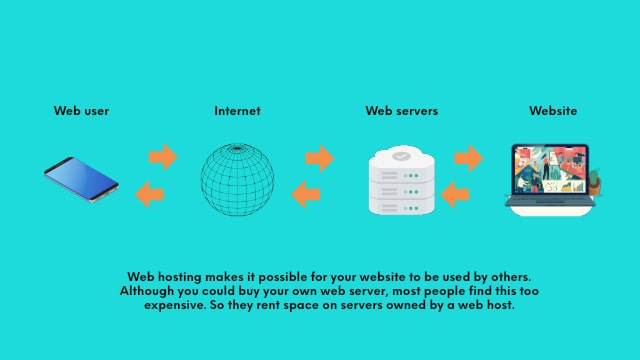
Web hosting companies help websites appear online. They provide servers to store website files. These servers are powerful computers. They work 24/7 to keep websites running. Without them, websites cannot be seen. Hosting companies offer different types of hosting. Shared hosting is for beginners. It’s cheap and easy. Dedicated hosting is for big websites. It’s fast and secure. Companies also provide technical support. This helps fix website problems quickly. They handle data backups too. This keeps information safe. Some companies offer domain registration. You can buy website names from them. They also provide security features. This protects websites from hackers. Hosting companies make websites fast and reliable. They are important for every online business.
Types Of Web Hosting Services
Shared hosting is like sharing a room. Many websites sit on one server. This option is often the most affordable. It suits small websites and blogs. Resources like CPU and memory are shared. But, if one site gets busy, others may slow down.
VPS stands for Virtual Private Server. Think of it as a private cabin. You share the server but have your own resources. This offers better performance than shared hosting. It’s a good choice for growing websites. You have more control and flexibility.
Dedicated hosting means having your own server. No sharing with others. It’s like owning a house. This option offers the best performance. Ideal for large businesses and websites with high traffic. But, it costs more. You need technical skills to manage it.
Cloud hosting uses many servers working together. It’s like having a team of helpers. If one server fails, others step in. This makes it reliable and scalable. Good for websites that grow quickly. You pay for what you use. Great for handling traffic spikes.
Key Features Offered
Web hosting companies provide storage space for your website files. This space is on their servers. Bandwidth lets users access your site. It measures the data transferred when users visit. More visitors need more bandwidth. Limited storage can slow down your site. Choose wisely based on your needs.
Protecting your website is crucial. Hosting companies offer security features like SSL certificates. These encrypt data between the server and user. Firewalls keep harmful traffic away. Regular backups prevent data loss. Strong security builds trust with visitors.
Reliable hosting means your site is always accessible. Companies promise high uptime rates, often over 99%. This means your site rarely goes down. Downtime can hurt your business. Reliable servers ensure your site is stable. Trustworthy hosts keep your site running smoothly.
Help is always needed. Hosting providers offer technical support. Experts solve issues quickly. Support is available 24/7. They guide you through problems. Good support is crucial for website health. Ensure your host offers excellent service. Your site’s success depends on it.

Credit: www.hostinger.com
Choosing The Right Web Host
Think about what your website will need. Storage is important. You need space to keep your files. Bandwidth matters too. It helps people see your site quickly. Also, consider if you need email services. Some hosts offer that. Security is crucial. Your site should be safe from hackers. Decide on these needs before picking a host.
Look at different prices. Some hosts are cheap, others are expensive. Check what each plan includes. Cheaper plans might have less features. More expensive plans may offer more. Think about what you really need. Don’t pay for extra features you won’t use. Compare prices carefully.
Performance affects your website’s speed. A faster site keeps visitors happy. Check the host’s server speed. Look for uptime guarantees. This means your site stays online. Customer support is also important. You need help if something goes wrong. Choose a host with good reviews on performance.
Benefits Of Professional Hosting
Improved Site Performance is key for any website. Fast loading pages keep visitors happy. Slow pages make visitors leave. Professional hosting speeds up your site. They use strong servers and technology. This ensures your site runs smoothly. A quick site also helps with SEO. Search engines like fast sites. So, it boosts your site’s visibility.
Enhanced Security protects your data and your visitors. Web hosting companies offer strong security measures. They have firewalls and regular updates. This keeps hackers and bad software away. Your site stays safe and secure. Visitors trust safe sites more. This trust is good for your business.
Scalability helps your site grow. As your business grows, your site needs more resources. Professional hosting can add more space easily. They adjust to your needs quickly. This flexibility lets your site handle more visitors. Your site won’t crash during busy times. This is important for your success.
Credit: www.godaddy.com
Common Challenges In Web Hosting
Downtime means your website is not working. This can make people upset. It can happen because of server problems. Or too much traffic. Keeping a website up all the time is hard.
Websites can get hacked. This is bad for business. Hackers can steal data. Web hosting companies must protect sites. They use firewalls and secure servers. Security is a big job for them.
Websites need resources like storage and bandwidth. If a site grows, it needs more. Web hosts must manage these well. Too little means slow websites. Too much means wasted money.
Future Trends In Web Hosting
Web hosting uses a lot of energy. Many companies are trying to be eco-friendly. They use renewable energy like wind and solar. This helps the planet and saves money. Green hosting is becoming more popular. People care about the environment. They choose hosts that are green. Hosting companies are planting trees too. This helps balance the energy they use. Green hosting is a smart choice for the earth.
AI helps web hosting companies a lot. It makes things faster. AI can fix problems quickly. It can also manage servers. This means less work for people. Automation is also important. It helps with updates and backups. Hosting becomes easier with AI and automation. Websites run smoothly. People like fast websites. AI makes this possible.
Edge computing is about being close. It brings data near to users. This makes websites load fast. Hosting companies use it for better service. Edge computing helps with big data too. It processes data quickly. Users get a better experience. They like fast and smooth websites. Edge computing is growing in web hosting.

Credit: www.znetlive.com
Frequently Asked Questions
What Does A Web Hosting Company Do?
A web hosting company provides space on a server to store website files. It ensures websites are accessible online. They offer server management, security, and technical support. Hosting companies also provide email accounts and domain registration. They ensure website uptime and performance, facilitating smooth online presence for businesses and individuals.
What Are The Responsibilities Of Web Hosting?
Web hosting maintains server uptime, manages security, provides technical support, ensures data backup, and facilitates domain management. It handles software updates, monitors traffic, and optimizes site performance. It also offers email hosting and guarantees fast data retrieval. Reliable hosting enhances website accessibility and user experience, crucial for online business success.
What Are The Functions Of Web Hosting?
Web hosting stores website data, ensures online accessibility, provides domain management, and offers security features. It supports email hosting, backups, and data transfer. Hosting includes technical support and server maintenance.
How Much Do I Pay To Host A Website?
Web hosting costs vary, ranging from $3 to $300 per month. Pricing depends on the type of hosting, features, and provider. Shared hosting is cheaper, while dedicated hosting is more expensive. Consider factors like bandwidth, storage, and support when choosing a plan.
Conclusion
Web hosting companies provide essential services for websites. They store your website files. Ensure your site stays online. Offer technical support when needed. Help with site security and backups. Choosing the right host impacts your site’s performance. Speed and reliability matter.
Consider your needs before selecting a host. Some hosts offer extra features. Like email accounts and domain registration. It’s crucial to research options. Compare prices and services. Make informed decisions for your website’s success. The right web hosting can enhance your online presence.
So, choose wisely for a smooth experience.


