
Are you venturing into the world of websites and wondering if web hosting costs money? You’re not alone.
This is a common question for anyone starting online. The simple answer is yes, but there’s more to it than just a price tag. Understanding the costs associated with web hosting can save you from unexpected surprises and help you make the best decision for your needs.
Whether you’re launching a personal blog or a business site, knowing what you’re paying for can give you peace of mind and ensure your online presence is both reliable and efficient. Ready to dive in and discover what you need to know about web hosting costs? Let’s unravel this together.
Understanding Web Hosting
Web hosting lets you put your website online. It uses special computers called servers. These servers store your website’s files. They show your site to people on the internet. Hosting usually costs money. Many companies offer hosting services. They provide space on their servers for a fee. Prices can be different. Some are cheap, others are expensive. The cost often depends on the features you need. Basic hosting plans are less costly. They suit small websites and blogs. Big companies need advanced hosting. This is more expensive. Features like extra security increase the price. Some companies offer free hosting. It comes with limits. It might have ads on your site. Paid hosting is better for most websites. It gives more control and fewer limits.
Credit: www.ryrob.com
Types Of Web Hosting
Shared hosting is like sharing a big house. You live with many others. It’s the cheapest option for beginners. Your website shares a server with others. This means the cost is low. But, you also share the space and power. If one site gets busy, others can slow down. This makes it less powerful. Great for small sites or blogs.
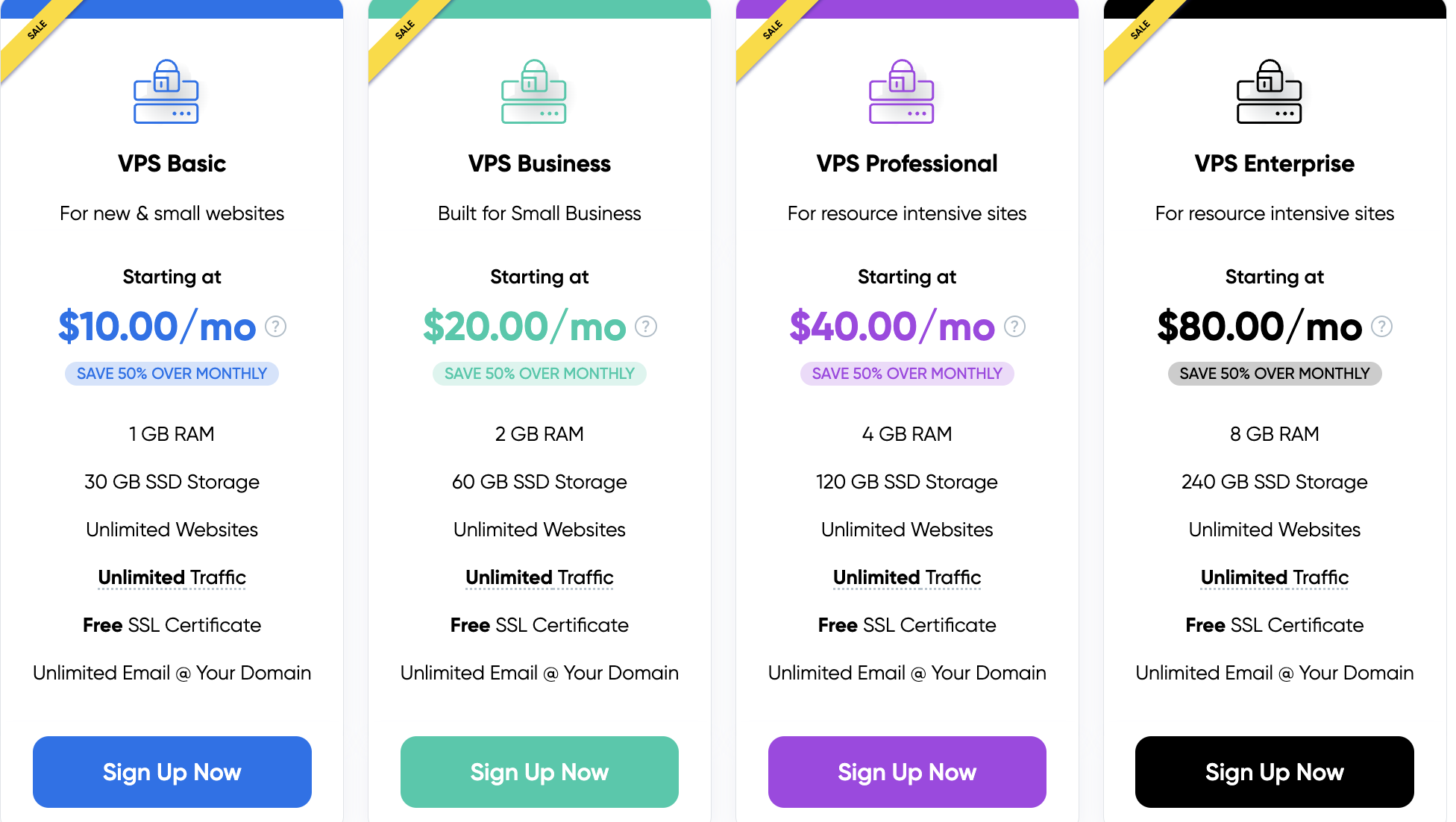
VPS stands for Virtual Private Server. It’s like having your own apartment in a building. More space and power than shared hosting. You get part of a server just for you. Costs more than shared but less than dedicated. Better for medium sites with more visitors. Offers more control over your space.
Dedicated hosting is like owning a house. You have the whole server to yourself. It’s the most expensive option. Perfect for large businesses with high traffic. Offers the most control and power. No sharing with others. You get the best performance. But, it needs more technical skills to manage.
Cloud hosting is like living in a hotel. You use many servers working together. It’s very flexible and scalable. Pay for what you use. Great for growing sites with changing needs. If one server fails, others help out. It’s safe and reliable. Costs can change based on usage.
Factors Affecting Web Hosting Costs
Web hosting costs can change based on server resources. CPU power and RAM are key factors. More power means higher costs. Shared hosting is cheaper. Dedicated servers cost more. You pay for what you use. Server location can affect costs too. Local servers might be cheaper. Global servers may cost more. Choose wisely based on your needs.
Bandwidth and storage are important for web hosting. More bandwidth can cost more. Storage space is needed for your data. More data, more cost. Unlimited plans may seem good. But they can be pricey. Limited plans are cheaper. Know your site’s needs. Pick a plan that fits.
Security is vital for websites. Hosting with security features costs more. SSL certificates protect data. They can be an added cost. Firewalls keep sites safe. They may increase hosting costs. Regular backups are useful. They can add to expenses. Safety is key. Choose hosts with good security.
Technical support affects hosting costs. Good support can be costly. 24/7 support is helpful. It might cost more. Basic support is cheaper. Know your support needs. Pick a host with suitable support. Quality support can save time. It can prevent problems. Support matters for smooth hosting.

Credit: www.hostgator.com
Free Vs. Paid Hosting
Free hosting is often limited. You may get less storage and bandwidth. This can slow down your website. Ads may appear on your site. You won’t have a unique domain name. Instead, you get a subdomain. Technical support might be hard to get. There are also fewer security features. Your site may not be safe from threats. Frequent downtime is possible. This can make visitors leave your site. Growth can be hard with these limits.
Paid hosting offers many advantages. You get more storage and bandwidth. This means faster loading times. You can use a unique domain name. There are no unwanted ads. Your site looks more professional. There is better security to protect your data. Paid plans often include customer support. This can be useful if problems occur. Frequent backups keep your data safe. Your website will have less downtime. This can help keep visitors happy.
Choosing The Right Hosting Plan
Understanding your website’s needs is important. A small blog needs less power. A big store needs more features. Think about how many visitors will come. Will you need extra space for files? Do you want a fast site? These questions help find the best plan.
Web hosting has many options. Some are cheap. Others cost more. Check what each plan offers. Look at storage space and speed. Some plans give extra services. Read reviews and compare. The right plan fits your budget and needs.
Websites can grow fast. Choose a plan that grows with you. Scalability means adding more power when needed. If your site gets busy, it must handle more traffic. A scalable plan helps avoid slowdowns. Consider future growth when picking a plan.
Hidden Costs In Web Hosting
Web hosting may seem cheap at first. But prices can rise. Renewal fees often surprise users. The initial cost is low. Later, the price jumps. This can catch many by surprise. Always check the renewal price before buying.
Hosts often offer add-ons. These can be backups, security, or email services. They might not be free. Some add-ons are useful. Others are not needed. Check what you really need. Consider these costs in your budget.
Domain registration is another cost. Some hosts offer free domains. But only for the first year. After that, you must pay. Look at the renewal price for your domain. It can add to your yearly cost.
Tips For Saving On Hosting Costs
Choosing a long-term contract can save money. Hosts often offer lower prices for longer terms. This means paying less each month. It’s like buying in bulk. You spend more at once but save over time. Be sure of your needs before committing.
Some companies offer bundled services. This means you get more for your money. You might get a domain name, email, and hosting together. Buying these separately costs more. Bundles help keep expenses low. Always check what’s included in the bundle.
Look for discounts and promotions to save money. Many hosts give special deals to new customers. Some offer discounts during holidays. Sign up for newsletters to get updates. You might find a great deal this way. Act fast, as promotions can end quickly.

Credit: www.godaddy.com
Frequently Asked Questions
Does It Cost Money To Host A Website?
Yes, hosting a website typically costs money. Expenses vary based on hosting type and provider. Shared hosting is usually cheaper, while dedicated and VPS hosting are more expensive. Some providers offer free plans with limitations. Consider your website needs to choose the right hosting plan.
How Much Does It Cost To Host A Web Service?
Web hosting costs vary based on service type. Shared hosting starts at $2. 50/month. VPS hosting ranges from $20 to $80/month. Dedicated servers can exceed $100/month. Cloud hosting costs depend on usage, often starting at $5/month. Choose based on your needs and budget.
What Is The Minimum Cost To Host A Website?
The minimum cost to host a website is around $3 to $10 per month. Basic hosting plans include shared hosting with limited resources. These plans are suitable for small websites or personal blogs. Prices may vary depending on the hosting provider and features included.
Why Is Web Hosting So Expensive?
Web hosting costs include server maintenance, security, and tech support. Quality hosting ensures site reliability and speed. Pricing reflects infrastructure investments and expertise. Competition among providers affects prices. Custom features and scalability also influence costs. Choose a plan matching your needs for best value.
Conclusion
Choosing the right web hosting is crucial. It does cost money, but offers great benefits. Quality hosting ensures your website runs smoothly. It provides security, speed, and reliability. Free hosting options may lack these features. Investing in good hosting boosts your online presence.
Consider your needs and budget carefully. Research different providers and compare prices. A small monthly fee can improve your website’s performance. Think of it as an investment in your online success. Make informed decisions and watch your website thrive.


