
Have you ever wondered how your online activities stay secure? When you access a website, there’s a lot happening behind the scenes to protect your data.
A crucial part of this process is TLS, or Transport Layer Security. But here’s a question: does the host of a web server implement TLS? Understanding this can empower you to make smarter decisions about your online security. Imagine knowing exactly how your personal data is safeguarded during every transaction or visit.
This knowledge not only boosts your confidence but also enhances your ability to choose secure websites effectively. Dive into this article, and you’ll uncover the secrets behind web server security. You’ll learn how TLS works, why it’s essential, and whether your web server host plays a role in implementing it. Let’s simplify the complex world of web security and make sure you feel in control. Don’t miss out on gaining insights that can protect your digital life!
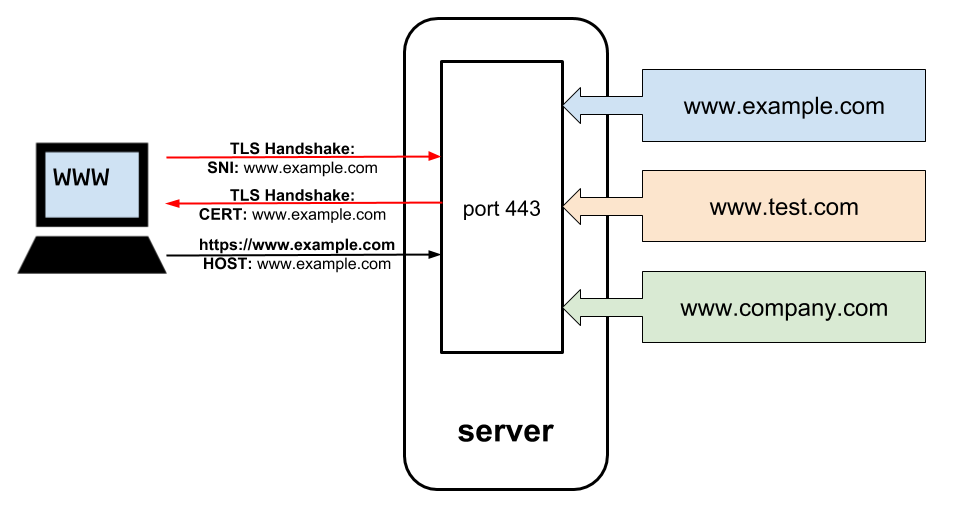
Credit: www.ssl.com
Role Of Web Servers In Tls
Web servers help show web pages. They take requests from users. Then, they send web pages back. Web servers use a language called HTTP. This language helps computers talk. Web servers do more than just send pages. They also make sure pages reach users safely. This is where TLS, or Transport Layer Security, comes in.
Secure connections keep our data safe. TLS is like a safety guard. It keeps bad people from seeing our secrets. Web servers use TLS to keep users safe. TLS stops others from reading our messages. It also stops them from pretending to be us. This makes the internet safer for everyone.

Credit: www.ibm.com
Understanding Tls Protocol
TLS stands for Transport Layer Security. It keeps internet connections safe. Data stays private and secure with TLS. It is widely used in web browsers. TLS helps protect personal information. This includes passwords and credit card numbers.
TLS is the new version of SSL. SSL means Secure Sockets Layer. SSL was the first to secure data over the internet. But, it had some issues. TLS was made to fix these problems. It is more secure and reliable. TLS is now used everywhere instead of SSL.
The TLS handshake is a special process. It happens when a connection starts. First, the client and server say hello. Then, they agree on a secret code. This code is called a key. The key keeps the data safe. Next, they exchange the key. Finally, the secure connection is ready.
Host Responsibilities In Tls Implementation
Hosts need to manage digital certificates. They prove identity on the web. Valid certificates are crucial. They help establish trust. Hosts must renew certificates regularly. This prevents expired certificates. Ensuring certificates are from trusted authorities is key.
Choosing the right encryption algorithms matters. Strong algorithms keep data safe. Outdated algorithms are risky. Hosts must update them often. This protects against security threats. Using industry standards ensures the best protection.
Hosts must ensure secure sessions. They keep user data safe. Hosts should use session keys. They encrypt data during sessions. Session expiration is important. It prevents unauthorized access. Monitoring session activities helps identify potential breaches.
Challenges In Tls Implementation
TLS is crucial for web safety. But it has its own vulnerabilities. Hackers can find and exploit weak spots. Weak passwords make attacks easier. Outdated software is another risk. It’s important to keep everything updated and strong. This helps to protect data from bad people. Always check for new updates. Follow best practices to improve security.
TLS uses extra resources. It can make web servers slower. More data means more processing. This can lead to delays. Users might get frustrated. They want websites to load quickly. Balancing security and speed is tough. Optimization can help. Use faster algorithms. Ensure efficient code. This way, users stay happy and safe.
Best Practices For Tls On Web Servers
Keeping the web server’s software up-to-date is vital. Security patches fix vulnerabilities. Hackers often target old systems. Regular updates ensure strong defenses. Update your server software often. This protects against new threats. Missing patches can lead to security breaches. Always check for the latest updates. Apply them as soon as possible.
Cipher suites encrypt data. They keep information safe. Choose strong cipher suites. They provide better security. Avoid weak ones. Weak suites can be easily broken. Strong suites use advanced algorithms. These are hard to crack. Regularly review the cipher suites. Make sure they are up-to-date.
Monitoring checks the server’s health. It watches for unusual activity. Logging records important events. Logs help trace issues. They show who accessed the server. Regular checks ensure everything works well. Monitor your server regularly. Set alerts for suspicious activity. Keep logs organized for easy review.

Credit: www.ssl.com
Future Of Tls In Web Security
TLS keeps data safe on the web. New versions of TLS offer better security. They fix old problems and add new ways to stay safe. TLS 1.3 is the latest version. It is faster and more secure. Encryption is stronger now, making it hard for bad guys to peek.
Quantum computers can change web security. They solve hard math problems fast. This could break old encryption. TLS needs to be ready for this. Future versions must handle quantum threats. Strong encryption is key. Scientists work on new ways to keep data safe. This will help protect information in the quantum age.
Frequently Asked Questions
What Is Tls In Web Hosting?
TLS stands for Transport Layer Security. It encrypts data between web servers and browsers. This ensures secure online transactions and protects sensitive information. TLS is essential for maintaining privacy and data integrity in web hosting. It is widely used in HTTPS protocols.
How Does Tls Work Between Client And Server?
TLS establishes a secure connection between client and server. The process involves encryption and authentication. It starts with a handshake to exchange keys. Then, data is encrypted for secure transmission. TLS ensures data integrity and privacy. This protocol protects sensitive information during online communications.
How Does Tls Work In Browser?
TLS secures browser communication by encrypting data between the client and server. The process begins with a handshake, where both parties agree on encryption methods. Public keys encrypt data, while private keys decrypt it. This ensures data integrity and confidentiality during transmission.
How To Enable Tls In Server?
Enable TLS by updating server configuration files. Install necessary certificates and update protocols. Restart the server to apply changes. Ensure the server software supports TLS. Regularly update and maintain security settings.
Conclusion
Understanding TLS is crucial for web server security. It protects data between users and websites. Hosts play a vital role in implementing TLS. They ensure secure connections for all online interactions. By using TLS, web servers build trust with users.
This trust is essential for business success. Security measures like TLS make online experiences safer. Users feel more confident sharing personal information. So, always prioritize TLS for a secure web environment. It’s a simple step that makes a big difference.
Consider it a key component for a reliable web server. Security should never be overlooked.


