
Have you ever wondered how websites appear online? It all comes down to web hosting.
Understanding the definition of web hosting is crucial if you’re looking to create a website or improve your online presence. Imagine your website as a house. Just like your house needs land to stand on, your website needs web hosting to exist on the internet.
By the end of this article, you’ll not only understand what web hosting is but also why it’s essential for your website’s success. Ready to dive into the world of web hosting and discover how it can transform your online experience? Let’s get started!
Basics Of Web Hosting
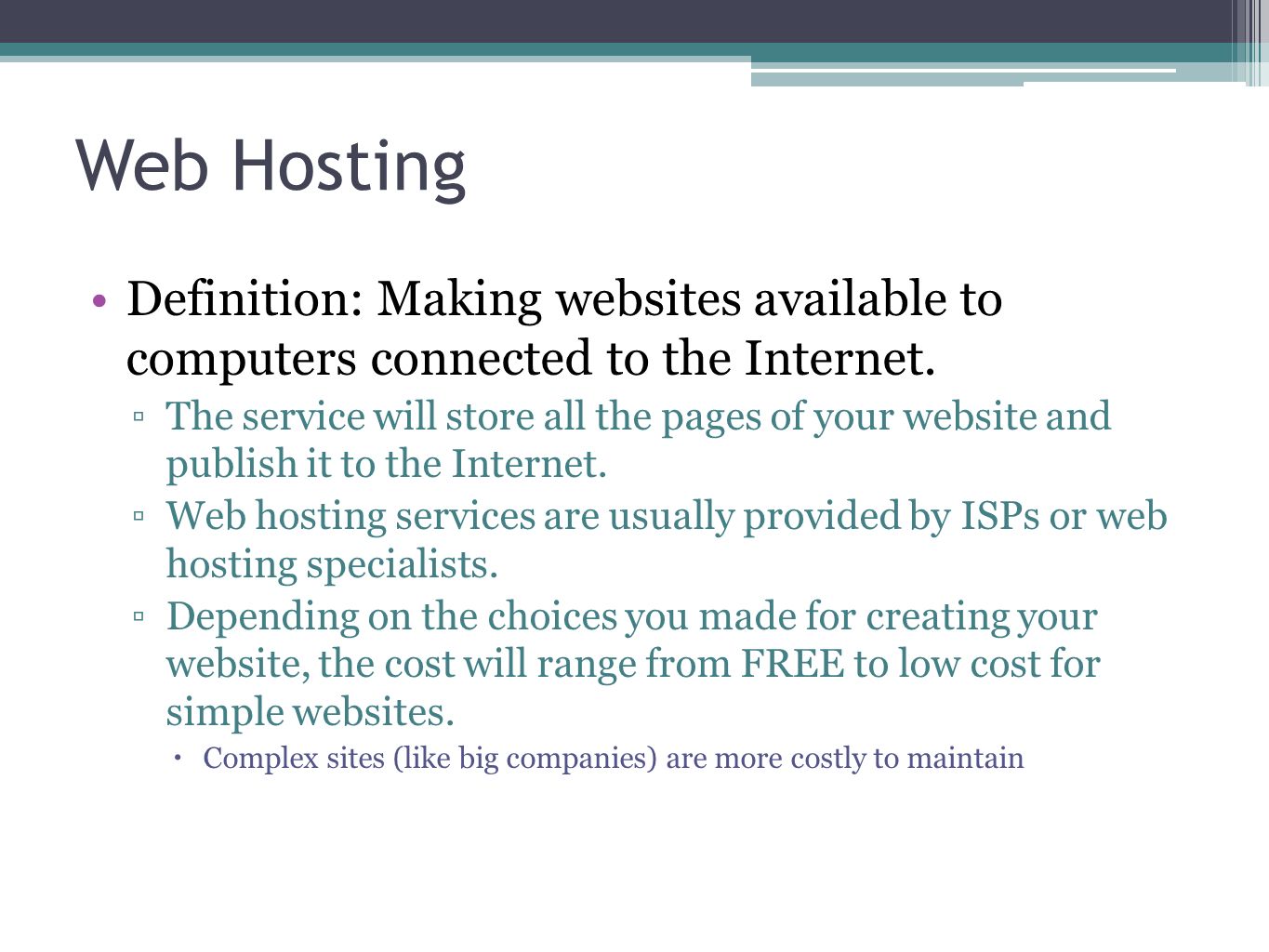
Web hosting is like renting space on the Internet. Websites live on computers called servers. These servers store your website files. They make your site available to visitors. Without hosting, your site can’t be seen online.
There are different types of hosting. Shared hosting is like sharing a room. Many sites live on one server. Dedicated hosting is like having your own house. Only your site lives on the server. VPS hosting is a mix of both. It’s like having a private room in a shared house.
Pick hosting based on your needs. Shared hosting is good for small sites. Dedicated hosting suits big sites with heavy traffic. VPS hosting fits medium sites needing more control. Compare prices and features. Choose wisely.

Credit: www.easysite.com
Types Of Web Hosting
Shared hosting is like sharing a house with others. Many websites use one server. This makes it a cheap option. But, there are some limits. If one site gets busy, others may slow down. It’s good for small sites. Not for big traffic.
VPS hosting gives more space. A Virtual Private Server is part of a bigger server. But it acts like its own server. It’s more secure than shared hosting. Also, it’s a bit more expensive. Good for growing sites.
Dedicated hosting means you get the whole server. It’s like owning a house. No sharing with others. It’s very fast and reliable. But, it’s costly. Best for big websites with lots of visitors.
Cloud hosting uses many servers. Your site can move between them. This makes it flexible. If one server fails, others help out. It’s good for sites with changing traffic. Also, you pay only for what you use.
Key Features Of Web Hosting
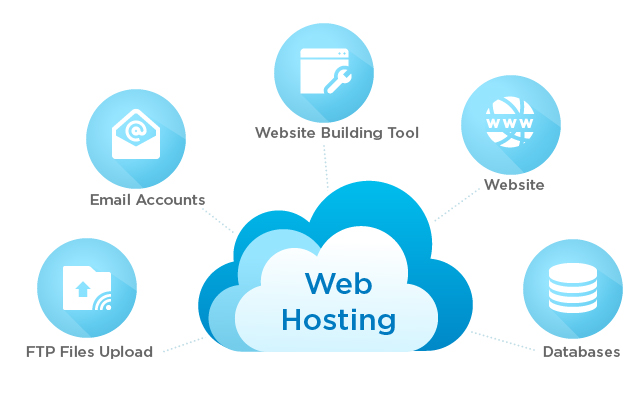
Web hosting provides storage for website files. These files include images, videos, and text. Bandwidth measures data transfer. More bandwidth means faster site access. Unlimited plans offer more freedom. They handle high traffic smoothly. This is key for growing sites.
Uptime shows how often a site is live. Hosts promise a certain uptime. 99.9% uptime is common. This means sites are almost always up. Reliable uptime keeps visitors happy. It prevents site downtimes. Downtimes can hurt business.
Security protects sites from threats. Hosts offer tools for safety. SSL certificates encrypt data. Firewalls block attacks. Regular backups save site information. These keep sites safe. Security builds trust with users.
Credit: petalhost.com
Choosing A Web Hosting Provider
Think about what your website needs. Is it small or big? Small sites need less space. Big sites need more space. Check how much traffic you expect. More visitors need more resources. Security is important too. Your site must be safe.
Look at different plans. Some are cheap. Some are costly. Shared hosting is cheap. You share with others. Dedicated hosting is costly. You get your own space. VPS hosting is in-between. It’s shared but more private. Choose what fits your budget.
Good support is important. Problems can happen anytime. 24/7 support is best. Check if they help by phone, chat, or email. Good support can save time. It helps fix issues fast. Choose a provider with helpful people.
Cost Considerations
Web hosting costs can vary. Some plans are cheap, while others cost more. It’s important to set a budget. Choose a hosting plan that fits your budget. Look for options that offer good value. Some hosting plans include extra benefits. Technical support and extra storage are common add-ons.
Watch out for hidden fees. Sometimes there are charges that are not clear. These can increase costs quickly. Read all the terms before choosing a plan. Look for details about extra costs. Some fees are for setup or maintenance. Others can be for canceling early. Knowing these fees helps you plan better. Stay informed and avoid surprises.
Credit: slideplayer.com
Future Of Web Hosting
Web hosting means storing website files on servers, making them accessible online. The future of web hosting involves faster, more secure services with cloud technology and AI integration, ensuring seamless user experiences.
Emerging Technologies
Web hosting is changing fast. Emerging technologies like cloud hosting are leading the way. Cloud hosting offers flexibility. You can scale up or down easily. It provides better security too. Artificial Intelligence (AI) is also important. It helps manage servers more efficiently. AI can predict issues before they happen. This saves time and money. Edge computing is another trend. It speeds up data delivery. This makes websites load faster. Faster websites mean happier users. Blockchain technology is being used for security. It ensures data integrity. This is crucial for sensitive information. Hosting companies are exploring these technologies. They want to provide better services to users.
Sustainability In Hosting
Hosting companies are focusing on sustainability. They use energy-efficient servers. These servers reduce carbon footprints. This helps the environment. Renewable energy is becoming common. Solar and wind power are popular choices. Hosting firms aim to be green. This attracts eco-friendly clients. Sustainable practices are good for business. They lower operating costs. This makes hosting more affordable. Clients prefer green companies. They want to support the planet. Green hosting is the future. It benefits everyone. Hosting companies are adopting these practices. They’re committed to a greener future.
Frequently Asked Questions
What Is Web Hosting In Simple Words?
Web hosting provides space on a server to store your website files. It makes your site accessible online. Hosting services manage server maintenance, security, and software updates. Reliable hosting enhances website speed and uptime. Choose a hosting plan based on your site’s needs and traffic.
Can I Run My Website Without Hosting?
You cannot run a website without hosting. Hosting provides the necessary server space and infrastructure. Use web hosting services to make your site accessible online. Hosting ensures your website is available and performs well for visitors.
What Are The 3 Types Of Web Hosting?
The three types of web hosting are shared hosting, VPS hosting, and dedicated hosting. Shared hosting shares resources among users. VPS hosting provides a virtual environment with dedicated resources. Dedicated hosting offers a server exclusively for one user, ensuring maximum control and performance.
Each type suits different needs and budgets.
What Is An Example Of A Web Host?
An example of a web host is Bluehost. It offers reliable hosting services and user-friendly features for websites. Popular for beginners and experts alike, Bluehost provides various hosting plans, domain registration, and 24/7 customer support, making it a preferred choice for many webmasters.
Conclusion
Understanding web hosting is key for online success. It provides storage space for your website files. Think of it as renting space on the internet. Choosing the right web host ensures your site runs smoothly. It impacts loading speed and uptime.
These factors affect user experience and search rankings. Always consider your site needs before deciding. Shared hosting is budget-friendly, while dedicated offers more control. Explore options and ask questions. A reliable host supports growth and security. Make informed decisions for your website’s future.
Happy hosting!


