
Choosing the right web hosting service is crucial for the success of your website. But how do you know which features are essential for your needs?
Picture this: your website loading in seconds, effortlessly handling thousands of visitors, and being secure from potential threats. Sounds ideal, right? We will walk you through the must-have features you should look for when selecting a web hosting service. Whether you’re a small business owner or a budding blogger, these insights will help you make an informed decision.
Stick with us, and you’ll discover how the right features can elevate your online presence. Ready to dive in? Let’s get started!
Types Of Web Hosting
Many websites use shared hosting. It is cheap. Multiple sites share one server. It is good for beginners. Limited resources mean slower speed. Great for small sites.
VPS hosting gives more control. It is like having your own space. It is faster than shared hosting. You get more resources. It costs more. Good for growing sites.
Dedicated hosting means one server for you. It is very powerful. You have full control. It is expensive. Best for big sites. Lots of visitors need this.
Cloud hosting is flexible. It uses many servers. Resources can grow easily. It is good for traffic spikes. Costs vary. Reliable for busy sites.
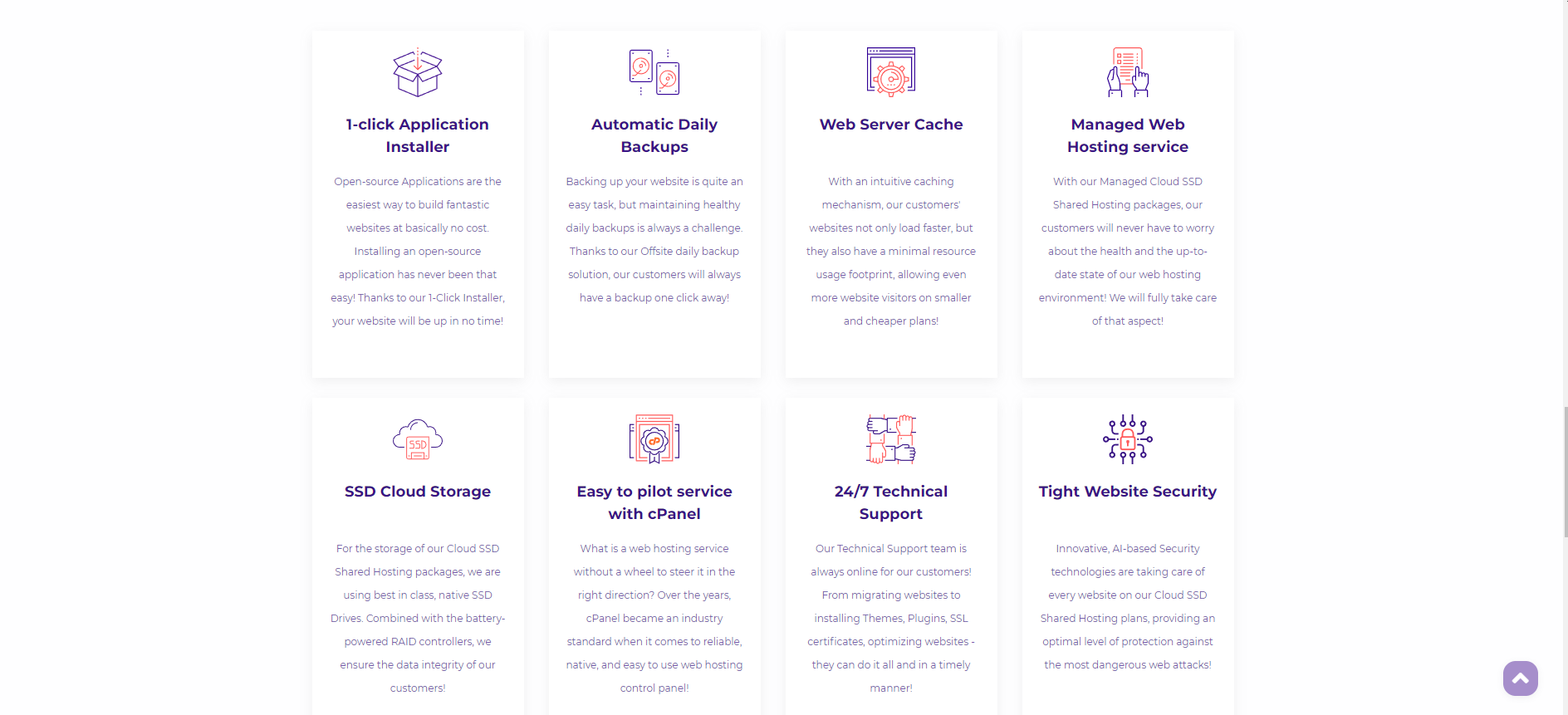
Credit: www.hostarmada.com
Essential Features
Every website needs storage space. It holds your website files. Enough space is crucial. More storage is better. Bandwidth is important too. It affects website speed. High bandwidth means fast loading. Slow websites frustrate visitors. People leave if it’s slow.
Websites should always be online. Uptime is the time your site is up. Good hosts have 99% uptime. This means little downtime. Less downtime means happy visitors. Always check the uptime guarantee. Reliable hosting is important. It keeps your site running.
Security is very important. Websites need protection. SSL certificates protect data. They keep information safe. Firewalls are essential too. They block bad traffic. Regular backups help recover data. Security gives peace of mind. Check for these features. Safety should be a priority.
Advanced Features
Web hosting must grow with your needs. Scalability lets you handle more visitors. It helps websites stay fast. Without this, your site may slow. Big sites need scalable hosting. This keeps everything running smoothly.
Backing up your site is crucial. Backup solutions protect data. They save files if something goes wrong. Lost data can be stressful. Backups restore sites quickly. Easy backups mean peace of mind.
A customizable control panel makes web hosting easy. Change settings to fit your needs. Simple panels save time. Users control everything in one place. This helps manage your website better. It is user-friendly and efficient.
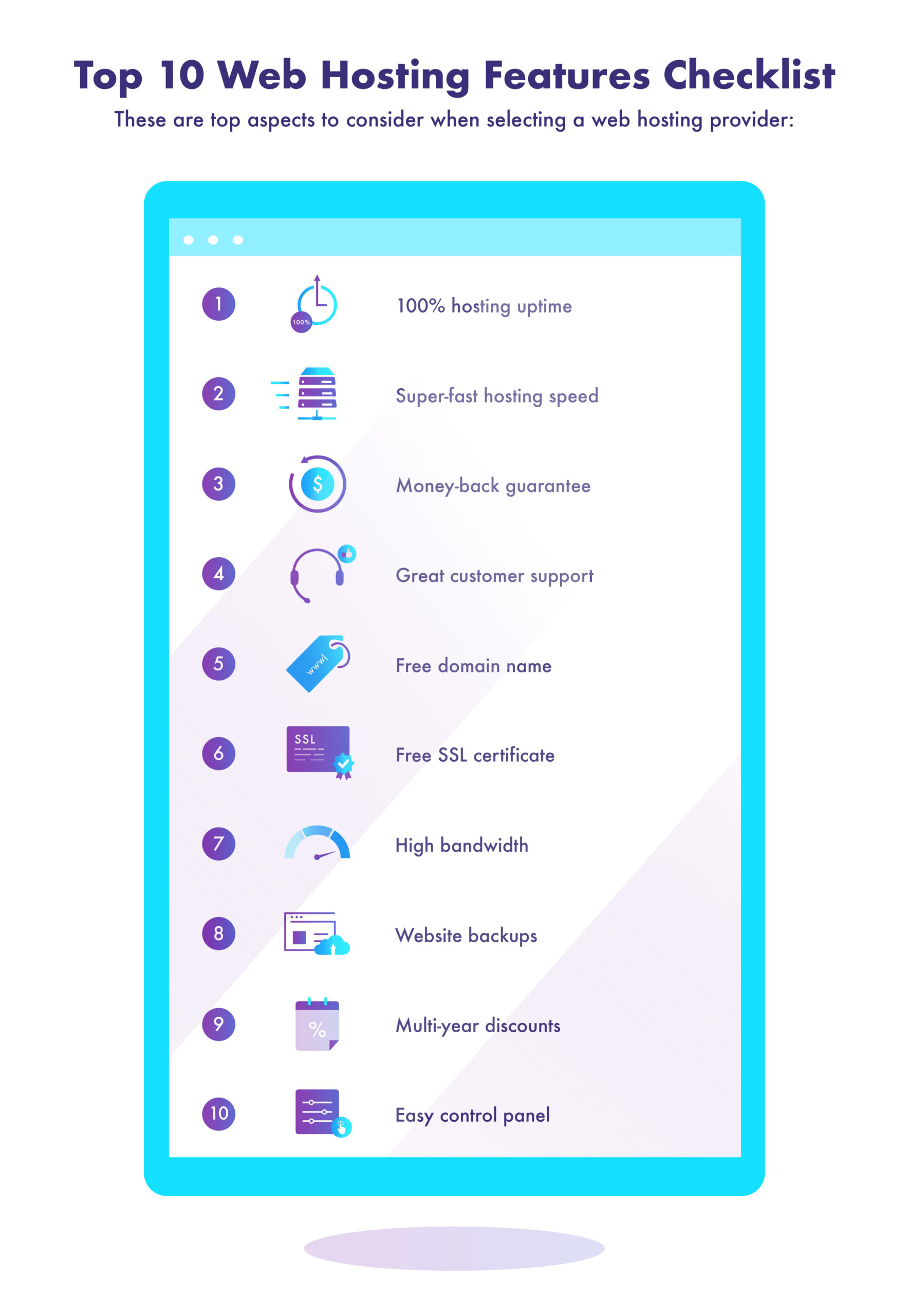
Credit: www.whatsthehost.com
Performance Enhancements
A Content Delivery Network (CDN) helps make websites load faster. It uses servers around the world. These servers store copies of your website. When someone visits, the closest server sends the data. This reduces loading time. A faster website keeps visitors happy and improves search engine ranking.
Caching saves copies of your website’s pages. This helps visitors see pages faster. The server works less. There are different types of caching. Browser caching stores files on a visitor’s computer. Server caching keeps data ready on the server. Both types help make a website quick and efficient.
Server locations matter for speed and reliability. Choose servers close to your audience. This ensures faster data delivery. Websites load quicker, keeping users engaged. Multiple server locations also help in case one server fails. Your site stays online and accessible.
Support And Customer Service
24/7 support availability is crucial for web hosting. Problems can happen anytime. Help must be ready. Day or night, experts should be available. This ensures quick problem solving. Customers feel safe and confident.
Access to a knowledge base is vital too. It provides information and guides. Users learn how to fix issues themselves. This saves time and boosts independence. A well-stocked knowledge base is a big asset.
Technical expertise is very important. Support staff should know their stuff. They need to handle complex problems easily. Good technical skills ensure fast solutions. This keeps websites running smoothly.
Cost Considerations
Pricing plans can vary a lot. Some are cheap, while others cost more. It’s important to compare options. Make sure you know what you are paying for. Some plans include extra features. Others may charge for each feature.
Always check for hidden fees. Some hosts add extra charges. These can surprise you later. Look for setup fees or renewal costs. Read the fine print. This can save you money in the long run.
Getting good value is important. You want quality service for your money. Ensure the host provides good support. Check if they offer a money-back guarantee. This shows they believe in their service. Choose a plan that meets your needs and budget.
User-friendly Interfaces
A user-friendly interface makes web hosting easy. Even for beginners. Simple dashboards help you manage your website. No need for technical skills. Just a few clicks and you are done. This saves time and effort. Making your hosting experience smooth.
CMS integration is important for many users. It allows you to install platforms like WordPress. Directly from your hosting account. This makes building sites much easier. No need to code from scratch. You can start creating content quickly. With the right tools at your fingertips.
Websites need to look good on all devices. Responsive design tools help with this. They ensure your site works on phones and tablets. Not just computers. These tools are often included in hosting plans. Helping you reach more visitors. Keeping your site modern and accessible.
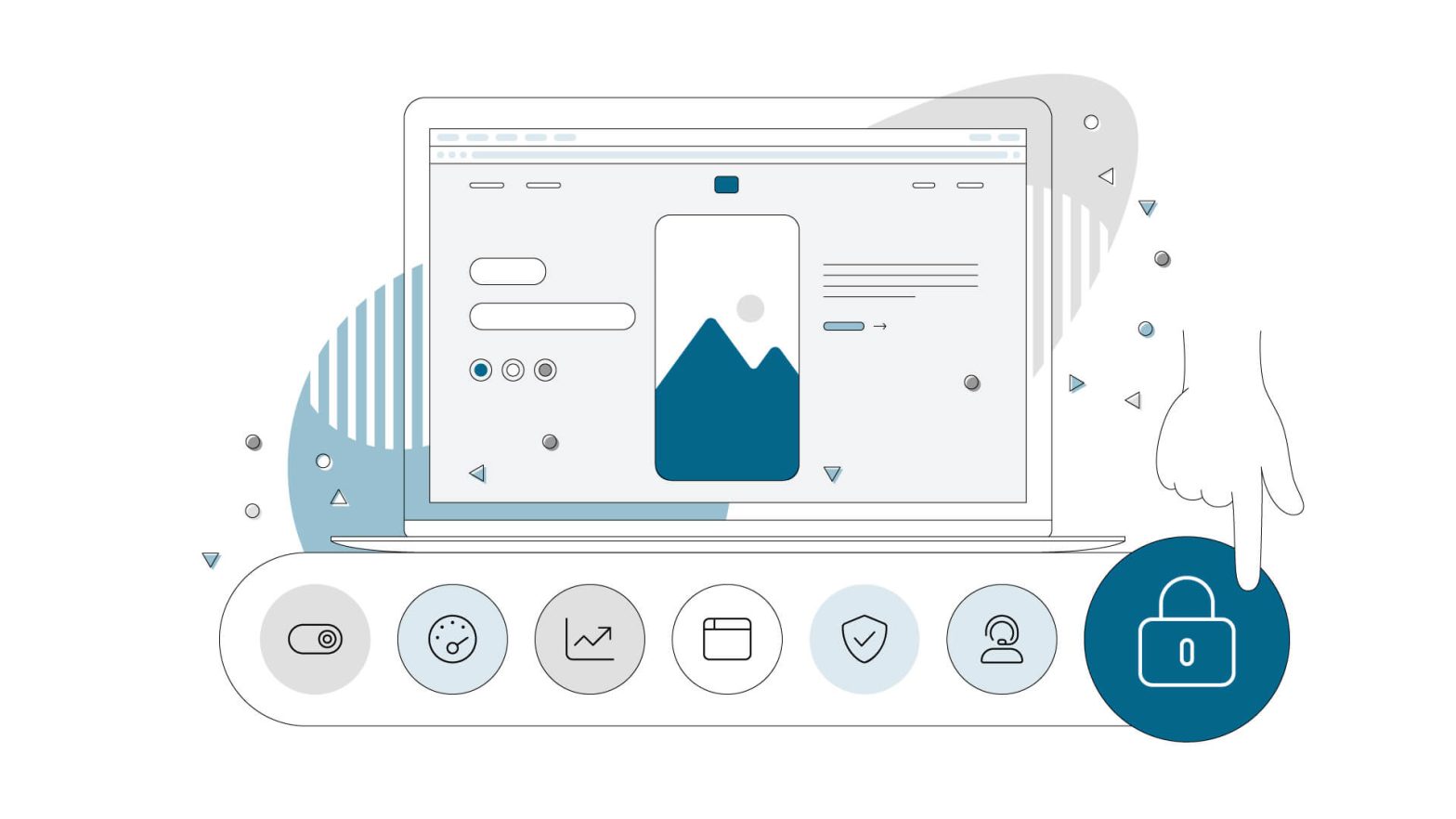
Credit: www.hostpapa.com
Frequently Asked Questions
What Are The Things Needed To Host A Website?
To host a website, you need a domain name, web hosting service, and website files. Ensure you have a content management system or website builder. Additionally, set up SSL certificates for security.
What Factors Should You Consider When Hosting A Website?
Consider server reliability, uptime, and speed for optimal performance. Ensure strong security features to protect data. Evaluate scalability options for future growth. Check customer support availability for troubleshooting. Compare pricing to match your budget.
What Are The 3 Types Of Web Hosting?
Web hosting types include shared hosting, VPS hosting, and dedicated hosting. Shared hosting is cost-effective and ideal for beginners. VPS hosting offers more resources and flexibility. Dedicated hosting provides full control and is suitable for large websites. Choose based on your website’s needs and budget.
Which Features Of A Web Server Will You Consider Before Hosting A Web Site On It?
Choose a web server with reliable uptime, strong security features, and excellent customer support. Ensure it offers sufficient bandwidth and storage. Verify compatibility with your website’s requirements and software. Select one with easy-to-use control panels and scalability options. Prioritize performance for optimal user experience.
Conclusion
Choosing the right web hosting features is crucial. Speed ensures quick loading times. Security protects your data and site. Reliable uptime keeps your website available. Scalability supports growth as your traffic increases. User-friendly control panels simplify management. Backups prevent data loss and provide peace of mind.
Customer support assists in solving issues swiftly. Pricing should align with your budget without hidden costs. Each feature plays a significant role in your website’s success. Consider your needs carefully. Make informed decisions to enhance your online presence. A well-chosen hosting service sets the foundation for a thriving website.


