
Have you ever wondered what it really means to get web hosting? Whether you’re looking to launch a personal blog, start an online business, or simply create a space on the internet, web hosting is a term you can’t ignore.
Picture this: your website is like a house, and web hosting is the land it sits on. Without it, your digital dreams have nowhere to live. Imagine having your website accessible to anyone, anytime, anywhere. This is what web hosting does for you.
It provides a place for your site to exist and thrive. But with so many options out there, how do you know which one is right for you? And what exactly are you paying for when you sign up for web hosting? You’ll discover the ins and outs of web hosting. You’ll learn why it’s crucial for your online presence and how choosing the right web hosting can make a big difference in your website’s performance. Let’s unlock the secrets of web hosting together and empower your online journey. Dive in, and find out how web hosting can turn your digital ideas into reality.

Credit: www.godaddy.com
Basics Of Web Hosting
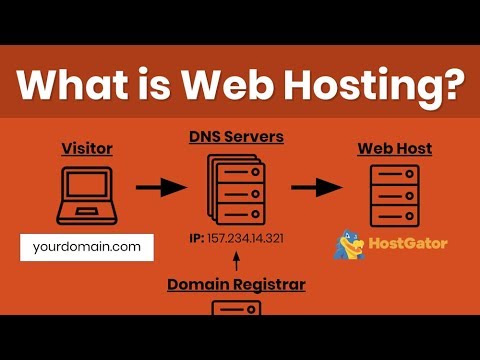
Web hosting is a service that lets people put websites online. Hosting companies give users space on their servers. This space is where website files live. Without hosting, websites can’t be seen online. Hosting makes sure sites are up all the time. It keeps sites safe and fast. Hosting companies handle technical stuff.
Web hosting is key for website visibility. It helps businesses reach more people. Hosting makes sites reliable. It keeps them up 24/7. People can visit sites anytime. A good host makes sites load fast. Fast sites are important. They keep visitors happy. Hosting also keeps sites safe. It protects them from hackers. Safety is crucial for trust.
Types Of Web Hosting
Choosing web hosting is about storing your website’s data on a server. Shared hosting is affordable and fits small sites. VPS hosting offers more resources and control. Dedicated hosting gives full server access for high traffic sites.
Shared Hosting
Shared hosting is like sharing a room. Many websites use the same server. Costs are low. This option is great for small websites. Resources are limited. Performance might be affected if others use too much.
Vps Hosting
VPS stands for Virtual Private Server. This is a step up from shared hosting. More control and resources are available. You get a virtual space on a server. It’s like having your own section in a library. Suitable for medium-sized websites.
Dedicated Hosting
Dedicated hosting means you get the whole server. It’s like owning a house. Best performance and security. More expensive than other options. Ideal for big websites or businesses. You have full control over resources.
Cloud Hosting
Cloud hosting uses many servers. Your website is spread across these servers. Reliable and scalable. Easy to add more resources. Costs depend on usage. Great for growing websites. Offers flexibility and power.
Key Features Of Web Hosting
Web hosting gives you space to store your website files. This is called storage. You need enough storage for all your site data. Bandwidth is how much data you can send to visitors. It’s like a road; more lanes mean more cars can travel. More bandwidth lets more people visit your site at once. Both storage and bandwidth are important for a smooth website experience.
Uptime means your site is online and working. A good host has high uptime. It should be at least 99.9%. This means your site is almost always available. Reliability is when your site works well all the time. Choose a host that people trust. They should have a good track record.
Websites need to be safe. Hosts offer security features to protect your site. This can include firewalls and SSL certificates. Firewalls keep bad guys out. SSL certificates keep data safe. These features help keep your website secure and protect your visitors.
Choosing A Web Hosting Provider
Choosing a web hosting provider can be tricky. Consider their reputation and reliability. A good host should have a strong uptime record. This means your website stays online. Look for positive reviews from users. These can tell you if the service is good.
Web hosting plans come in different sizes. Some are cheap, while others cost more. Check what each plan offers. Does it have enough storage and bandwidth? Some plans give free domains. Others may offer SSL certificates. Choose a plan that fits your needs and budget.
Good customer support is very important. You might face problems sometimes. 24/7 support can be a lifesaver. Check if the provider offers live chat or phone support. Some also provide online tutorials and FAQs. These can help solve minor issues on your own.
Setting Up Your Website
Your website needs a domain name. This name is your website’s address on the internet. Choose a name that is easy to remember. Domains can end in .com, .net, or other endings. You must register your domain with a domain registrar. This is like renting a space on the web. Keep your domain safe and secure.
A Content Management System (CMS) helps you manage your website. Popular options include WordPress, Joomla, and Drupal. CMS lets you add text, images, and videos easily. It makes website design simple. Installing a CMS requires just a few clicks. Most web hosts offer easy installation tools. CMS is important for keeping your site updated.
Website settings let you control how your site works. You can set site language and privacy options. Choose a theme that fits your style. Adjust colors and fonts to match your brand. Settings help your site run smoothly. It’s easy to change settings later if needed. Make sure to save changes after you adjust them.
Common Challenges In Web Hosting
Websites may not work sometimes. This is called downtime. Downtime can make users unhappy. It can also hurt businesses. People might leave your site and not come back. Always check your hosting provider’s uptime guarantee. This tells you how often your site could be down.
Websites face many security threats. Hackers can try to steal information. They might even crash your site. Choose hosting with strong security features. Look for things like firewalls and SSL certificates. These tools help keep your site safe.
Websites can grow over time. More users visit and more data gets stored. Scalability means your site can handle this growth. Some hosting plans can’t scale well. This can slow your site down. Pick a plan that allows easy upgrades. This helps your site run smoothly.
Future Of Web Hosting
New tech makes web hosting better. AI helps servers work faster. Blockchain keeps data safe. Servers can learn and improve. Websites load quicker now. Virtual Reality can change how we see sites. Hosting is getting smarter. Smart tech helps businesses grow. Websites feel more real and fun. Smart tech makes hosting easy. This helps businesses a lot.
Web hosting now uses green energy. This helps the Earth. Solar and wind power run the servers. Green hosting is important. Less pollution means a cleaner planet. Hosting with green energy costs less. It also saves resources. This trend is growing fast. People want clean energy. Green hosting is a good choice. It helps everyone.
Credit: www.youtube.com

Credit: www.hostinger.com
Frequently Asked Questions
What Do You Mean By Web Hosting?
Web hosting refers to providing storage space and access for websites on servers. It allows users to publish their websites online. Hosting services include server maintenance, security, and technical support. Various types include shared, VPS, and dedicated hosting, each catering to different needs and budgets.
How Much Does Website Hosting Cost?
Website hosting costs vary from $3 to $300 monthly. Shared hosting is cheaper, while dedicated servers are pricier. Consider your website’s needs and budget when choosing a hosting plan. Compare services for the best value.
Do I Really Need A Host For My Website?
Yes, hosting is essential for your website to be accessible online. It stores your site’s data securely, ensuring visitors can access it. Without hosting, your website won’t be live on the internet. Choose a reliable host to enhance performance, security, and user experience.
Can I Run My Website Without Hosting?
A website needs hosting to be accessible online. Hosting stores and serves your site’s files to visitors. Without it, your website can’t go live or reach users. Choose reliable hosting for efficient performance and security. Hosting is essential for running a functional website.
Conclusion
Choosing the right web hosting is crucial for your website’s success. It affects speed, security, and reliability. A good host ensures your site is always accessible. They provide support when you need it. Consider your needs before deciding. Budget, traffic, and features matter.
Research and compare hosting plans. Select one that fits your goals. Remember, a reliable host makes your online presence stronger. With the right choice, your website can thrive. Take your time, and choose wisely. Your website deserves the best support.


