
Have you ever wondered what web hosting bandwidth means and why it’s crucial for your website? If you’re setting up your first website or looking to optimize an existing one, understanding bandwidth is key to ensuring a smooth online experience for your visitors.
Picture this: your website is a bustling highway and bandwidth is the number of lanes available. More lanes mean more traffic can flow smoothly without bottlenecks. But, what happens if you underestimate your needs? Your website could slow down or even crash, leaving your visitors stuck in virtual traffic.
Wouldn’t you want to avoid that? Stick around as we unravel the mystery of web hosting bandwidth, empowering you with the knowledge to keep your website running efficiently.
Credit: www.elegantthemes.com
Web Hosting Bandwidth Basics
Bandwidth is like a road for your website. It decides how much data can travel. Think of it as lanes on a highway. More lanes mean more cars. Websites with more visitors need more bandwidth. Otherwise, they slow down or crash.
Every time someone visits, data moves. Pictures, text, and videos all use bandwidth. If a site has many pictures, it uses more. It is like a busy road at rush hour. More traffic means more use.
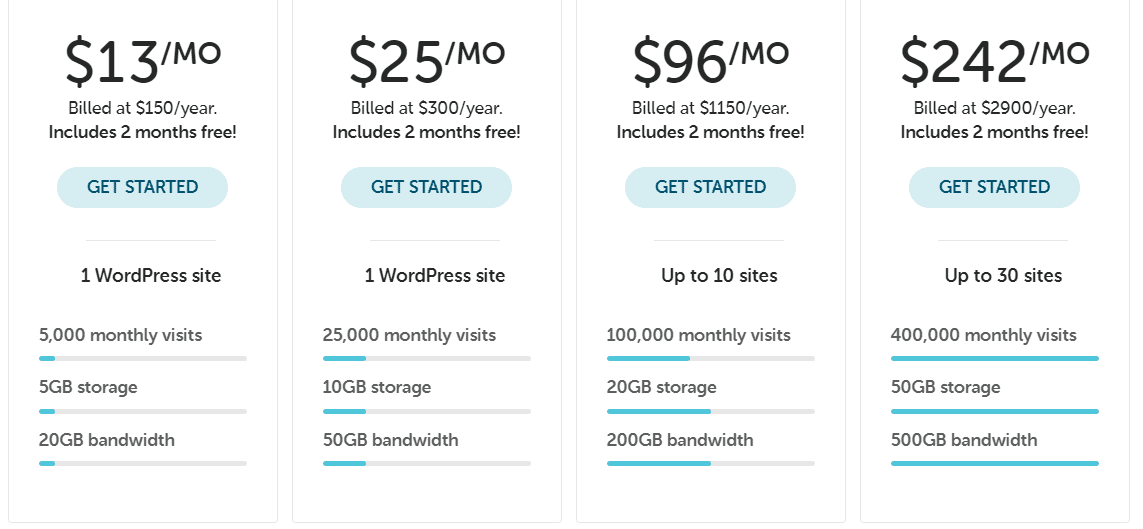
Hosts offer different plans. Some have limited bandwidth. Others provide unlimited. Choose based on your site’s need. Check how much you really need. Paying for too much is wasteful. Too little slows your site. Find the right balance for your site.
Credit: kripeshadwani.com
How Bandwidth Impacts Website Performance
Bandwidth affects how fast a website loads. More bandwidth means quicker loading times. A site with low bandwidth might load slowly. This can annoy visitors. They might leave your site. Fast loading is crucial for happy users.
Bandwidth plays a role in user experience. A site should be smooth and easy to use. Low bandwidth can make pages lag or crash. This leads to frustration. Users want instant access to information. They prefer sites that respond quickly.
Bandwidth And Data Transfer
Bandwidth is the amount of data your website can handle. It measures how much data passes through the server. It’s like a road’s width. More bandwidth means more cars can pass. Data transfer is the actual amount of data used. It’s how much data moves from the server to users. Think of it as the cars on the road. Bandwidth is about potential. Data transfer is about actual usage.
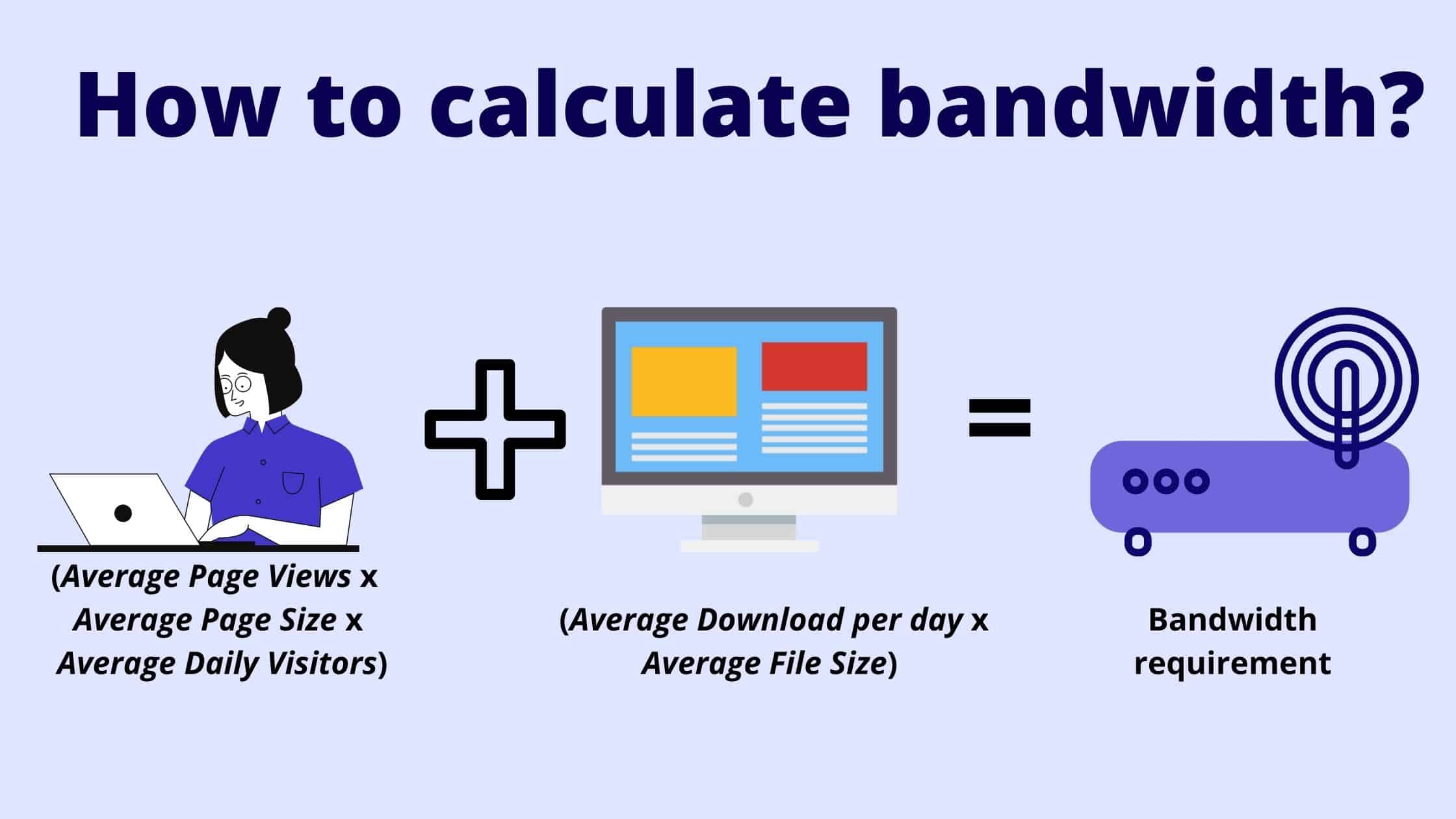
Calculating data usage helps you understand your needs. Check your website’s size. Images, videos, and text count. Multiply size by visitor count. More visitors mean more data used. Watch your monthly usage. Compare it with your hosting plan. Ensure your plan can handle your data needs.

Credit: www.elegantthemes.com
Types Of Bandwidth In Web Hosting
Metered bandwidth tracks how much data your site uses. You have a limit. If you exceed this, extra charges apply. Think of it like your phone data plan. You pay for how much you use. This option is common. It’s good for sites with steady traffic.
Unmetered bandwidth doesn’t count data usage. You have freedom. Use as much as you need. Your site won’t face extra charges. This is like having unlimited internet at home. Perfect for growing sites. No worry about sudden traffic spikes.
Choosing The Right Bandwidth For Your Website
Picking the right bandwidth is important for your website. Bandwidth is how much data your site can handle. More visitors need more bandwidth. Less bandwidth means your site can slow down. So, think about how many visitors you expect. A busy site needs lots of bandwidth.
Know your website needs before choosing bandwidth. Check your site’s size. Big sites need more bandwidth. Also, think about media like videos or pictures. They use more bandwidth. Plan for future growth. Your site may get more visitors later.
Bandwidth can change as your site grows. You can start small and increase later. Many hosting services let you scale bandwidth. This helps your site run smoothly as it grows. Always have enough bandwidth for peak times. This keeps your visitors happy.
Common Bandwidth Challenges
Web hosting bandwidth refers to the data transfer between your website and users. Common challenges include slow loading times and server overloads, affecting user experience and site performance. Managing bandwidth effectively ensures smooth access and reduces downtime.
Traffic Spikes
Sudden increases in website visitors can cause problems. Websites may load slowly or even crash. This happens when too many users visit at once. Web hosting servers might not handle the surge. It affects user experience negatively. Planning for these spikes is crucial. Use tools to predict busy times. Optimize your site to handle more traffic. Consider upgrading your hosting plan if needed. This can help avoid issues during peak times.
Overage Fees
Using more bandwidth than your plan allows can be costly. Overage fees occur when you exceed limits. These fees can add up quickly. Always monitor your usage regularly. Choose a hosting plan with ample bandwidth. This can help avoid surprises. Some hosts offer unlimited plans. Read the terms carefully before choosing. Make sure it suits your needs. Control your usage to save money.
Tips For Bandwidth Optimization
Use Content Delivery Networks (CDNs) to make websites faster. CDNs store files close to users. This reduces the load on the main server. It also speeds up page load times. This way, visitors get a better experience. CDNs help reduce bandwidth costs. They are a smart choice for big websites.
Efficient coding keeps websites light. Light websites use less bandwidth. Use clean and simple code. Remove unnecessary elements. This makes the website faster. Minimize the use of large images. Use smaller file formats. This saves bandwidth and makes the site load quickly.
Frequently Asked Questions
What Is The Meaning Of Bandwidth In Web Hosting?
Bandwidth in web hosting refers to the data transfer capacity between your website and visitors. It’s measured in bits per second. High bandwidth ensures faster website loading and better user experience. Web hosting plans offer different bandwidth limits, so choose according to your website’s needs.
Exceeding limits can slow performance.
What Is Web Hosting Bandwidth?
Web hosting bandwidth measures data transferred between your website and visitors. It affects loading speed and site performance. Adequate bandwidth prevents slowdowns and outages, ensuring smooth user experience. Hosting plans often specify bandwidth limits, impacting website capacity and scalability. Choose a plan matching your site’s traffic and growth needs.
What Is Good Bandwidth For A Website?
Good website bandwidth ranges from 10 to 100 Mbps for optimal performance. Higher bandwidth supports more visitors and faster loading. Assess your site’s traffic and multimedia needs to determine the best bandwidth. Regular monitoring ensures seamless user experience and improved SEO rankings.
Choose hosting plans offering scalable bandwidth options.
What Is The Bandwidth Of Hosting?
Bandwidth in hosting refers to the data transfer rate from your website to users. It determines how much data can be transmitted over a specific period. Higher bandwidth allows more traffic and data exchange, ensuring faster loading times and a better user experience.
Conclusion
Understanding web hosting bandwidth is crucial for your site’s performance. It affects speed and accessibility. Choose wisely to ensure smooth user experience. Calculate your needs based on traffic and content. Avoid overpaying for unused bandwidth. Monitor usage regularly to prevent downtime.
Opt for scalable plans for future growth. Remember, bandwidth impacts site success. It directly influences user satisfaction. Make informed decisions to enhance your online presence. Stay aware of your hosting plan’s limits. Adapt as your website evolves. Prioritize efficiency and reliability.
Keep visitors engaged with fast loading times. Plan bandwidth strategically for best results.


