
Imagine you’re launching your website, ready to reach audiences across the globe. You want everything to be perfect—the design, the content, and most importantly, the web hosting.
But there’s one crucial question that often gets overlooked: does the server’s location actually matter? If you’ve ever wondered how server location impacts your site’s speed, security, and SEO, you’re not alone. This article is here to demystify the complexities of international web hosting issues, helping you make informed decisions that can elevate your website’s performance and reach.
By the end, you’ll have a clear understanding of whether server location should be a priority in your web hosting strategy. Dive in and discover how this seemingly small detail can make a big difference for your online presence.
Global Web Hosting Challenges
Websites must load fast for users. Latency affects how quick a site is. If a server is far, it takes longer to load. This can make users leave quickly. A nearby server helps reduce wait times. Fast sites keep people happy and engaged.
Search engines prefer fast-loading websites. Slow sites rank lower in results. Server location can affect speed and SEO rankings. Using servers close to users helps. This improves site visibility on search engines. Websites need good speed for better rankings.
Data privacy is a big issue today. Different countries have different rules. Where a server is can affect data laws. Keeping data safe is very important. Users want their info protected. Choosing the right server location is key for privacy.
Credit: nitropack.io
Server Location Impact
Proximity to Target Audience affects website speed. Closer servers mean faster load times. Users dislike slow websites. Fast websites keep users happy. Search engines rank fast websites higher. Local servers help with faster data delivery.
Local Regulations and Compliance are crucial for hosting. Every country has different laws. Some countries require data to stay local. Hosting in the wrong place can break rules. Breaking rules can lead to fines. Choose server locations wisely. Follow local laws and regulations.
Cultural and Language Considerations are important for global sites. Different regions have unique cultures. Language impacts user experience. Hosting near users helps with language settings. Local servers help with cultural relevance. Users feel more connected to familiar sites.
Performance Factors
Server location can impact website speed and performance for international audiences. Closer servers often mean faster load times. Consider server placement carefully for better user experience globally.
Network Infrastructure
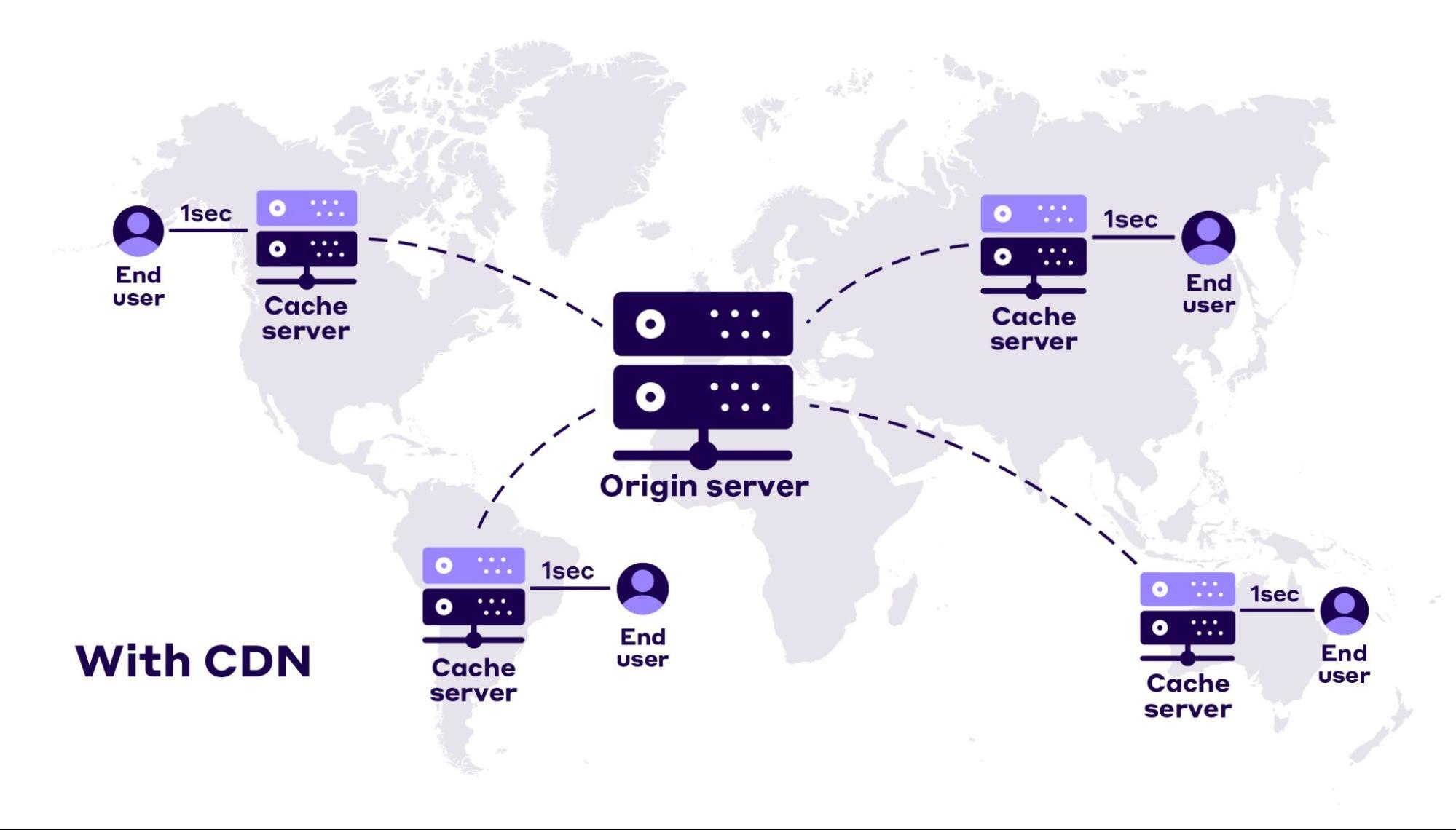
Strong network infrastructure boosts website speed. Servers near users mean faster access. Connections are quicker with local servers. Faraway servers slow things down.
Content Delivery Networks (cdns)
CDNs help deliver content swiftly. They store data in multiple locations. This minimizes the distance data travels. Users get content faster. CDNs make browsing smooth.
Bandwidth Availability
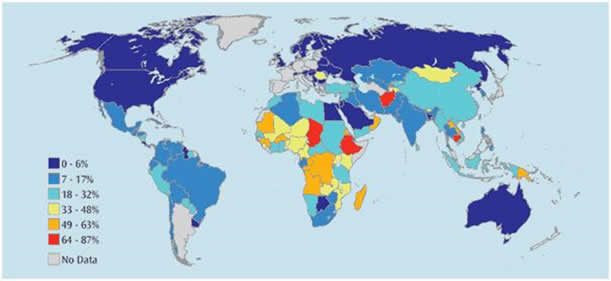
Bandwidth decides how much data moves at once. More bandwidth means quicker loading. Limited bandwidth slows websites. High bandwidth ensures smooth browsing.
Credit: www.appliedi.net
Security Implications
Web servers face many threats. Hackers try to steal data. They use bad software called malware. These threats can cause big problems. Websites can go down. Or worse, data can be lost. Good security stops these threats. Strong firewalls and antivirus help a lot. They keep servers safe. Regular updates are also key. They fix bugs and stop attacks.
Different places have different rules. Some regions have strong security standards. Others do not. It is important to know these rules. They help protect data. In some areas, rules are strict. They need special certifications. These include ISO and PCI DSS. Following these helps keep sites safe. It builds trust with users too.
Data sovereignty means data stays in its country. Some countries have strong data laws. They make sure data is safe. This is important for privacy. Companies must follow these laws. Breaking them can lead to fines. It also affects user trust. So, choosing the right server location matters. It keeps data safe and legal.
Cost Considerations
Web hosting has different pricing models. Some charge monthly, others yearly. Choose what fits your budget. Monthly plans offer flexibility. Yearly plans can be cheaper. Always check what is included. Some plans offer more features. Others are basic.
Watch out for hidden costs. Some hosts charge extra for backups. Others for domain names. Be careful with setup fees. These can surprise you. Read the fine print before buying. It saves money.
Good hosting gives value for money. Check reviews to know more. Look for uptime and speed. These are important. Support should be helpful. Choose a host that gives more for your money.
Choosing The Right Server Location
Assessing business needs is very important. Think about where your customers live. A server close to them is better. It makes your website load faster. A fast website keeps users happy. It also helps your site rank higher in search results.
Before evaluating hosting providers, check their server locations. Make sure they have servers near your target audience. It’s also good to know their reputation. Read reviews from other users. This helps you choose the best provider for your needs.
Balancing cost and performance can be tricky. Cheap hosting might save money. But it may slow down your site. A slow site can lose visitors. Paying a bit more can be worth it. It can give you faster speeds and better service.

Credit: contabo.com
Frequently Asked Questions
Does Hosting Server Location Matter?
Yes, hosting server location matters. It affects website speed and SEO rankings. Choose a server close to your target audience. This improves loading times and user experience. Fast-loading sites rank better in search engines. Consider local data regulations for compliance.
Does It Matter Which Country My Website Is Hosted In?
Yes, hosting location impacts website speed and user experience. Choose a server close to your target audience. Search engines might also consider server location for local SEO. Thus, selecting the right hosting country can enhance performance and improve search rankings.
What Is The Best Server Location For Web Hosting?
Choose a server location close to your target audience for faster load times. This improves user experience and SEO rankings. Consider data privacy laws, latency, and local regulations when selecting the location. Popular options include North America, Europe, and Asia, depending on your audience’s geographical concentration.
Does It Matter Where You Host Your Website?
Yes, hosting location impacts website speed, SEO ranking, and user experience. Choose a reliable host near your target audience. Consider factors like security, customer support, and server uptime. A good hosting provider enhances performance and ensures accessibility, contributing to better search engine visibility and engagement.
Conclusion
Server location plays a crucial role in web hosting. It affects speed, security, and SEO. A nearby server means faster load times for users. This improves user experience. Search engines prefer faster sites. Local laws can also impact data security.
So, choosing the right server location matters. Consider your audience’s location carefully. Pick a hosting provider with servers close to your users. This decision can enhance your website’s performance. It can boost your site’s visibility. Ultimately, it helps in reaching your audience effectively.


