
Imagine this: You’ve just finished creating a fantastic website that perfectly represents your brand or personal project. But now, you’re faced with a crucial question – how do you get it online for everyone to see?
This is where a web hosting site comes into play. But what exactly does a web hosting site do, and why is it essential for your website’s success? This article is designed to unravel the mystery behind web hosting and show you its vital role in making your website accessible to the world.
By understanding the functions of web hosting, you’ll gain valuable insights into how you can enhance your website’s performance and reliability. Stay with us, and discover how the right web hosting can be a game-changer for your online presence.
Types Of Web Hosting
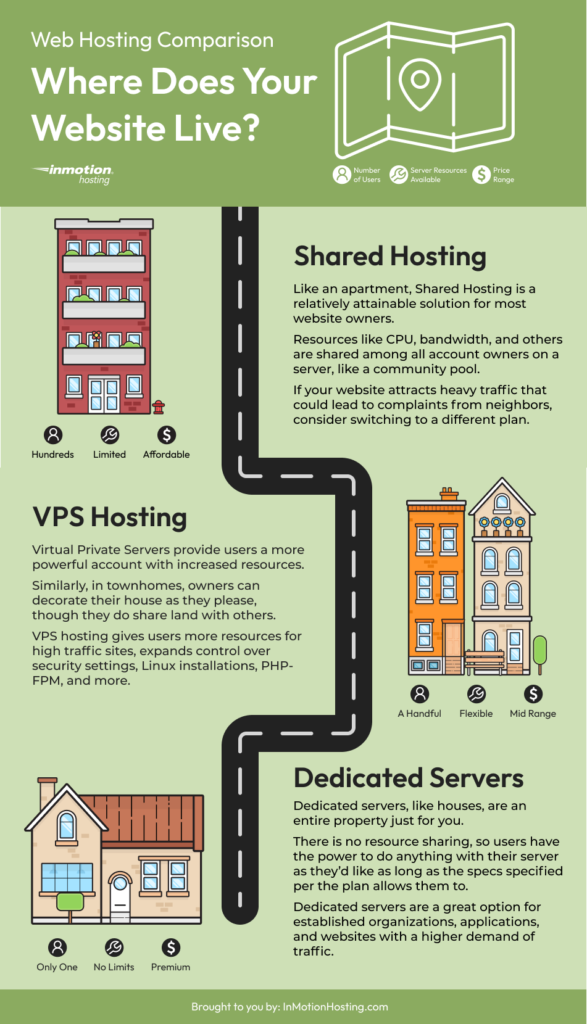
Shared hosting is like sharing a room. Many websites use one server. It’s cheap and easy for beginners. But, it can be slow. If one site gets busy, others slow down. Good for small sites with few visitors.
VPS hosting gives more control. It’s like renting an apartment. Websites share a server but have their own space. More power than shared hosting. It’s faster and more secure. Good for growing sites.
Dedicated hosting is having your own house. One server for one website. It’s very fast and secure. Best for big websites with many visitors. It costs more but gives full control.
Cloud hosting uses many servers together. It’s flexible like a cloud. If one server fails, others help. It’s fast and reliable. Good for sites with changing traffic.

Credit: www.godaddy.com
Features Of Web Hosting
Web hosting sites provide storage for your website files. Bandwidth is the data transferred. More storage means more files. More bandwidth allows more visitors. It’s like a bigger space for more people.
Keeping websites safe is a must. Security measures protect from hackers. They stop bad people from harming your site. Firewalls and SSL certificates help a lot. They make sure your site is safe.
Backups save copies of your website. These copies are very important. If something goes wrong, you can restore it. It’s like having an extra copy of a school project. Backups keep your data safe.
Customer support helps when you have problems. They answer questions and fix issues. Support is usually available 24/7. This means help is always there. Good support makes everything easier.
Role Of A Web Host
A web host keeps websites running smoothly. They manage servers where sites live. If a site needs more space, the host adds it. Security is a big part of their job. They make sure hackers stay out. If a server breaks, they fix it fast.
Every website needs a name. The web host helps pick and register a name. They keep track of the registration. If a name expires, the host renews it. They make sure the name is unique. No two sites can have the same name.
Email hosting is also important. The host offers email services for businesses. They create email accounts for teams. These emails use the website name. The host ensures emails are safe. They keep out spam and viruses.
Choosing The Right Hosting Provider
Understanding your website’s needs is very important. Some sites need more storage. Others need speed. Think about your site’s content. Is it a blog or an online store? Each has different needs. Choose a host that fits your specific needs.
Costs can vary a lot between hosts. Some offer cheap plans. Others are expensive. Look at what is included. Some plans have hidden fees. Always check for extra charges. A good plan offers value for money.
Reliability is key for any website. A site should be up and running always. Check the host’s uptime guarantee. Look at customer reviews. A reliable host keeps your site online. It also offers good support. This helps if you face any issues.
Benefits Of Web Hosting
Web hosting helps websites work faster. Pages load quickly. Users stay happy. Slow pages make visitors leave. Fast pages keep visitors longer.
Web hosting grows with your website. More visitors? No problem. Hosting handles extra traffic. Small or big, your site stays strong. Flexible plans help your site grow.
Web hosting keeps your site safe. Protects from hackers. Stops viruses. Keeps data secure. Your site stays up and running. Security is a top priority.

Credit: www.lashmar.media
Common Challenges In Web Hosting
Downtime is a big problem for websites. It means your website is not online. This can cause you to lose visitors. People might get upset and go to other websites. Keeping a website up is important.
Some web hosts offer limited resources. This means your website might run slow. Too many visitors can make the site crash. It’s like having a small room for a big party.
Good technical support is very important. Some hosting services have slow support. This can be a big problem if your site has issues. You need quick help to fix problems fast.
Future Of Web Hosting
Web hosting sites store website files on servers, making them accessible online. They provide the technology needed for website operation. As digital demands grow, web hosting evolves to offer faster, more secure, and scalable solutions.
Emerging Technologies
Web hosting is changing fast. Emerging technologies like cloud computing make hosting more efficient. Artificial Intelligence is helping in managing servers better. Automation reduces human errors. These changes make websites run smoothly.
Sustainability Trends
Sustainability is important now. Hosting sites use green energy to lower carbon footprints. They adopt eco-friendly practices. Energy-efficient servers save power and reduce waste. These actions help protect our planet.
Personalized Hosting Solutions
Personalized solutions are popular. Users get hosting plans that fit their needs. Custom features are available for different websites. This ensures better site performance. Flexible options cater to businesses and individuals alike.
Credit: www.inmotionhosting.com
Frequently Asked Questions
What Is The Purpose Of Web Hosting?
Web hosting provides online space for websites, ensuring they are accessible on the internet. It stores website files, manages server resources, and facilitates smooth user access. Reliable hosting enhances website performance, security, and uptime. It’s essential for businesses and individuals wanting an online presence.
What Does A Web Hosting Platform Do?
A web hosting platform stores website files, making them accessible online. It provides server space, bandwidth, and support. Web hosting ensures your site runs smoothly and is available to users globally. Different hosting types cater to varying needs, from shared hosting to dedicated servers, optimizing performance and security.
Why Do I Need A Website Host?
A website host stores your site’s files and makes them accessible online. It ensures site reliability, speed, and security. Hosting providers offer technical support and resources, improving user experience. Without hosting, your website cannot be displayed on the internet, limiting access and visibility for potential visitors.
What Can I Do With Web Hosting?
With web hosting, you can launch a website, manage content, and access email services. It allows you to store files, run applications, and enhance online visibility. You can also use it to maintain databases, ensure site security, and provide a smooth user experience.
Conclusion
Web hosting is vital for any online presence. It stores your website’s files. Ensures they are accessible to users anytime. Different hosting types suit various needs. Shared hosting is budget-friendly. VPS offers more control. Dedicated hosting provides maximum resources. Choose based on your website’s requirements.
Reliable web hosting improves site speed. Enhances user experience and boosts SEO ranking. It’s essential for website security. Prevents data loss and attacks. Consider support and uptime guarantees. These factors ensure seamless operation. Investing in good hosting is crucial. Helps your website grow and succeed online.


