
You’ve decided to claim your spot on the web, and you’re thrilled about your new domain name. But now you’re wondering, does a domain need web hosting?
This question might seem like a techy puzzle, but it’s simpler than you think. Imagine your domain as a street address. It tells people where to find you online. But without a physical space—your actual website—people can’t see what you have to offer.
This is where web hosting comes in. It’s like the house that sits at your address, showcasing your content to the world. Whether you’re just starting or looking to refine your online presence, understanding the connection between your domain and web hosting is crucial. Let’s unravel this together, and by the end, you’ll know exactly what steps to take next.
Domain Vs. Web Hosting
A domain is your website’s unique name on the internet. It is like an address for a home. People type it to find your website. Domains end with extensions like .com or .org. You buy a domain from a registrar. It does not store any files or data. It just points to where your website is hosted.
Web hosting is like renting space on the internet. It stores your website’s files and data. A hosting provider offers this service. Hosting makes your website visible online. Without hosting, your domain has no website to show. Hosting plans can vary in price and features.
Domains are like online addresses. Web hosting is like online storage. A domain name is for finding your site. Hosting is for storing your site’s data. One does not work well without the other. You need both for a working website.
Credit: www.ryrob.com
Why Domains Require Hosting
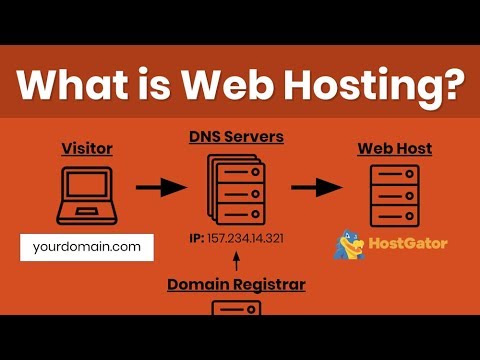
Domains are like names for websites. They help people find you online. But a domain alone is not enough. To show your website, you need web hosting. Hosting is where website files live. It is like a home for your site. Without hosting, your domain has no content. Visitors will see nothing. Hosting stores all your web pages, images, and more. When someone types your domain, hosting sends the files to them. It works like magic.
Hosting makes websites available on the internet. It helps browsers find and show your site. Your domain tells browsers where to look. Hosting gives the files to browsers. This is how people access your website. Without hosting, your domain is just an empty address. Hosting is essential for any website. It ensures your site is live and reachable.
Types Of Web Hosting
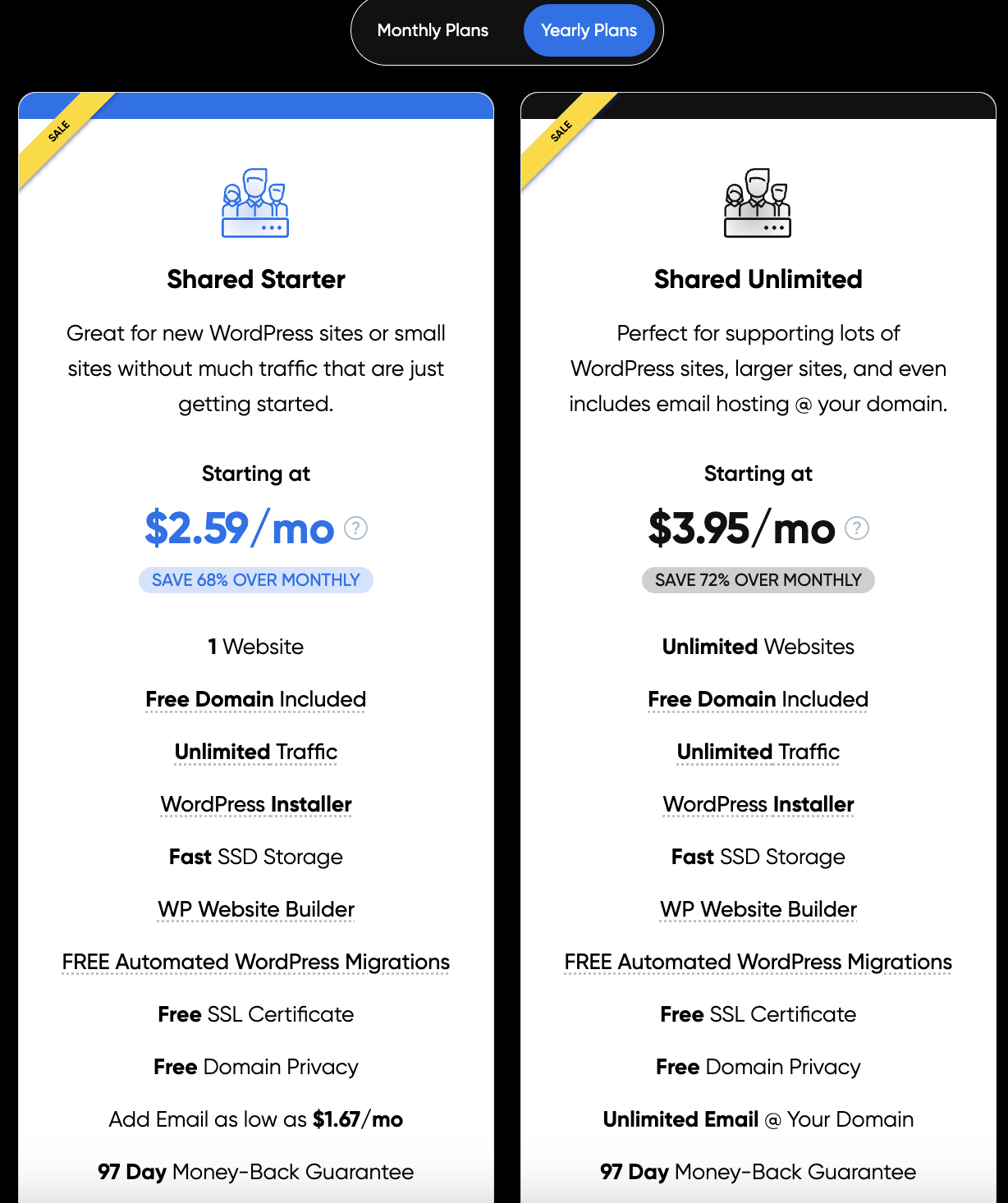
Shared hosting is very popular. Many websites share one server. This makes it cheap. It’s great for small sites and blogs. The server’s resources are shared. This includes CPU, RAM, and storage. If one site is busy, others can slow down. It is easy to set up. Many providers offer one-click installs. Support is also often included. This is good for beginners.
Virtual Private Server (VPS) hosting is more advanced. Users get a dedicated portion of a server. This offers more control and resources. It’s like having a private space. Performance is better than shared hosting. Costs are higher but still affordable. Customization is greater. Users can install software they need. It suits medium-sized sites or growing businesses.
Dedicated hosting means one server, one user. This is ideal for large websites. All resources belong to one site. Performance is very high. Costs are more because it’s exclusive. Users have full control. They can modify and manage everything. Security is strong with dedicated hosting. It’s perfect for high-traffic sites.
Cloud hosting is flexible and scalable. Websites use many servers. Resources adjust based on need. This means less downtime. It’s great for growing sites. Costs depend on usage, not fixed. Users pay for what they use. Scaling up is easy. Providers offer many features. This includes backups and security. It’s suitable for modern websites.
Choosing The Right Hosting
Start by thinking about your website’s needs. A small blog needs less than a big store. Traffic volume is key. More visitors need stronger hosting. Storage space matters too. More files need more room. Decide if you need emails or databases. This helps in picking the right plan.
Hosting costs can vary. Some are cheap, others cost more. Set a budget first. Check for hidden fees. Look for discounts or free trials. Shared hosting is usually cheaper. But, it may be slower. VPS or dedicated servers cost more. But, they offer better performance.
Speed is crucial. Slow sites lose visitors. Look for fast servers. Uptime is another factor. More uptime means your site stays online. Check for backup options too. They protect data from loss. Some hosts offer CDN for faster load times globally. Consider these factors for better performance.
Linking Domain To Hosting
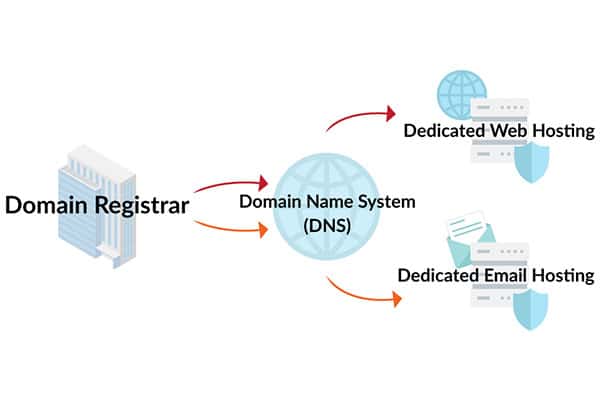
A domain connects to web hosting through DNS settings. These settings act as a roadmap. The DNS tells the browser where to find your website. You need to enter the correct details. This helps visitors find your site easily. Without proper DNS, your site might not show up. It’s like sending a letter without an address. Make sure DNS points to the right host.
Name servers help in connecting domain to hosting. These are special addresses. They guide the domain to the hosting server. You must enter them in your domain account. This process is crucial for your site to work. Incorrect name servers can cause issues. Visitors might see errors. Always check the name servers are correct. This ensures smooth operation of your website.
Credit: momentum3growth.com
Common Misconceptions
Many think a domain is a full website. But it’s not. A domain is just a name. It’s like a street address. It tells people where to go online. A domain alone can’t show pages or pictures. You need more. A website needs both a domain and hosting. Hosting stores the website’s files. Together, they make a website work.
Some believe hosting doesn’t need a domain. But that’s not true. Hosting holds the website’s data. But a domain points people to that data. Without a domain, visitors can’t find your site. It’s like having a house but no address. You need both to be found online. Hosting and domain work together for a website.
Credit: www.youtube.com
Frequently Asked Questions
Can A Domain Work Without Hosting?
A domain alone doesn’t display a website. Hosting is needed to store and serve website files online. Without hosting, a domain only serves as an address, but no content is displayed.
Can I Register A Domain Name Without Hosting?
Yes, you can register a domain name without hosting. Domain registration and hosting are separate services. You can secure your domain first and choose hosting later. Many registrars offer domain management without requiring hosting immediately. This allows flexibility in planning your website’s development and launch timeline.
Does Domain Come With Hosting?
Domains and hosting are often separate. Some hosting providers offer free domain registration with hosting plans. Always check the specifics of the hosting package to confirm if a domain is included. This ensures you understand what you’re purchasing and avoid any surprises.
What Is The Difference Between Web Host And Domain?
A web host stores website files on servers, allowing internet access. A domain is the website’s address, like “example. com. ” Both are essential for a functioning website, but serve different roles. Domains identify sites, while web hosting provides storage and connectivity.
Conclusion
Choosing web hosting is crucial for your domain’s performance. It ensures your site runs smoothly and stays accessible. Without hosting, your domain remains just a name. Hosting provides necessary storage and resources. It makes your website visible to users. Think of it as a home for your site.
A good host boosts speed and reliability. It also offers security features to protect your data. So, consider your hosting options carefully. Your website’s success depends on it. Always aim for quality and support when selecting a host. Remember, a strong foundation leads to growth.


