
Have you ever wondered how websites appear on your browser? If you’ve ever thought about creating your own website, understanding web hosting is a crucial first step.
Imagine the internet as a vast digital universe, with web hosting being the space where your web pages live. Without hosting, your website can’t be seen by others; it’s like a shop without a location. You might be asking, “What exactly is web hosting, and why is it important for me?
” Hosting is the process that allows your website to be available online, giving you the power to share your ideas, products, or services with the world. Picture it as renting a plot of land where you can build your virtual home. But not all hosting is created equal—choosing the right one can make or break your online presence. Stay with us as we dive deeper into what web hosting entails, explore different types of hosting options, and guide you on how to choose the best one for your needs. Whether you’re launching a personal blog or an online store, understanding web hosting will empower you to make informed decisions and establish a strong foundation for your digital aspirations.
Credit: www.figma.com
Types Of Web Hosting
Shared hosting is like sharing a room with friends. Many websites share the same server. This makes it cheaper than others. But, speed can be slow if many visit one site. It’s great for small sites or blogs. Easy to use and cost-effective.
Dedicated hosting is like having your own house. You get a whole server just for your site. This means faster speed and more control. Ideal for big websites. But, it is more expensive. You also need more technical knowledge.
VPS stands for Virtual Private Server. It’s like having an apartment. You share a building but have your own space. Offers more control than shared hosting. It’s a balance between shared and dedicated hosting. Good for growing businesses.
Cloud hosting uses many servers. If one server fails, others keep the site going. It offers great flexibility and can handle lots of traffic. You pay for what you use, like a water bill. Perfect for busy sites.
Credit: pages.github.com
Key Features Of Web Hosting
Bandwidth is the amount of data your site can send and receive. Storage is where your site’s files live. Both are crucial. More bandwidth means your site can handle more visitors. More storage means you can store more files. Choose wisely. You need both for a smooth website.
Every website needs a domain name. It’s your site’s address. Web hosting often includes domain services. Email services are also important. They let you send and receive emails with your domain. This looks professional. Many hosts offer both services in one plan.
Security protects your site from hackers. It keeps your data safe. Look for hosts with SSL certificates. These encrypt data. Firewalls are also key. They block unwanted traffic. Regular backups keep your files safe. Choose hosts that offer these security features.
Choosing The Right Hosting Provider
Websites need to be online all the time. Good hosting gives high uptime. This means your site is almost always reachable. Uptime should be 99.9% or more. Look for reviews about uptime. A reliable provider is key for success.
Help should be available day and night. Hosting problems can happen anytime. Good providers offer 24/7 support. Check if they have live chat. Email and phone support are also important. Quick help keeps your site running smoothly.
Choose a plan that fits your budget. Hosting costs vary. Some are cheap, others are costly. Compare features and prices. Look for discounts or offers. Don’t pay for things you don’t need. A good plan meets your needs and saves money.
Setting Up A Web Page
A domain name is like your address on the internet. You need to choose a unique name. This name should be easy to remember. Then, you register it through a domain registrar. This step is important for your online presence. Pay a small fee each year to keep the name.
DNS settings help connect your domain to your web server. Think of DNS as a map. It shows computers where to find your website. You must update these settings with your registrar. This links your domain to the correct web host. Make sure the settings are right. This ensures people reach your site easily.
Your web page needs files to show up online. Use an FTP client to upload them. FTP is a tool that transfers files from your computer to the server. Make sure all files are in the right format. This ensures your website looks good. Check everything before going live.
Common Hosting Challenges
Web hosting involves storing a website’s data on a server to make it accessible online. Common challenges include slow loading times, security vulnerabilities, and limited bandwidth. These issues can affect website performance and user experience.
Downtime Issues
Websites can go offline. This is called downtime. It makes visitors unhappy. Businesses lose money. Downtime can happen often. It can last a long time. Reliable hosting is important. It keeps sites running. Choose hosts with good uptime.
Security Vulnerabilities
Hackers can attack websites. They steal data. They cause damage. Security vulnerabilities are weak spots. They let hackers in. Websites need strong security. Hosts must offer security features. These features protect sites from threats.
Resource Limitations
Websites need resources to work well. They need space. They need speed. Limited resources slow websites down. Visitors leave slow sites. Good hosting provides enough resources. Choose hosts with scalable resources. They grow as sites grow.
Future Of Web Hosting
Web hosting is using more green energy. It helps nature. Companies plant trees to reduce carbon. Solar and wind power are used in data centers. This makes the web cleaner. Using green energy saves money too. Environment-friendly practices attract users. They like helping nature.
Technology in web hosting is growing fast. Cloud hosting is popular now. It is fast and safe. People use AI tools for better hosting. It helps them find issues quickly. Faster servers make websites load quickly. This is good for users. They like fast websites.
Web hosting now offers more choices. Users can add more space easily. This is scalability. It helps when websites grow. Flexibility means users can change plans. They only pay for what they use. This saves money and helps small businesses.
Credit: techterms.com
Frequently Asked Questions
What Do You Mean By Hosting A Website?
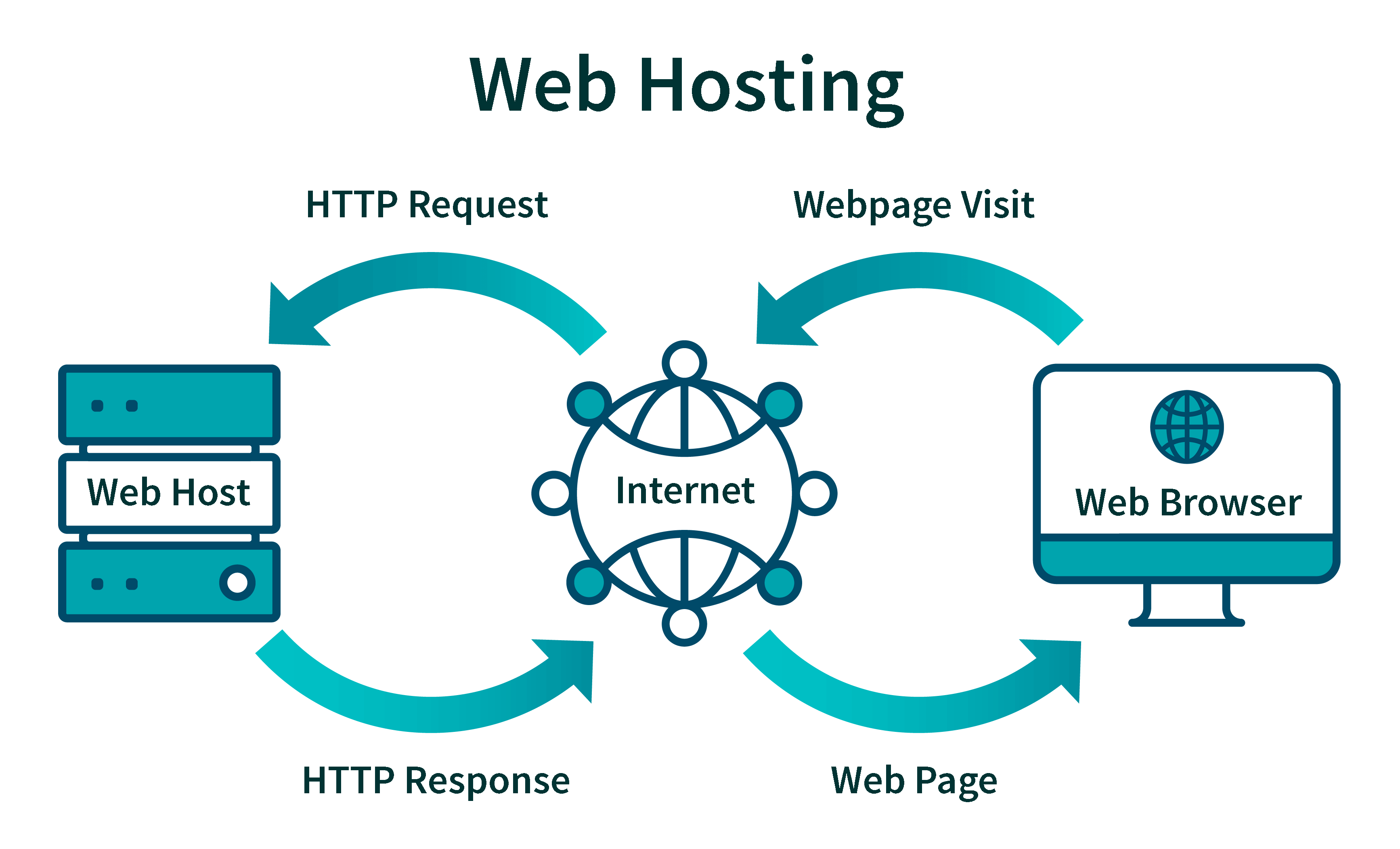
Hosting a website means storing its files on a server to make it accessible online. It involves renting space on a web server, which enables users to view the site on the internet. Hosting services provide the necessary technology and support to keep websites running smoothly.
What Is Web Hosting And Do I Need It?
Web hosting provides server space for your website on the internet. Without it, your site won’t be accessible online. Most websites need hosting to function properly and reach users. Choose a reliable hosting provider based on your site’s requirements. It’s essential for establishing an online presence.
What Are The 3 Types Of Web Hosting?
The three types of web hosting are shared hosting, VPS hosting, and dedicated hosting. Shared hosting is cost-effective, hosting multiple sites on one server. VPS hosting offers more resources and control. Dedicated hosting provides exclusive server use, ensuring high performance and security.
Choose based on your site’s needs and budget.
Can I Run My Website Without Hosting?
A website needs hosting to be accessible online. Hosting provides server space to store website files. Without it, your site won’t be visible to users. Choose reliable hosting to ensure fast loading and high uptime. Self-hosting is possible but requires technical expertise and resources.
Conclusion
Hosting a web page is crucial for online presence. It gives your site a home on the internet. You choose a hosting service based on your needs. Understanding hosting types helps you make informed decisions. Shared hosting suits small sites, while dedicated hosting fits larger ones.
Consider bandwidth, storage, and support. These factors affect your site’s performance. Security is vital to protect your data. Compare providers before signing up. Reliable hosting ensures your site runs smoothly. Choose wisely to grow your online reach. Hosting affects your site’s success.
Make sure it meets your goals and budget.


