
Ever wondered how your favorite web applications actually work? You click, type, and swipe, but behind the scenes, something magical is happening.
This magic is called web application hosting. Understanding what it means to host a web application can open up a world of possibilities for your online projects. Whether you’re planning to launch a new app or simply curious about the digital landscape, grasping this concept is essential.
Imagine having the power to control where your web application lives and how it performs for users around the globe. Curious to know more? Let’s dive into the fascinating world of web application hosting and discover how it can transform your digital experience.
Types Of Web Hosting
Shared hosting is like sharing a room. Many websites use the same server. It’s cost-effective and easy to use. But, websites may run slower if traffic is high. Best for small sites or blogs. It’s a simple way to start.
Dedicated hosting means having your own server. No need to share with others. This makes your website fast and secure. It’s great for big businesses. But, it’s more expensive. You have full control over your server.
VPS is like having your own apartment. You share a building, but have your own space. It offers more control than shared hosting. It’s less costly than dedicated hosting. Ideal for growing websites needing more resources.
Cloud hosting uses many servers. This keeps websites running smoothly. It’s flexible and scalable. You pay for what you use. Good for websites with changing traffic. It offers high reliability and uptime.
Key Components
Servers are like big computers. They store and manage web applications. They help users access your website online. They handle requests from users. They deliver web pages to browsers. Servers need to be fast and reliable. They must run all the time. If a server fails, the site goes down.
Bandwidth is the data flow between the server and users. It affects how fast a website loads. Higher bandwidth means more data can be sent quickly. Websites with lots of visitors need more bandwidth. Limited bandwidth may slow down a site. Choose a host with enough bandwidth.
Storage is where web files are kept. Images, texts, and videos need space. Bigger sites need more storage. Enough storage ensures smooth operation. Insufficient storage can lead to problems. Choose a plan with suitable storage.
Choosing The Right Hosting Provider
Understand the website’s purpose. Will it handle large traffic? Need specific software? These questions are important. Security is vital too. Protect your data and user information. Think about scalability. Can it grow with your business? These are key considerations.
Hosting can be expensive. Compare different providers. Look for hidden costs. Monthly fees add up. Quality of service matters. Don’t choose cheap over reliable. Balance costs with features. Invest wisely for long-term success.
Reliable support is crucial. Problems arise unexpectedly. Ensure 24/7 availability. Ask about communication methods. Is there live chat? Phone support? Emails? Good support resolves issues fast. Responsive teams save time and stress. Choose a provider with strong customer service.
Security Measures
Hosting a web application involves placing your app on a server for online access. Security measures protect data and prevent unauthorized access. Regular updates, firewalls, and encryption are essential to keep user information safe.
Ssl Certificates
SSL certificates keep data safe. They create a secure link between user and server. Visitors see a lock symbol in the browser. This means their info is protected. Google favors sites with SSL. It can help your site rank better. Always choose a trusted certificate provider.
Firewalls
Firewalls act like guards for your site. They block unauthorized access and protect data. They stop harmful traffic from entering. Always keep your firewall updated. Regular updates ensure the best protection. Good firewalls can prevent many security threats.
Regular Backups
Backups save copies of your data. If something goes wrong, you won’t lose everything. Keep backups in multiple places. This ensures you have copies if one fails. Schedule backups regularly. This way, your data stays safe and up-to-date.
Performance Optimization
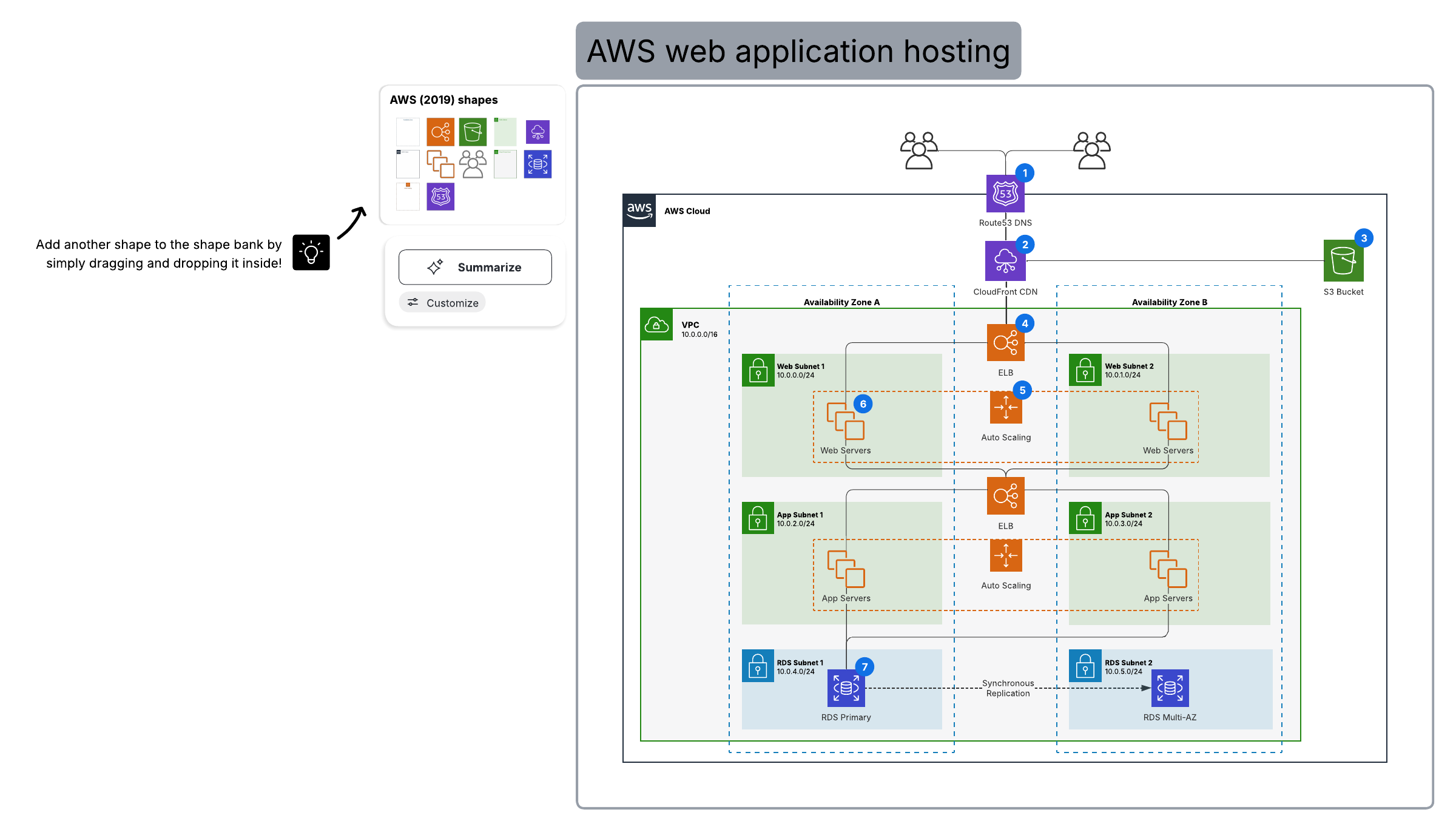
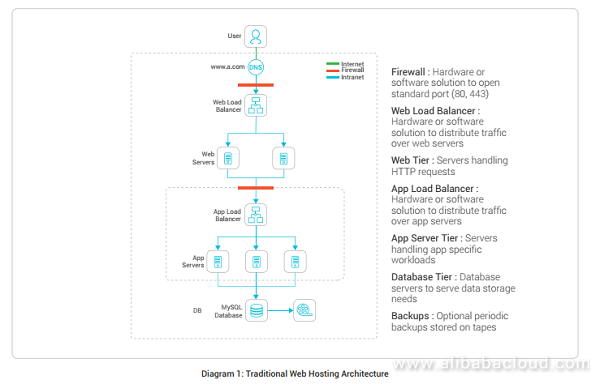
Load balancing helps a web app run smoothly. It shares the work between many servers. This keeps the app quick. No server gets too tired. Each server does its part. This stops slowdowns. Traffic is handled better. Users get a faster experience.
Caching saves data for later use. This makes loading fast. Common data is kept close. This reduces waiting. Servers work less. Users see pages quickly. Memory is used wisely. Speed is improved. This makes users happy.
CDNs help send content fast. They use many servers worldwide. Content is stored in many places. This makes downloads quick. Distance to users is less. Pages load speedily. Images and videos are delivered quickly. This boosts user satisfaction.

Credit: medium.com
Scalability Options
Vertical scaling means adding more power to your server. This includes increasing RAM, CPU, or storage. It is like making a computer stronger. This helps the web app run faster. But there is a limit to how much you can add.
Horizontal scaling means adding more servers. Imagine having more helpers to do a task. This helps manage more users. Each server shares the load. It makes the system more reliable. If one server fails, others keep working.
Auto-scaling adjusts the number of servers automatically. It adds more servers during busy times. It reduces servers when traffic is low. This saves money and resources. Your web app always performs well. Users get a smooth experience.
Cost Implications
Starting a web app needs some money. You need to pay for servers. Servers are like computers that run your app. You might also need to buy software licenses. These licenses let you use special programs. Hiring a developer to build your app is another cost. Developers write the code for your app. Each of these steps costs money. It’s important to plan your budget.
Once your app is running, you have to keep it working. This means paying for updates. Updates fix problems and add new features. You might also need to pay for support. Support helps when things go wrong. These costs happen every month or year.
Some costs are not easy to see. These are called hidden expenses. You might need more storage as your app grows. Extra storage costs more money. Sometimes, you might face downtime. Downtime is when your app stops working. Fixing it can cost extra. Keeping an eye on these costs is important.
Credit: lucid.co
Future Trends
Green hosting uses clean energy for servers. This helps the Earth. Data centers need lots of power. Solar and wind energy can power them. Green hosting reduces carbon footprints. It saves energy costs too. Many companies now choose green hosting. It shows they care about the planet.
Serverless architecture means no need for managing servers. Cloud providers do the work. This saves time and money. You pay only for what you use. Developers focus on coding. No worries about server tasks. It scales easily. More users? No problem. Serverless is flexible and fast.
AI helps in web hosting. It monitors servers day and night. Predicts issues before they happen. AI improves performance and security. It learns from past data. Automates many tasks. Makes hosting smarter and efficient. AI is the future of web hosting.
Credit: www.alibabacloud.com
Frequently Asked Questions
What Is Hosting A Web Application?
Hosting a web application involves storing and managing it on a server, allowing online accessibility. It ensures reliable performance, security, and scalability. Hosting providers offer various plans tailored to application needs, facilitating seamless user access. Choose a provider that supports your application’s requirements for optimal functionality and user experience.
What Are The 3 Types Of Web Hosting?
The three types of web hosting are shared hosting, VPS hosting, and dedicated hosting. Shared hosting is budget-friendly. VPS hosting offers more resources and control. Dedicated hosting provides maximum customization and performance. Choose based on your website’s needs and growth expectations.
Can I Run My Website Without Hosting?
Running a website without hosting isn’t possible. Hosting provides the server space necessary for storing website files. Use hosting services to ensure your website is accessible online. Without hosting, your website won’t be available to users. Choose a reliable hosting provider to maintain website performance and security.
What Is Web Hosting And An Example?
Web hosting is a service that stores your website files on servers, making them accessible online. For example, Bluehost provides shared hosting, allowing multiple websites to share server resources.
Conclusion
Hosting a web application involves several steps. Choose a reliable hosting provider. Understand your app’s requirements. Ensure security measures are in place. Regular updates keep your app running smoothly. Monitor performance for optimal user experience. Selecting the right plan is crucial.
It affects app speed and reliability. Remember to back up your data regularly. This prevents data loss. Hosting supports your app’s accessibility. It ensures users can access it anytime. With the right hosting, your app thrives. Enjoy a seamless user experience.
Hosting is key to your app’s success.


