
Have you ever wondered what makes your favorite websites accessible anytime, anywhere? It’s all thanks to web hosting services.
If you’re curious about what a web hosting service really means and why it’s essential for your online presence, you’re in the right place. Imagine your website as a house. Just like a house needs land to sit on, your website needs a space on the internet to live.
That’s where web hosting comes in. It provides the digital real estate for your website, ensuring it’s visible and functional for anyone who wants to visit. Keep reading to discover how web hosting works, why it matters to you, and how to choose the right service for your needs. Unlock the secrets of seamless online accessibility and empower your digital journey with the knowledge you’ll gain here.
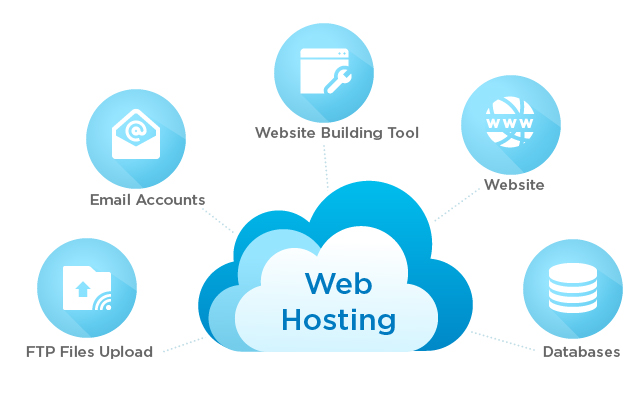
Credit: petalhost.com
Web Hosting Defined
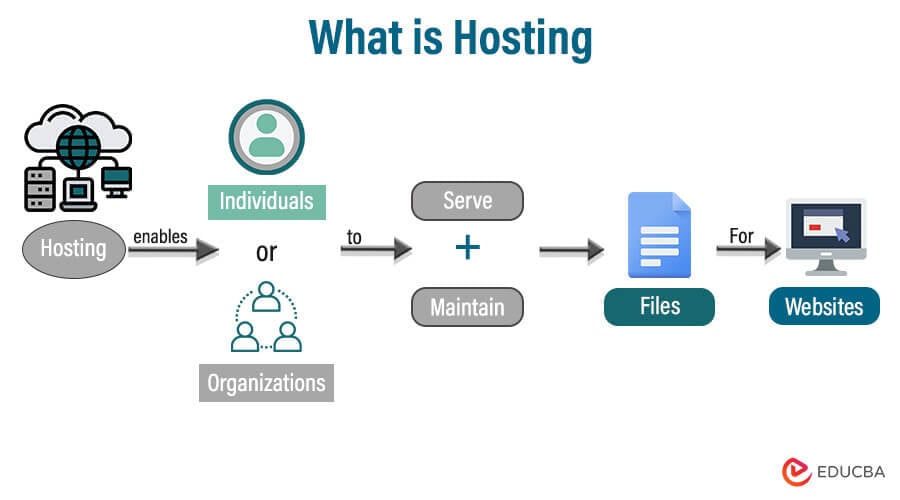
Web hosting is like renting a space online. Websites need a place to live. Hosting provides this space on a server. It allows people to see your site. Without hosting, websites can’t be accessed.
Many types of hosting exist. Shared hosting is the most common. Many sites share one server. This is cost-effective for beginners. Dedicated hosting is for big websites. It gives a site its own server.
Cloud hosting is gaining popularity. It uses multiple servers. This makes sites faster. Hosting companies offer extra services. These include domain registration and site builders. Choosing the right hosting is important. It affects site speed and security.
Credit: www.educba.com
Types Of Web Hosting
Shared hosting is like sharing a big cake. Many websites are on one server. It is the most affordable option. You share resources with others. If one site gets busy, others slow down. Good for small sites. Easy to manage.
VPS is like having your own room in a big house. You get your own space. More control than shared hosting. It costs more than shared hosting. Best for growing websites. Offers better performance.
Dedicated hosting is like owning a house. One server for your site only. Full control over resources. It is very powerful. Best for large websites. Most expensive option.
Cloud hosting is like living in the sky. Many servers work together. If one server fails, others help. Scalable and flexible. Pay for what you use. Good for sites with changing traffic.
Key Features Of Web Hosting
Web hosting gives you space to store your website files. More space means you can add more content and features. Hosting plans offer different amounts of space. Choose one that fits your needs.
Bandwidth determines how much data can move from your site to visitors. High bandwidth means your site can handle more visitors. This is important for sites with lots of traffic. Limited bandwidth can slow your site down.
Uptime is how often your site is online. Hosting services promise a certain uptime percentage. This ensures your site is always available. 99.9% uptime means your site is almost always online. Choose a service with a high uptime guarantee.
Good support helps fix issues fast. Many services offer support through chat, phone, or email. Check if support is available 24/7. This is important if your site has problems at odd hours. Reliable support helps keep your site running smoothly.

Credit: www.layerhost.com
Choosing The Right Web Hosting
Think about what you need. Do you have a small website or a big one? Small sites need less space. Big sites need more. Decide how much traffic you expect. More visitors mean more resources.
Money is important. Cheap hosting is good for small sites. Bigger sites need more money. Choose a plan that fits your budget. Some plans offer more features. Others are simple and cheap.
Websites can grow. Choose a host that can grow too. Start small and get bigger. Some hosts offer easy upgrades. Make sure you can change plans easily. This helps when your site grows fast.
Benefits Of Web Hosting
Web hosting makes your website faster. Speed matters. Users want quick access. Slow sites lose visitors. Hosting helps with speed. Fast loading keeps people on your site. Google likes fast sites too. Better speed means better rankings.
Hosting protects your site. Security is key. Hackers want to steal data. Hosting provides firewalls and backups. These tools keep your site safe. Hosting companies monitor threats. They stop attacks. Your data stays safe.
Hosting gives you email accounts. Professional emails look good. They use your domain name. Example: yourname@yourwebsite.com. They build trust. Clients feel secure with your emails. Hosting manages your emails. It filters spam. Your inbox stays clean.
Common Web Hosting Challenges
Websites can stop working sometimes. This is called downtime. It happens when servers face problems. Downtime can make visitors unhappy. They might leave your site. This can hurt your business. Always aim for less downtime.
Keeping a website safe is very important. Hackers look for weak spots. They can steal data. Security risks need strong protection. Use firewalls and antivirus tools. Keep software updated. This helps in protecting your website.
Sometimes, hosting support is not enough. They might take time to reply. This can be frustrating. You need quick help when problems happen. Choose hosting with good support. Check reviews before deciding. Good support can save time and stress.
Future Of Web Hosting
New tools are making web hosting faster. Cloud computing helps store data online. This means less need for big servers. Edge computing brings data closer to users. This makes websites load quicker. These technologies help websites run smoothly.
Artificial Intelligence (AI) changes web hosting. AI can fix problems quickly. It helps in managing server loads. AI also improves security. It stops threats before they cause harm. AI makes hosting more efficient and safe.
Green hosting is about using less energy. Hosting companies use renewable energy. This includes solar and wind power. They aim to reduce carbon footprints. Eco-friendly servers are now popular. They use less power and help save the planet.
Frequently Asked Questions
What Does A Web Hosting Service Do?
A web hosting service stores and maintains your website’s files on a server. It ensures your site is accessible online. Hosting services provide server space, security, and support. They offer various plans, from shared to dedicated hosting, tailored to different needs.
Reliable hosting improves website speed and performance.
What Is An Example Of A Web Hosting Service?
An example of a web hosting service is Bluehost. It offers reliable hosting solutions for websites, including shared, VPS, and dedicated hosting plans. Bluehost is known for its user-friendly interface and excellent customer support, making it a popular choice among beginners and experienced users alike.
What Are The 3 Types Of Web Hosting?
The three types of web hosting are shared hosting, VPS hosting, and dedicated hosting. Shared hosting involves sharing server resources with other websites. VPS hosting provides a virtual private server offering more control. Dedicated hosting offers an entire server exclusively for one website, ensuring maximum performance and security.
How Much Does Website Hosting Cost?
Website hosting costs vary widely. Shared hosting starts at $2. 95/month, while VPS hosting can be $20/month. Dedicated servers range from $80 to over $300/month. Consider factors like storage, bandwidth, and support when choosing a plan. Prices can differ based on features and provider reliability.
Conclusion
A web hosting service is crucial for your online presence. It stores your website data and keeps it accessible. Choosing the right host boosts your site’s performance. Consider speed, security, and support. These factors shape your website’s success. A reliable host ensures your site runs smoothly.
Users want fast-loading pages and secure browsing. Hosting impacts this experience greatly. Explore options, compare features, and make informed decisions. Your website deserves the best hosting service. It’s an investment in your digital future. Stay informed, choose wisely, and watch your site thrive.


