
Are you overwhelmed by the endless choices of web hosting plans available? You’re not alone.
Picking the right web hosting plan is like choosing a home for your website; it needs to be secure, reliable, and just the right fit for your needs. Whether you’re launching your first blog, setting up an online store, or expanding your business, the right hosting plan can make a huge difference.
Imagine the peace of mind knowing your website is fast, always available, and ready to grow with you. This article will guide you through the maze of options, helping you discover the hosting plan that’s perfectly tailored to your goals. Dive in to find out which web hosting plan will be your website’s perfect match!

Credit: www.bluehost.com
Types Of Web Hosting
Shared hosting is like living in a busy apartment. Many websites share the same server. Costs are low, making it budget-friendly. But it can be slow. If one site gets busy, others might lag. Great for beginners with small sites. Not ideal for big businesses.
VPS hosting gives each site its own space. Imagine living in a townhouse. It’s more private than shared hosting. Sites run faster and more reliably. Costs are higher than shared hosting. It’s good for growing websites. Offers more control and flexibility.
Dedicated hosting is like owning a big house. The server is all yours. No sharing at all. It’s the most powerful and secure option. Best for large businesses or busy websites. Costs are high but worth it for big needs. Offers full control and customization.
Cloud hosting uses many servers. It’s like having a team of helpers. If one server fails, others pick up the slack. It’s flexible and scalable. Costs vary depending on use. Good for sites with changing traffic. Offers high performance and reliability.
Factors To Consider
Web hosting can be cheap or costly. Some plans start at a few dollars. Others cost much more. Shared hosting is often the cheapest. But it may not be enough for large sites. Dedicated hosting can be expensive. But it offers more control and resources. Consider your budget and site needs before choosing.
Performance affects how fast your site loads. Slow sites can lose visitors. Server speed is crucial. More RAM and CPU can improve performance. Look for hosting with good speed ratings. SSD storage is faster than older HDD. Choose wisely to keep users happy.
Security protects your site from hackers. SSL certificates encrypt data. Many hosts offer firewalls to block attacks. Check for regular backups. Strong passwords help too. Secure hosting keeps your data safe. It’s important for trust and safety.
Scalability lets your site grow. As traffic increases, you need more resources. Cloud hosting can scale easily. VPS hosting offers more control. Shared hosting may limit growth. Plan for future needs. A scalable host adapts to changes in demand.
Best Hosting For Beginners
Beginners need simple tools. User-friendly hosting is important. Look for hosting with clear menus. Avoid complex settings. Easy setup saves time. Intuitive dashboards help a lot. Choose hosts with tutorials. Many hosts offer one-click installers. These make adding features simple. Easy hosting lets beginners focus on content.
Good support is crucial for newbies. Many hosts offer 24/7 support. Live chat is fast and easy. Email support is good too. Look for hosts with strong knowledge bases. These have guides and tips. Phone support helps with complex issues. Good hosts offer community forums. Forums allow sharing and learning. Support keeps sites running well.
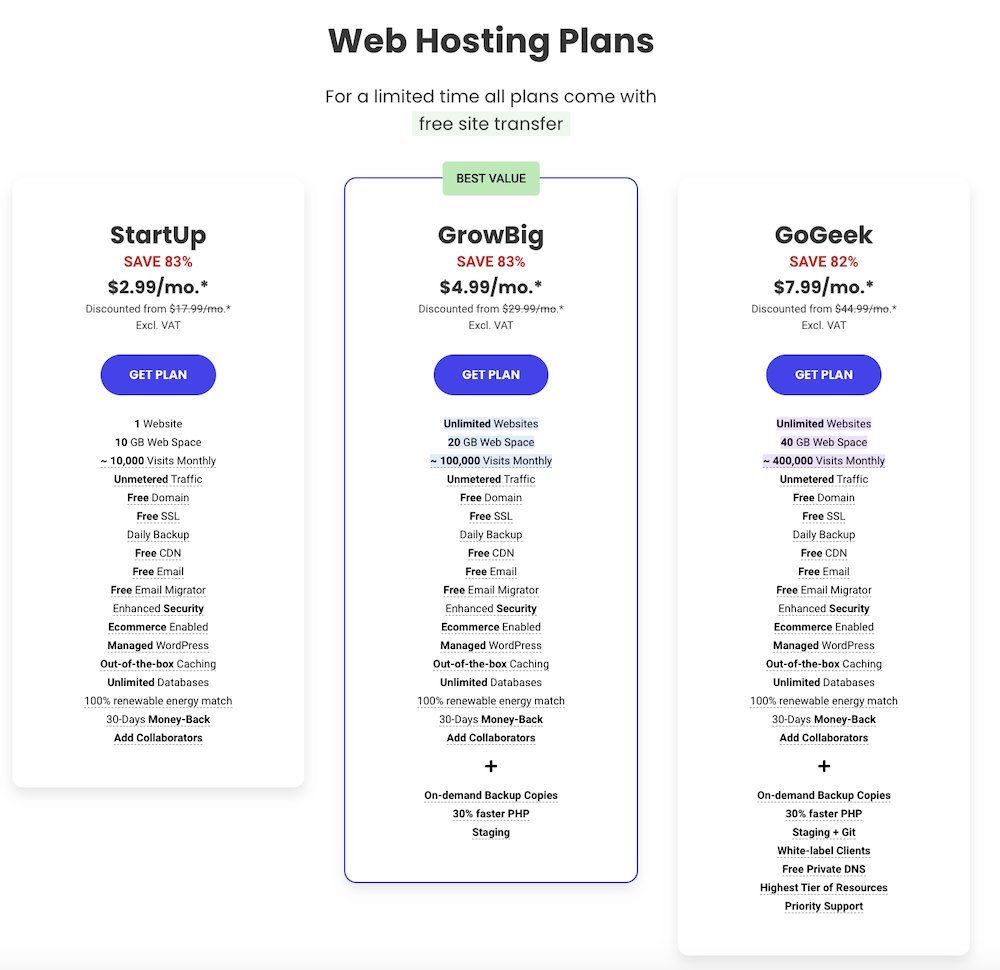
Credit: www.ryrob.com
Hosting For High-traffic Sites
Websites with many visitors need high bandwidth. This lets more people visit at once. If bandwidth is low, the site could slow down. This can make users unhappy. Choose a plan with unlimited bandwidth if possible. This helps in handling many visitors. Always check the plan details. Some plans may limit your bandwidth.
Reliable hosting is important for busy sites. A reliable host keeps your site up. Downtime can hurt your site. It can also make users leave. Look for a host with a 99.9% uptime guarantee. This means your site is almost always up. Read reviews to know more about the host’s reliability.
E-commerce Hosting Requirements
Choosing the right web hosting plan is crucial for e-commerce success. Reliable hosting ensures fast loading times and secure transactions. Look for plans offering scalability, SSL certificates, and excellent customer support to meet growing business needs.
Ssl Certificates
SSL certificates are essential for online stores. They keep customer data safe. Encrypt information. Protect against hackers. Customers trust websites with SSL. A green lock icon shows security. SSL boosts your site’s credibility. Search engines favor secure sites. It helps with better rankings.
Payment Gateway Compatibility
Choosing the right payment gateway is crucial. Ensure your hosting supports major gateways. PayPal, Stripe, and others. Check compatibility first. Smooth transactions improve user experience. Fast and easy payments. Verify security features. Protect customer details. A reliable gateway builds trust. Happy customers return.
Comparing Hosting Providers
Selecting the right web hosting plan depends on your site’s needs. Evaluate factors like speed, security, and support. Compare providers to find the best fit for your budget and requirements.
Reputation
Many people know some hosting brands. Big brands often have strong names. They offer trust and stability. This is important for any website.
Customer Reviews
Reviews tell a lot about a hosting service. Happy customers mean good service. Always read what people say. Look for feedback on speed and support. Problems or delays can make visitors leave.
Choose a provider with many good reviews. This shows they are reliable. Stay away from too many bad reviews. It might be a red flag. Your website needs a home that people trust.
Future-proofing Your Hosting Choice
Choosing a hosting plan that grows with your website is smart. Space for more files is important. Bandwidth for more visitors is a must. Flexible plans let you add more features when needed. Scalable options keep your site running smoothly. Check if the host offers easy upgrades.
Hosting plans must keep up with new technology. Security features need to be updated. Fast servers make your site load quickly. Compatibility with new software helps your site stay modern. Cloud hosting is a good choice for the future. Research what tech your host uses.

Credit: www.digitug.com
Frequently Asked Questions
Which Web Hosting Is The Best?
The best web hosting varies based on needs. Bluehost is popular for beginners and WordPress users. SiteGround offers excellent customer support. HostGator is affordable with scalable options. Consider factors like uptime, speed, and support when choosing. Always assess your specific requirements before selecting a host.
Which Type Of Hosting Is Best?
The best hosting type depends on your needs. Shared hosting is cost-effective for beginners. VPS offers better control and performance. Dedicated hosting provides maximum resources and security. Cloud hosting is scalable and ideal for fluctuating traffic. Choose based on budget, technical expertise, and website requirements.
What Are The 3 Types Of Web Hosting?
The three types of web hosting are shared hosting, VPS hosting, and dedicated hosting. Shared hosting is budget-friendly, suitable for small websites. VPS hosting offers more resources and flexibility. Dedicated hosting provides full server control for large websites with high traffic.
How To Choose The Best Web Hosting?
Consider your website’s needs, budget, and traffic expectations. Evaluate uptime guarantees and customer support quality. Check for scalability options and security features. Read reviews and compare pricing plans. Choose a provider with a user-friendly control panel and backup solutions.
Conclusion
Choosing the right web hosting plan is essential. It impacts your site’s performance and user experience. Consider your website’s needs first. Large sites need more resources. Smaller sites can start with basic plans. Compare features and prices carefully. Look for reliable support and uptime.
Read customer reviews. They offer real insights. Remember, the best plan matches your goals and budget. Take your time. Make an informed decision. Your website’s success depends on it.


