
Are you worried about choosing the wrong web host for your online presence? You’re not alone.
The decision can feel overwhelming, especially when security is a top concern. Phishing attacks are a constant threat, and selecting a web host that offers robust protection is crucial. Imagine the peace of mind you’ll have knowing your site is safeguarded against cybercriminals.
But how do you find a reliable web host that truly prioritizes your safety? You’ll discover essential factors to consider and the best options available. Get ready to secure your website and protect your visitors. Keep reading to make an informed choice that could save you time, money, and headaches.
Understanding Phishing
Phishing is a trick to steal your personal information. A person might pretend to be someone else. They often ask for passwords or credit card numbers. Phishing emails look like they are from trusted companies. But they are not real. It is important to be careful and not share your details.
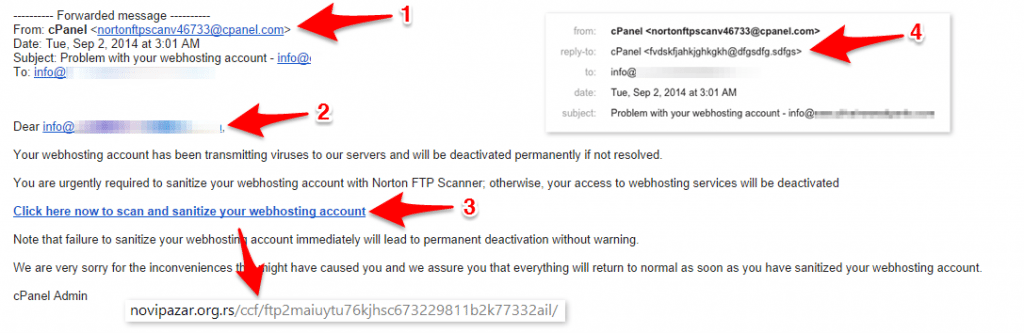
A person sends a fake email or message. The email looks real and trustworthy. The message asks you to click a link. That link takes you to a fake website. This site looks like a real one. You might enter your details there. Once you do, they can steal your information.
Email Scams are very common. These emails might have a sense of urgency. They can say your account is in danger. Fake Websites are used too. They look like real bank sites. Phone Calls can also be phishing. Someone might call and ask for your personal details. Always be alert. Always check if the request is genuine.
Legal Implications
Phishing is a crime. Many countries have laws against it. These laws aim to protect users. They stop criminals from stealing information. Phishing tricks people. It steals their passwords and data. Governments work hard to stop this. Strong laws are in place. They ensure safety online.
Breaking these laws has serious consequences. People caught phishing face heavy fines. Some might go to jail. Penalties depend on the crime’s size. They also depend on the harm caused. Authorities take phishing very seriously. They want to protect everyone from harm.
Web Hosting Services And Phishing
Web hosting is crucial for phishing attacks. Phishers use hosting to make fake sites. These sites trick people into giving personal information. The hosting helps make the sites look real. It supports the site’s functions. The fake sites can have login boxes and forms. All this is possible with the right hosting. Hosting makes it easy to copy real sites. Phishers need hosts that allow them to hide their identity. So, they choose hosts that don’t check details.
Phishers look for hosts with poor security. They choose hosts that allow anonymous registrations. This helps them stay hidden. Cheap hosts are also popular. They cost less and offer basic services. These hosts don’t ask too many questions. Flexible plans are a plus. Phishers can change their site quickly. Some hosts ignore complaints. They don’t check sites often. Easy-to-use platforms are preferred. Phishers set up sites fast. They don’t need much technical skill. All these features help them avoid detection.
Credit: projectarmy.net
Identifying Safe Web Hosts
A secure web host protects your site. It has strong security measures. These include firewalls and SSL certificates. Secure hosts monitor for threats. They keep backups of your data. Good hosts offer 24/7 support. This helps in case of problems. They also provide regular updates. Updates keep the system safe.
Choose a host with a good reputation. Read reviews from other users. A legitimate host has transparent policies. They clearly state their terms. Check if the host has trusted certifications. Certifications show they meet standards. Look for hosts with many years in business. Experience means they are likely reliable.
Preventive Measures
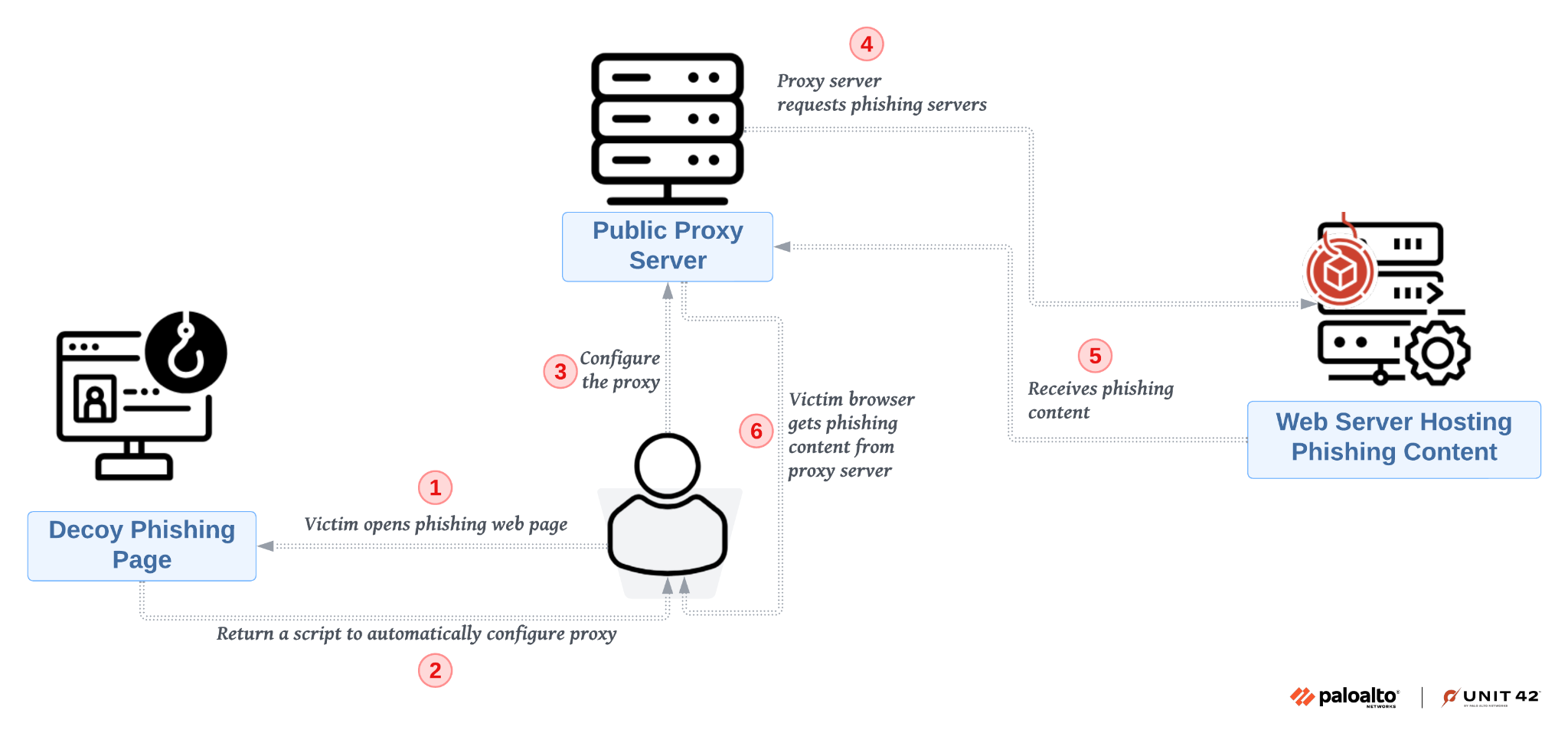
Phishing is a tricky problem. People need strong defenses. Educating users is key. Teach them to spot suspicious emails. Use two-factor authentication to secure accounts. Regularly update systems. This fixes vulnerabilities. Firewalls block malicious traffic. Anti-phishing tools help too. They identify and stop threats.
Some tools track phishing attempts. Security Information and Event Management systems work well. They analyze data and detect breaches. Threat intelligence platforms offer insights. They keep you informed about new threats. Email filters block dangerous emails. These tools are essential. They provide extra protection and peace of mind.
Credit: unit42.paloaltonetworks.com
Responsibilities Of Web Hosts
Web hosts must protect client data. They use strong security measures. Firewalls and antivirus software are common tools. These tools block harmful attacks. Secure servers keep information safe. It’s like having a lock on a treasure box. Client trust depends on security. When clients feel safe, they stay longer.
Web hosts find and report phishing sites. They take down these sites quickly. This stops bad people from tricking users. It’s like catching a thief. Hosts work with law enforcement. They help to catch criminals. Removing threats keeps the internet safe. Users feel more secure when threats are gone.

Credit: www.infoworld.com
Frequently Asked Questions
Are There Phishing Websites?
Yes, phishing websites exist. Cybercriminals create them to steal personal information. Always verify URLs and look for security indicators like HTTPS. Avoid clicking on suspicious links and use updated security software to protect yourself from phishing threats. Stay cautious and educate yourself about online safety practices.
What Is Web Hosting In Cyber Security?
Web hosting in cybersecurity involves protecting servers and websites from threats. It ensures data security, uptime, and reliable performance. Hosting providers implement firewalls, encryption, and regular updates. They safeguard websites against attacks like DDoS, malware, and hacking. Secure web hosting is essential for maintaining trust and protecting sensitive information online.
What Security For Web Hosting?
Web hosting security involves firewalls, malware scans, and SSL certificates. Regular software updates and strong passwords protect data. Hosting providers offer DDoS protection and secure backups. Users should ensure hosting services include these security features for robust protection.
What Is Phishing In Web Hosting?
Phishing involves deceiving users into providing sensitive information via fake websites. Web hosting becomes a concern when these sites are hosted on servers. It’s crucial to choose reputable hosts with strict anti-phishing measures to avoid supporting malicious activities.
Conclusion
Choosing the right web host for phishing protection is crucial. It ensures your website remains secure and trustworthy. Prioritize hosts with strong security measures and good reputations. They should offer reliable support and regular updates. Consider your budget and specific needs.
Research thoroughly before deciding. A well-chosen host saves time and potential headaches. Remember, a secure site builds visitor trust. This trust can lead to higher engagement and success. Make informed choices to protect your online presence. Stay safe and maintain a strong digital reputation.
Your website’s security depends on it.


