
Choosing the best server for web hosting can feel like navigating a maze. With so many options, how do you know which one suits your needs perfectly?
Imagine having a reliable, fast, and secure server that elevates your website’s performance and keeps your visitors coming back for more. Sounds perfect, right? You’ll discover the secrets to selecting the ideal server that aligns with your goals and budget.
Whether you’re a small business owner, a blogger, or managing a large enterprise, understanding the nuances of web hosting will empower you to make the best choice. Ready to unlock the potential of your website? Let’s dive in!
Types Of Servers
Shared servers have many users. They all share the same resources. This can make the server slow. Good for small websites. Not expensive. But less control over settings. Ideal for beginners.
VPS servers give you more power. It is like a private space. More control compared to shared servers. Better performance. Costs more than shared servers. Suits growing websites. Safer and more flexible.
Dedicated servers are for one user only. Very fast and reliable. You get full control. Best for large websites. It costs more money. Offers high security. Needs technical skills to manage.
Cloud servers use many machines. They work together as one. Very flexible and scalable. Pay for what you use. Good for big projects. Handles traffic spikes well. Reliable but needs internet to work.
Factors To Consider
A fast server makes websites load quickly. People like fast websites. Speed affects user experience. Slow sites can lose visitors. Choose a server that has strong performance. This means good hardware and a reliable network.
Websites grow over time. Scalable servers help with growth. They allow you to add resources. More storage or more bandwidth. This keeps your site running smoothly. It’s important for future needs.
Security is crucial for web hosting. Protect your site from hackers. Servers should have firewalls. Also, regular security updates. This keeps data safe. Choose a server with strong security measures.
Budget matters in web hosting. Compare prices of different servers. Look for value, not just low cost. Some features might be worth extra money. Balance between cost and features is key.
Shared Hosting
Shared hosting is cheap. Low cost makes it popular. Many websites share one server. Resources are limited. Performance might suffer. Security is basic. Risk of malware increases. Customization options are few. Good for small websites.
Great for beginners. Personal blogs fit well. Small businesses can use it. Limited traffic works fine. Learning websites find it useful. Non-profit sites can benefit. Simple sites work well here. Not ideal for big traffic.
Vps Hosting
VPS hosting offers more control and flexibility than shared hosting. It provides a dedicated portion of a server for your site. This means your site performs better. VPS hosting is generally more secure. You have your own resources and software. But, it can be more expensive than shared hosting. Also, you need some technical skills to manage it. This type of hosting is a balance between shared and dedicated hosting.
VPS hosting is great for growing businesses. It suits e-commerce sites with moderate traffic. Developers also like VPS hosting. They can test apps in a safe environment. It’s a good choice if your site has specific needs. You can install custom software. It works well for sites expecting to grow. If your site needs better performance, VPS is a solid option.
Dedicated Hosting
For ultimate control and security in web hosting, dedicated servers stand out. They offer reliable performance and exclusive resources. Perfect for high-traffic websites seeking stability and customization.
Pros And Cons
Dedicated hosting offers full control over your server. You can customize it as you like. High performance is a key benefit. It handles traffic well. Security is another strong point. Your data stays safe. No sharing with other users. Cost is a downside. Dedicated servers are expensive. Not suitable for small budgets. Maintenance requires technical skills. You need to manage everything yourself. It can be time-consuming.
Best Use Cases
Large businesses often choose dedicated hosting. E-commerce sites benefit greatly. High traffic sites need reliability. Dedicated servers are perfect. They ensure fast loading times. Gaming websites also find them useful. Performance is crucial for gamers. Large databases need powerful servers. Dedicated hosting fits well. Organizations with sensitive data prefer this option. Security is key for them. If your site grows fast, consider dedicated hosting. It handles growth smoothly.
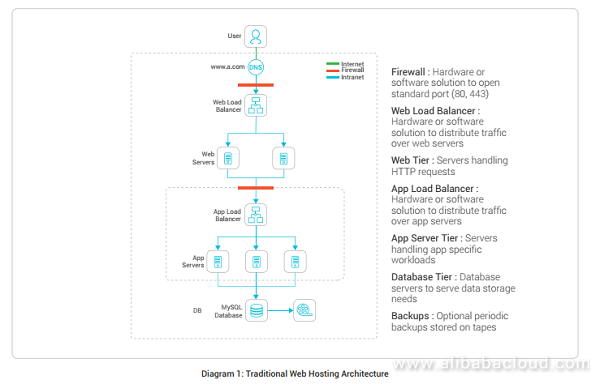
Credit: www.alibabacloud.com
Cloud Hosting
Cloud hosting is very reliable. It uses many servers to keep websites online. If one server fails, another takes over. This makes downtime rare. Costs can be high though. Prices change based on use. Beginners might find it hard to manage.
Scalability is another big benefit. Users can easily add more resources. As traffic grows, the website keeps running smoothly. Security is strong but needs proper setup. Data is spread across many servers.
E-commerce sites benefit greatly. They need to handle lots of traffic. Cloud hosting is also good for business websites. It helps manage sudden spikes in visitors. Startups with changing needs can also use it. They can adjust resources as needed. Educational platforms find it useful too. They often have many users online at once.
Popular Hosting Providers
Many companies offer web hosting services. Some big names include Bluehost, HostGator, and SiteGround. Each has its own strengths and weaknesses. Bluehost is known for its user-friendly setup. HostGator offers affordable plans. SiteGround is praised for its excellent support. Choosing depends on your needs. Each provider has different features and pricing. It’s important to compare them.
| Provider | Strength | Weakness |
|---|---|---|
| Bluehost | Easy Setup | Limited Storage |
| HostGator | Low Cost | Slow Support |
| SiteGround | Great Support | Higher Price |

Credit: www.sectorlink.com
Deciding On The Right Server
Choosing the best server depends on your website needs. Small sites can use shared servers. These are cost-effective and easy to manage. Bigger sites might need VPS or dedicated servers. VPS gives more control than shared hosting. Dedicated servers offer the most power and flexibility.
Consider your budget and technical skills. Shared hosting is good for beginners. VPS suits medium-sized businesses. Dedicated servers are best for large sites. Think about future growth. Choose a server that fits your plans. Look for reliable service and support. Compare options carefully before deciding.

Credit: www.accuwebhosting.com
Frequently Asked Questions
What Is The Best Server Hosting Website?
The best server hosting websites include Bluehost, SiteGround, and HostGator. Each offers reliable performance, excellent customer support, and competitive pricing. Consider your needs for features, scalability, and budget when choosing a provider. Always review user feedback and compare options to find the best fit for your requirements.
Which Server Is Used For Web Hosting?
Web hosting uses servers like Apache, Nginx, or Microsoft IIS. These servers manage and deliver website content efficiently. Linux and Windows are popular operating systems supporting these servers. Hosting providers often choose based on performance, security, and compatibility with web technologies.
What Is The Best Server Location For Web Hosting?
Choose a server location close to your target audience. This improves website speed and user experience. Consider legal regulations and data privacy. Test server performance before finalizing.
Which Hosting Is The Best For A Website?
The best hosting depends on your needs. For beginners, Bluehost is highly recommended. For speed, consider SiteGround. For scalability, AWS or Google Cloud are top choices. Always assess performance, support, and cost before deciding.
Conclusion
Choosing the right server is key to effective web hosting. Understand your needs. Compare options carefully. Shared hosting suits small sites. VPS offers more control. Dedicated servers give full resources. Cloud hosting provides flexibility. Consider budget and features. Security is vital.
Look for reliable uptime. Check customer support quality. Read reviews and user experiences. Make sure the server matches your site’s growth. Scalability is important for future needs. A good server enhances site performance. Choose wisely for a smoother online presence.
Happy hosting!


