
Have you ever wondered why your favorite websites load quickly and effortlessly? It’s not just magic.
Behind the scenes, there are powerful technologies working tirelessly to ensure you have a seamless online experience. Two crucial elements in this process are web hosts and web servers. At first glance, they might seem like the same thing, but they’re not.
Understanding the difference between a web host and a web server can empower you to make informed decisions about your online presence. Whether you’re launching a personal blog or running an e-commerce platform, knowing these distinctions is vital. Keep reading to discover how each plays a unique role in the web ecosystem and why it matters to you.

Credit: www.hostinger.com
Web Host Basics
A web host provides space on the internet. It stores your website files. People can visit your site using this space. It keeps your site live. A web host has servers. These servers keep your site running.
Web hosts manage many things. They keep your site safe. They make sure your site loads fast. They offer tools to build and update your site. Web hosts also provide technical support. They help fix problems. They ensure your site stays online.
Web Server Essentials
A web server is a computer system. It stores and delivers web pages. These pages are shown in your web browser. Web servers use HTTP to send data. HTTP stands for Hypertext Transfer Protocol. They also handle requests from users. Users ask for web pages. The server replies with the correct page.
Web servers do many tasks. They host websites. They store files. They send files to users. They make sure websites work well. They keep data safe. They support many users at once. They manage requests quickly. They provide pages fast. They keep the website online all the time. They also update software regularly. They fix problems if they occur.
Key Differences
Web hosts store websites. They make sites available on the internet. Web hosts are like houses for websites. You rent space from them. Web servers deliver web pages. They respond to user requests. Servers act like waiters. They bring what you ask for.
Web hosts focus on storage. They keep your website safe. Web servers focus on delivery. They ensure pages load quickly. Hosts give you tools. You use them to manage your site. Servers use software. This software sends data to browsers.
Web hosts offer storage plans. They include disk space and bandwidth. Hosts manage security features. They provide backups and support. Web servers run operating systems. They use processors and RAM. Servers use software like Apache. They manage traffic and requests.
Hosts may offer control panels. You use them to adjust settings. Servers use server-side languages. These include PHP and Python. Hosts often have user-friendly interfaces. Servers require technical knowledge. Understanding these helps in choosing the right service.

Credit: diggitymarketing.com
Common Misconceptions
Many people mix up web hosts and web servers. This confusion is common. A web host is like a house for websites. It stores website data. A web server is like a waiter. It brings your website to visitors.
Both are important. But they do different jobs. A web host keeps your site online. A web server delivers your site to users. Understanding these roles helps in choosing services. Each plays a unique part in website management.
Choosing The Right Option
Choosing between a web host and a web server can be tricky. Think about your needs first. A web host keeps your website online. A web server stores files and data. Big websites need both. Small sites may only need a host. Budget matters too. Hosts are cheaper than servers. Don’t forget security. Hosting companies often have strong security.
- Check the price. Stay within your budget.
- Look at features. Some hosts offer extras.
- Read reviews. See what others say.
- Ask about support. Good help is important.
- Think about security. Keep your site safe.
Credit: themesurface.com
Future Trends
Understanding the difference between a web host and a web server is crucial for anyone managing a website. A web host provides the space where your website lives online, while a web server is the machine that stores, processes, and serves website data.
Knowing these distinctions helps in choosing the right services for website management.
Evolving Technologies
Technology changes every day. Web hosts and servers must keep up. Cloud computing is growing fast. It helps in scaling resources quickly. Artificial Intelligence is now in hosting. It manages servers better.
Security is a big focus. Hosts use advanced encryption to protect data. Green hosting is also trending. It uses less energy. Helps the environment.
Impact On Hosting And Servers
5G technology is coming. It will make websites faster. Data centers are getting bigger. They store more information. Virtualization is popular. It allows multiple servers on one machine.
Automation makes tasks easier. It reduces human error. Blockchain is helping in security. It keeps data safe and secure.
Frequently Asked Questions
What Is The Difference Between Web Server And Web Hosting?
A web server is a computer that stores and delivers website content. Web hosting is a service providing storage and access for websites on the internet.
What Is The Difference Between A Server And Host?
A server is a computer system that provides data or services. A host is a device that connects to a network. Servers manage resources, while hosts use those resources. Both are crucial for network functionality, but they serve different roles.
Is Every Website Hosted On A Server?
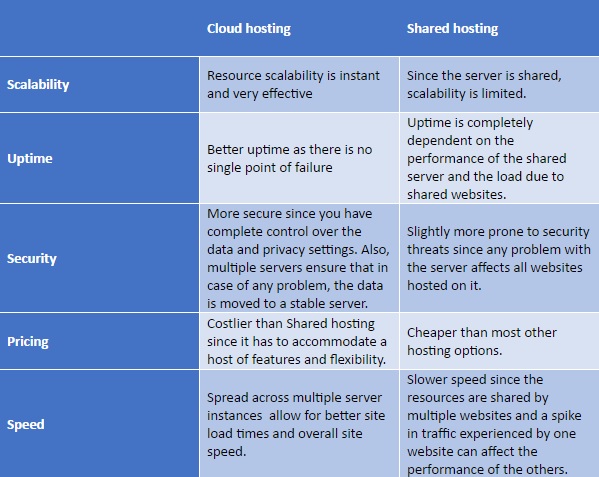
Yes, every website needs a server to store and deliver its content. Servers host the files, databases, and applications required for websites. They ensure that visitors can access the site online. Hosting can be shared, dedicated, or cloud-based, depending on the website’s needs.
Do You Need A Web Server To Host A Website?
Yes, you need a web server to host a website. It stores files and makes your site accessible online. Without a server, users can’t access your content on the internet. Hosting services or personal servers can be used to manage this, ensuring your website remains operational and accessible.
Conclusion
Understanding the difference helps you choose the right tools. A web host stores your website files. A web server delivers those files to users. Both are crucial for your site’s performance. Choosing wisely affects your site’s speed and reliability. A good host provides secure storage.
A reliable server ensures fast access to your site. Keep these differences in mind when setting up your website. The right choice can enhance your online presence. Make informed decisions for a seamless user experience. Your website’s success depends on these essential components.


