
Have you ever noticed the little padlock icon in your browser’s address bar when visiting a website? That tiny symbol represents something crucial for your online safety—SSL.
But what exactly does SSL stand for in web hosting, and why should you care? Understanding SSL isn’t just for tech gurus; it’s essential for anyone who uses the internet. Whether you own a website or simply browse online, SSL plays a significant role in keeping your personal information secure.
You’ll discover what SSL means, why it’s vital for web hosting, and how it impacts your online experiences. Stick around, and you might just unlock the secret to a safer, more secure internet journey.
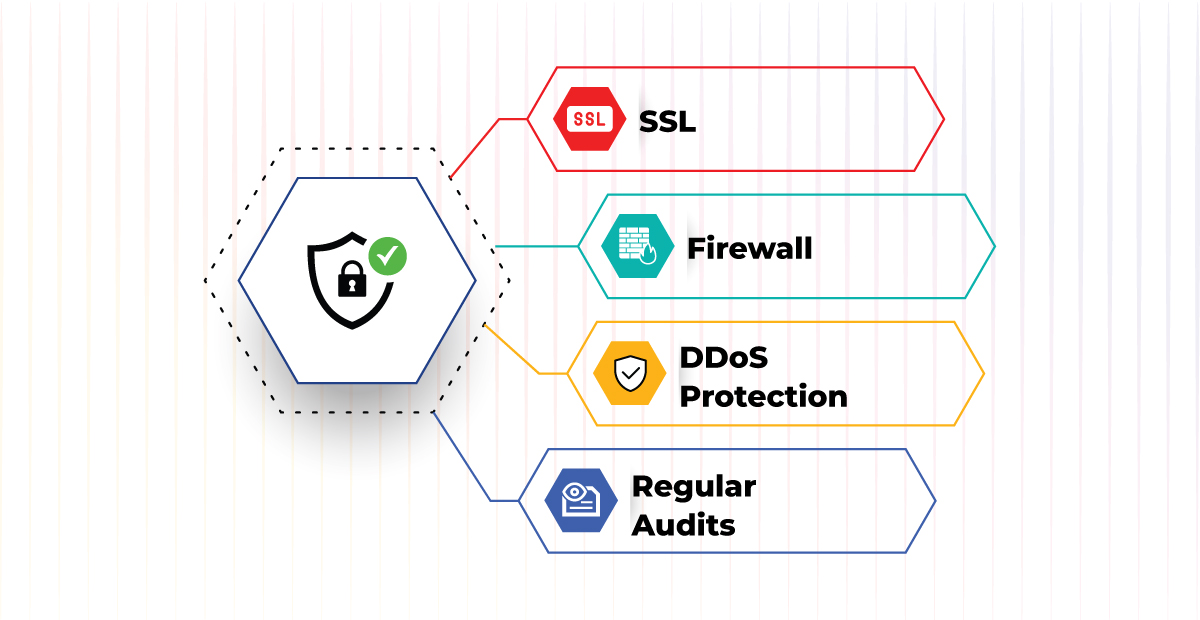
Credit: www.accuwebhosting.com
Ssl Basics
SSL stands for Secure Sockets Layer. It is a technology that keeps your internet connection safe. SSL does this by encrypting the data. This means it turns data into a secret code. So, only the right people can read it. Websites use SSL to protect information. This includes passwords and credit card numbers. SSL helps keep your data private and secure.
SSL is very important for web hosting. It makes sure that websites are safe and trustworthy. Visitors feel secure when they see a padlock symbol. This means the site uses SSL. SSL helps keep hackers away from your information. Websites with SSL rank better on search engines. This is good for business. SSL is a must for every website today.
How Ssl Works
SSL uses an encryption mechanism to keep data safe. It changes readable data into a secret code. This process is called encryption. Only the right person can decode it. This keeps data private between users and websites. Nobody else can read the data.
SSL uses two keys for encryption: a public key and a private key. The public key is shared with everyone. The private key is kept secret. These keys work together to lock and unlock data. They ensure that only the right people can access sensitive information.
The SSL handshake is like a special greeting. It happens when a user connects to a website. First, the user’s computer says “Hello” to the server. The server replies with its public key. Next, the user’s computer creates a secret key. It encrypts it using the server’s public key.
The server then uses its private key to unlock the secret key. Now, both the server and user have the same secret key. They use this key to keep their chat private. This process makes sure that data stays safe and only the right people can see it.
Benefits Of Ssl
SSL protects your website data. It stops hackers. Information stays safe. SSL encrypts messages between servers. No one else can see them. It keeps personal data safe. SSL is vital for online safety.
SSL builds trust. Users feel safe. Websites with SSL show a padlock symbol. This symbol means security. People are more likely to visit safe sites. Trust leads to more visitors.
SSL helps with SEO. Search engines like secure sites. Websites rank higher with SSL. More people find your site. SSL improves visibility. SSL boosts your site’s reputation.
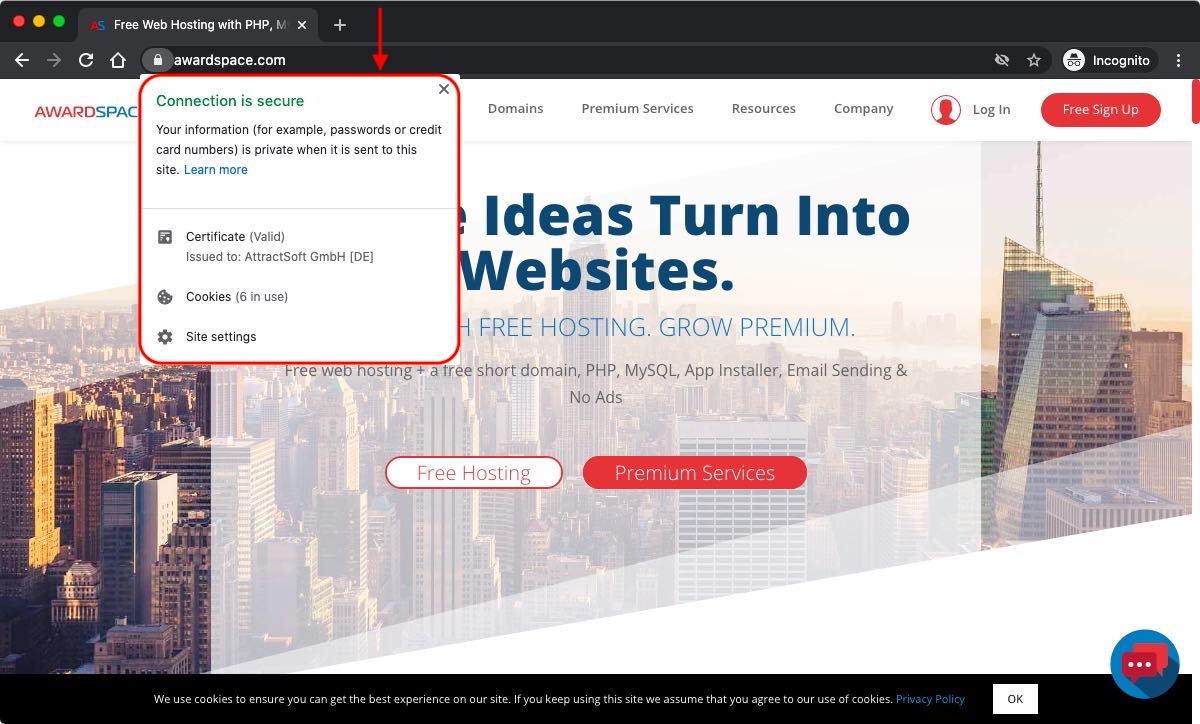
Credit: www.awardspace.com
Types Of Ssl Certificates
A Domain Validated SSL is the simplest type. It checks if you own the domain. This SSL is quick and easy to get. It offers basic security for websites. Most small sites use this type. It does not check the owner’s identity. This makes it less secure than others.
Organization Validated SSL provides more security. It checks if your organization is real. This SSL shows trust to visitors. Businesses often use this type. It takes longer to get than Domain Validated SSL. It gives more information about the owner. This makes it more reliable.
Extended Validation SSL is the top level of security. It requires deep checks about the owner. This SSL displays a green bar in browsers. It shows the company’s name too. Most banks and big companies use this SSL. It takes the longest to issue. It offers the most trust and security.
Ssl Implementation
SSL certificates keep your website safe. Follow these steps to install one. First, choose a good SSL provider. Next, buy the SSL certificate. Then, go to your hosting account. Find the SSL section. Upload your SSL certificate there. Most hosts have this option. After uploading, activate the SSL. Your website should now have a green lock. This means it is secure. Some providers offer automatic installation. Check if yours does.
Common problems occur during SSL setup. Sometimes, SSL may not show up. Your browser might give an error. This means the setup was wrong. Make sure your SSL is correct. Another issue is mixed content. This happens when some parts are not secured. Fix these by changing links to HTTPS. Some hosts have a support team. They can help with problems. Always check your SSL settings. Ensure everything is secure.
Choosing The Right Ssl
SSL stands for Secure Sockets Layer in web hosting. It encrypts data between websites and visitors, ensuring security. Choosing the right SSL protects sensitive information and builds trust with your audience.
Factors To Consider
SSL certificates protect data sent online. Security level matters most. Some sites need strong encryption. Others need basic protection. Check compatibility with your hosting. Make sure it works with your setup. Look at price. Some SSLs cost more. Others are free. Support is key. Good support helps solve problems fast. Ease of installation is important. Some SSLs are hard to set up. Others are simple. Choose what fits your needs.
Comparing Ssl Providers
Compare features of different SSL providers. Look at customer reviews. They show real experiences. Uptime guarantees are vital. Some providers offer better uptime. Refund policies can help. Some providers offer money back. Customer support varies. Good support fixes issues quickly. Check for extra services. Some providers offer more than SSL. Choose a provider that suits you best.
Future Of Ssl In Web Hosting
SSL is becoming more important. It helps keep data safe. Many websites now use SSL certificates. This trend is growing fast. People want their data protected. SSL makes this possible. It builds trust between websites and users. Websites with SSL are seen as safe. This boosts their popularity. Businesses notice this trend too. They want secure sites. So, they choose SSL for safety.
Technology moves fast. SSL has changed with it. New tools make SSL better. Encryption is now stronger. This keeps data very secure. New software helps manage SSL. It makes the process easier. Users find it simple to use. As tech grows, SSL will grow too. It will become smarter and safer. This helps protect everyone’s data online.

Credit: designmodo.com
Frequently Asked Questions
What Is Ssl In Web Hosting?
SSL in web hosting encrypts data between a website and its users. It secures sensitive information like passwords. Websites with SSL display HTTPS, enhancing trust and security. Installing an SSL certificate is crucial for protecting user data and improving search engine rankings.
How To Fix Ssl Certificate Error?
Check your system clock, ensure it’s accurate. Update your browser and clear cache. Verify SSL certificate validity. Contact your hosting provider for support.
Why Is Ssl No Longer Used?
SSL is outdated and insecure due to vulnerabilities. Modern protocols like TLS offer enhanced encryption and security. Switching to TLS ensures safer data transmission and protects against cyber threats. SSL’s weaknesses make it unsuitable for today’s internet security requirements. TLS is now the industry standard for secure connections.
What Is The Difference Between Ssl And Https?
SSL encrypts data between a user’s browser and the server. HTTPS is HTTP with SSL encryption, ensuring secure communication over the internet.
Conclusion
SSL plays a vital role in web hosting. It secures data between users and websites. Trust builds when visitors see a secure connection. SSL certificates protect against hackers and threats. They improve search engine rankings too. Users feel safe, boosting site traffic.
Choosing SSL shows commitment to security and privacy. Consider implementing SSL for a safer online presence. Your website visitors will appreciate the peace of mind. Secure connections make a big difference. Protect your site today with SSL.


