
Imagine browsing your favorite websites or streaming your latest binge-worthy series without a hitch. Ever wondered what makes this seamless experience possible?
It all boils down to a fascinating interaction between server hosts and web clients. These two components are at the heart of your digital adventures, ensuring everything runs smoothly. But what exactly is a server host web client, and why should you care?
You’re about to uncover the secrets behind the technology that powers your online life. Understanding this relationship could transform how you perceive the internet, making your everyday browsing experience even more rewarding. So, let’s dive in and explore the essentials that could make you a more informed and savvy internet user!
Server Basics
A server is a computer or system that provides services to other computers, known as clients. It stores data, manages network resources, and responds to client requests. Clients connect to servers to access files, websites, or applications. Servers are crucial for networks and the internet.
Servers come in different types. Web servers host websites and deliver web pages. File servers store and manage files for users. Database servers handle databases and manage data. Mail servers manage email sending and receiving. Each type has its role in a network.
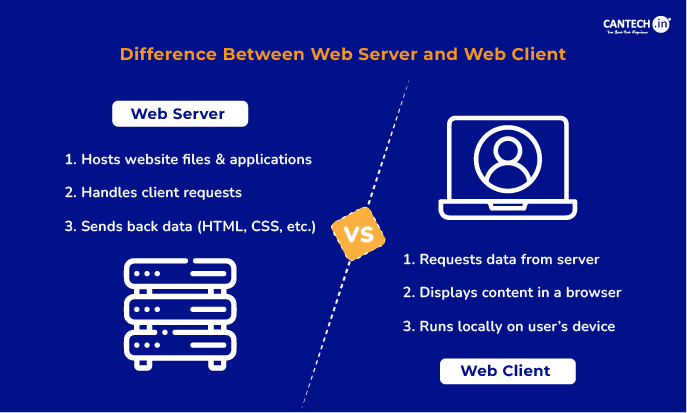
Credit: www.cantech.in
Host Functions
A host is like a home for websites. It stores all the data and files needed for a site. Without a host, websites cannot be seen. The host makes sure the website is always online and working. It also helps keep the website safe from harm.
There are different types of hosting. Shared hosting is like sharing a room. Many websites use the same server. Dedicated hosting gives a website its own server. This is like having your own house. Cloud hosting uses many servers. It is flexible and can grow with the website’s needs. Each type has its own benefits and drawbacks. Choose the right one based on your needs.
Web Client Overview
A web client is a computer or software that connects to a server. It is used to access websites or online services. Think of it like a tool that helps you browse the internet. The most common example is your web browser like Chrome or Firefox. These clients talk to servers to get information. Then, they show this data on your screen. They are essential for using the internet every day.
- Web Browsers like Chrome, Firefox, and Safari.
- Email Clients such as Outlook and Gmail.
- Chat Applications like WhatsApp Web and Messenger.
- Online Gaming Clients that connect players to servers.

Credit: help.campusmanagement.com
Server-client Interaction
Servers and clients talk using communication protocols. These protocols set rules for data exchange. Common protocols are HTTP and FTP. HTTP is used for web pages. FTP is for file transfers. Protocols ensure safe and reliable data sharing. They help devices understand each other. Without them, devices cannot communicate well.
The server sends data to the client. The client asks for data first. The server listens and responds. This process is fast and efficient. Data travels over the internet. It goes back and forth quickly. Servers use IP addresses to find clients. Clients use these addresses to find servers too. This helps in smooth data exchange.
Hosting And Client Services
Web hosting services give your website a home on the internet. They store your website files so others can see them. Choosing the right host is very important. Speed and security are key factors. Many hosts offer different types of services. Some include shared hosting and dedicated hosting. Shared hosting is cheaper. Dedicated hosting gives more control and power.
Client-side technologies make websites interactive. They run in your browser. JavaScript is very popular. It helps add cool features to websites. HTML and CSS are also client-side technologies. HTML builds the structure. CSS styles it, making it pretty. These tools work together to create a complete web experience.
Benefits Of Server Host Web Client
A server host web client improves efficiency. It processes data quickly. This makes tasks run faster. Less time waiting means more time doing. Performance is better too. It reduces errors and boosts accuracy. Your web pages load faster. It helps keep users happy. Fast websites are more enjoyable. People like quick responses.
Scalability allows your system to grow. As users increase, your system can handle it. No need to worry about limits. This means you can add more features. Flexibility is important too. It lets you adapt to changes. You can modify settings easily. This keeps your system current and reliable. Both scalability and flexibility are key to a good web client.
Challenges And Considerations
Security is a big topic. Hackers can attack servers. They steal data. Protecting data is very important. Firewalls can help. They block bad traffic. Strong passwords also help. Change them often. Keep software updated. Updates fix security holes. Don’t ignore them.
Maintenance keeps servers running well. Check them often. Fix problems quickly. Support is important too. Users need help sometimes. Offer good support. Be available for questions. Teach users how to solve simple problems. This saves time for everyone.

Credit: learntomato.flashrouters.com
Frequently Asked Questions
What Is A Web Server And Web Client?
A web server stores and delivers website content to users. A web client, like a browser, requests and displays this content.
What Is The Difference Between A Server Host And A Client Host?
A server host provides resources and services to other computers, while a client host accesses those services. Server hosts manage data, while client hosts request and use it. Server hosts are central, and client hosts are usually remote. This client-server model supports network communication.
What Is Web Host And Hosting Server?
A web host provides services for storing and serving websites on the internet. A hosting server is the physical machine where website files reside, ensuring online accessibility.
What Is An Example Of A Web Client?
A web client example is Google Chrome. It is a popular browser used to access websites and web applications. Other examples include Mozilla Firefox, Safari, and Microsoft Edge. Web clients interact with servers to display web content to users, offering functionalities like browsing, bookmarking, and managing cookies.
Conclusion
Understanding server-host web clients is crucial in today’s digital world. They help in managing online data efficiently. This knowledge supports smooth website functions. It keeps users happy with fast loading times. Clear communication between servers and clients is key. It ensures data flows without interruptions.
Businesses benefit from well-managed web clients. It leads to better user experiences. Explore these tools to enhance your online presence. Stay updated with new technology trends. It helps improve website performance. Keep learning to adapt to digital changes. Your website’s success depends on it.


