
Are you feeling overwhelmed by the jargon of web hosting? You’re not alone.
One term that often confuses many is “web space. ” Understanding web space is crucial, especially if you’re planning to launch a website or blog. It’s the foundation upon which your digital presence is built. Imagine running out of room for your favorite clothes in your closet.
Frustrating, right? Similarly, without enough web space, your website can’t store all the files, images, and data it needs to function smoothly. But what exactly is web space, and why is it so vital for your online success? Stick around, and you’ll discover how web space impacts your site’s performance and what you need to know to choose the right hosting plan. By the end of this article, you’ll be equipped with the knowledge to make informed decisions, ensuring your website runs seamlessly. Ready to dive in? Let’s unravel the mysteries of web space in hosting together.
Web Space Essentials
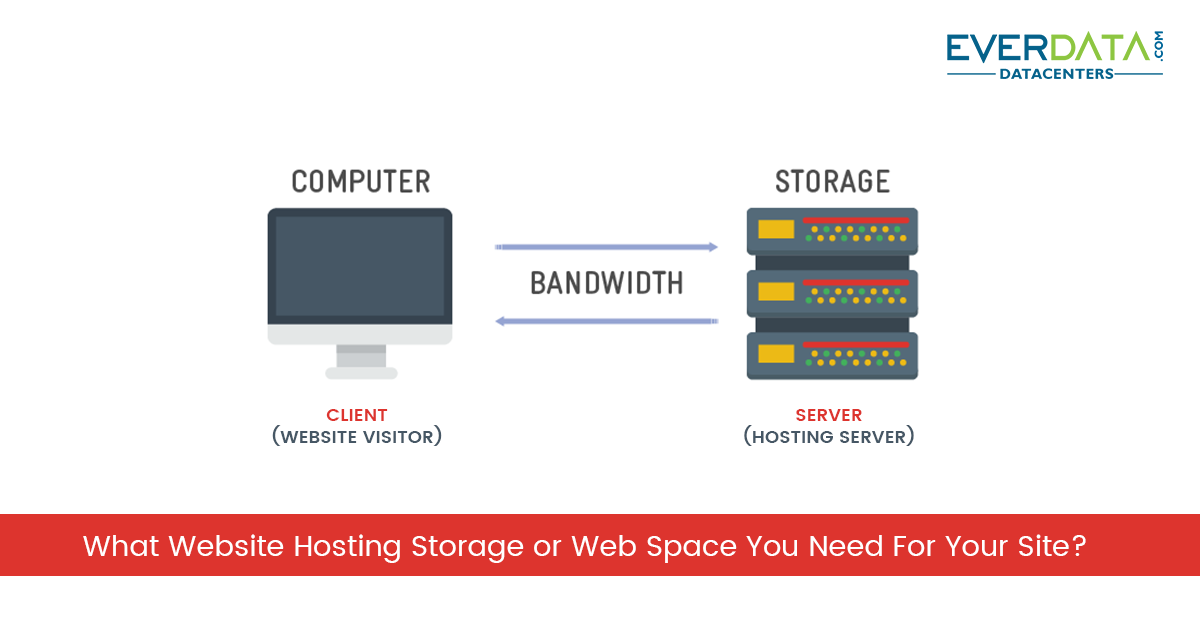
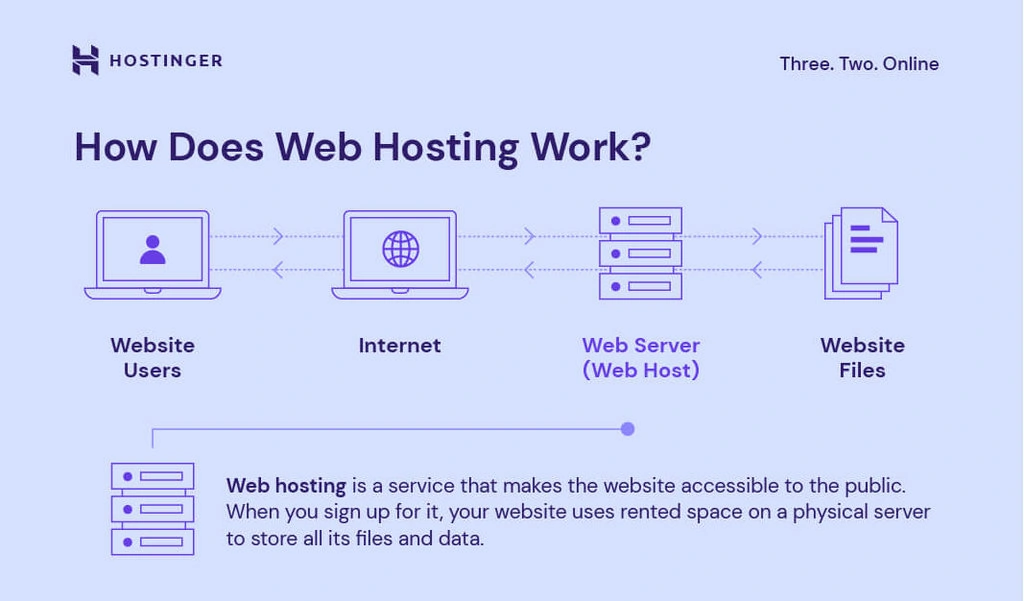
Web space is the storage area on a server. It holds your website’s files. This includes images, text, and videos. Everything you see online sits in web space. It’s like a virtual bookshelf. Every file has its own spot. This space is measured in megabytes or gigabytes. More space means more files can fit.
Web space is essential for hosting. It affects how much content you can store. Larger websites need more space. If the space is full, you can’t add new files. It also affects site speed. More space can help with faster loading. Proper web space planning keeps your site running smoothly. Choose hosting plans with enough space. This ensures your site stays online.
Credit: www.everdata.com
Types Of Web Space
In shared hosting, many websites share one server. It’s like sharing a room with friends. It is the cheapest option for hosting. But, it can be slow when many people visit websites. If one website gets busy, others might slow down too. This is great for small websites and beginners.
Dedicated hosting means you get your own server. No sharing with others. It is fast and reliable. You have full control over the server. This is perfect for big websites with many visitors. But, it costs more than shared hosting. It is best for businesses that need strong security and speed.
VPS stands for Virtual Private Server. It is like having a piece of a big server. It offers more control than shared hosting. You get more speed and power. It is cheaper than dedicated hosting. Good for growing websites that need more resources. It offers a balance between cost and performance.
Cloud hosting uses many servers working together. Your website can use resources from many places. It is very flexible and reliable. If one server fails, another takes over. You pay for what you use. It is great for websites that get busy sometimes. Perfect for businesses that need to grow fast.
Factors Affecting Web Space
Web hosting offers different storage limits. Some plans have more space. Others have less. Storage space affects what you can store. Images, videos, and files use space. Choose a plan that fits your needs. Don’t run out of space. It’s bad for your website.
Bandwidth is important. It controls data flow. More bandwidth means more visitors. Less bandwidth limits traffic. Some hosts offer unlimited bandwidth. Others have limits. Check your needs. Ensure enough bandwidth for smooth operation. Don’t let low bandwidth slow you down.
Scalability lets you grow. As your site grows, you need more space. Some hosts offer easy upgrades. Others don’t. Choose hosts with easy scalability. Expand your web space as needed. Keep your site running smoothly. Don’t let growth cause issues.
Choosing The Right Web Space
Think about what your website needs. Will it have many images? Or just text? More images need more web space. Simple websites need less. Plan carefully. Use only what you need. Save space for later use.
Money matters when choosing web space. Bigger space costs more. Small businesses may choose less space. Large businesses might need more. Choose a plan that fits your budget. Make sure it covers your needs.
Websites can grow over time. You may add more pages. Or more features. Plan for extra space. Think about future needs. Choose a plan that can grow with you. This way, your website can grow without problems.
Managing Web Space Effectively
Regular checks help keep your web space healthy. Watch out for unnecessary files. They take up space. Use tools to track storage use. This helps avoid running out of space. Stay updated with your web space needs. Adjust as necessary.
Data optimization saves web space. Use compression tools for images. They reduce file size. Remove duplicate files. They take up extra space. Organize data well. Keep files in the right folders. This makes finding and using files easier.
Backups keep data safe. Use cloud storage for backups. It saves space on your server. Backups protect against data loss. Choose reliable backup tools. Regular backups are important. They help recover data quickly if needed.
Credit: www.hostinger.com
Common Challenges
Understanding web space in hosting involves recognizing storage limitations. Users often face challenges with insufficient space for their growing content. Balancing storage needs and costs can also be tricky for many.
Overcoming Storage Limitations
Many websites need a lot of space. But hosts have limited storage. This can be a problem. Choose a plan with enough storage. Clean up unused files. This frees up space. Use compression tools for images. They make images smaller. This saves space too.
Handling Traffic Surges
Websites sometimes get many visitors. This is called a traffic surge. It can slow down sites. Or even crash them. Choose a host with scalable options. This helps manage more traffic. Use content delivery networks (CDNs). They spread traffic. This keeps sites fast.
Avoiding Downtime
Downtime means a site is not working. This can upset users. Choose a host with high uptime. This means the site works most of the time. Have a backup plan. This helps if something goes wrong. Regularly check the site. Ensure it runs smoothly.
Latest Trends In Web Hosting
Web space in hosting refers to the storage available on a server for your website files. It includes text, images, and databases. Understanding web space is crucial for managing online content efficiently. Choose a hosting plan with adequate space to ensure smooth website performance.
Green Hosting
Companies now focus on eco-friendly solutions. Web hosts use renewable energy to power servers. This helps reduce carbon footprints. Users prefer hosts that care for environment. Green hosting is trending and gaining popularity. It’s good for our planet and future.
Ai And Automation
AI makes hosting smarter. It helps in server management. Tasks are now faster and more efficient. Automation reduces human errors. Sites run smoothly with less downtime. AI predicts problems before they happen. This saves time and resources.
Enhanced Security Features
Security is very important. Hosts offer better protection now. Features like SSL certificates are common. Firewalls keep data safe from hackers. Regular backups protect user information. Users trust hosts with strong security measures. Safety is key in web hosting.
Credit: www.bitcatcha.com
Frequently Asked Questions
What Do You Mean By Web Space?
Web space refers to the storage area on a web server for hosting websites. It includes files, images, and databases necessary for website functionality. Web space is crucial for online presence, allowing users to access your site via the internet.
What Is Web Spacing?
Web spacing refers to the layout and arrangement of elements on a website. It ensures proper alignment, readability, and user experience. Effective web spacing enhances visual appeal and helps users navigate content easily. It includes margins, padding, and white space between text, images, and other components.
What Are The 3 Types Of Web Hosting?
The three types of web hosting are shared hosting, VPS hosting, and dedicated hosting. Shared hosting is cost-effective and ideal for beginners. VPS hosting offers more control and resources. Dedicated hosting provides exclusive server access, suitable for large websites with high traffic.
Choose based on your website’s needs.
What Is Web Hosting Storage?
Web hosting storage refers to the space provided on a server to store website files. It includes images, scripts, databases, and other content. Adequate storage ensures your site functions smoothly and loads quickly. Choose a hosting plan that matches your website’s needs for optimal performance.
Conclusion
Web space is crucial in hosting. It stores your website’s files. Think of it as your site’s online storage. Choose wisely based on your needs. Consider the size and type of your website. Small sites need less space. Bigger sites need more.
Check the hosting plan carefully. Make sure it offers enough web space. This ensures smooth operation of your site. An informed choice leads to better website performance. Keep these tips in mind. Your website will thank you. Stay informed and choose the right hosting solution.


