
Imagine you’ve just crafted a beautiful website, ready to share your brand, ideas, or services with the world. But how do you get it online for everyone to see?
This is where web hosting service providers come into play. They are the backbone of your online presence, ensuring your site is accessible and running smoothly at all times. You might be wondering, what exactly do these providers do, and why are they so important for your website’s success?
As you delve deeper into this article, you’ll uncover the secrets of how web hosting services work and discover how choosing the right provider can make or break your online journey. Prepare to unlock the potential of your website and captivate your audience with seamless performance and reliability. Read on to find out more!
Types Of Web Hosting
In shared hosting, many websites use one server. This makes it the cheapest option. It is great for small websites and beginners. Resources are shared with others, so it may get slow. Security might be a concern because of shared resources.
VPS stands for Virtual Private Server. Here, a server is split into virtual parts. Each website gets its own part. This gives more control and better performance. It costs more than shared hosting. A good choice for growing websites.
Dedicated hosting means you get a whole server for your website. This is the most powerful and secure option. It is also the most expensive. Best for big websites with a lot of visitors. You have full control over the server.
Cloud hosting uses many servers together. It is very flexible and can handle a lot of traffic. If one server fails, others help out. This makes it very reliable. Costs can vary, but it is a strong choice for many websites.

Credit: www.techradar.com
Key Features To Look For
Bandwidth is like the road for your website. More bandwidth means more visitors can come at the same time. Think of storage as your website’s closet. You need enough space for all your files. Unlimited bandwidth and storage are usually the best options. Always check how much you need before choosing a plan.
Uptime means your website is always online. Providers often promise 99% uptime. This means your site will rarely go down. A good uptime guarantee is very important. It makes sure people can visit your site anytime.
Websites can face attacks. Good security keeps your site safe. Look for firewalls and SSL certificates. They protect your data. Regular backups are also important. They help recover your site if something goes wrong.
Problems can happen anytime. Good customer support is like a superhero. They fix issues quickly. Look for 24/7 support. This means help is always available. Live chat and phone support are the best options.
Popular Web Hosting Providers
Bluehost is a well-known hosting provider. Many users trust it. It offers easy-to-use tools. Users can create websites quickly. Free domain for the first year is included. It has excellent customer support.
HostGator is another popular choice. It provides affordable hosting plans. Users get 24/7 support. It is great for small businesses. HostGator has one-click installs for many apps.
SiteGround stands out for fast servers. It ensures high uptime for websites. Daily backups keep your site safe. SiteGround is famous for its friendly support team.
DreamHost is loved by many. It offers unlimited bandwidth. Users enjoy customizable plans. DreamHost has a 97-day money-back guarantee. It provides strong security features.
Credit: wpactivethemes.com
Comparing Pricing Models
Monthly plans are good for short-term needs. They have more flexibility. Annual plans are cheaper overall. You pay once a year. This saves more money. Choose what suits you best. Think about your budget and needs.
Free hosting is a good start. But, it has limits. Paid hosting offers more features. Better speed and support too. You get more control. Free hosting might have ads. Paid hosting usually does not. Decide based on your needs.
There might be extra costs. Domain name is one. SSL certificates keep data safe. Some hosts charge for backups. Check for email services cost too. Always read the fine print. Know what you are paying for.
Choosing The Right Provider
Understanding your needs is crucial. Do you need lots of space? Security is important too. Think about the number of visitors on your site. Do you need email services? Consider technical support. Small businesses may need less. Big companies need more features. Choose a provider that fits your needs.
Reviews help you learn about providers. Customers share their experience online. Check for reliability and speed. Read about customer support. Look for feedback on features. Reviews can show pros and cons. They help you make a wise choice.
Many providers offer trial periods. Test their services for a few weeks. Try the features and speed. Assess customer support. Trials help you see if the provider fits your needs. Use this time to make a good decision.
Credit: www.ramotion.com
Future Trends In Web Hosting
Green hosting uses less energy. It helps the planet. Data centers can use a lot of power. Green hosting uses renewable energy. This type of hosting is getting popular. People care about the environment. They want their websites to be green too. Some companies plant trees. Others use solar panels. It’s a step towards a better world.
AI makes web hosting smarter. It can fix issues fast. Automation helps with updates. It saves time. AI can predict problems. This keeps websites running smoothly. Users like fast sites. Automation can handle tasks easily. This means less work for humans. AI and Automation make hosting efficient.
Edge computing brings data closer to users. It makes websites faster. Data travels less. This means quicker loading times. Edge computing is good for busy sites. It helps with video streaming. Users get a better experience. It’s important for real-time data. Edge computing is the future of hosting.
Frequently Asked Questions
What Is A Web Hosting Service Provider?
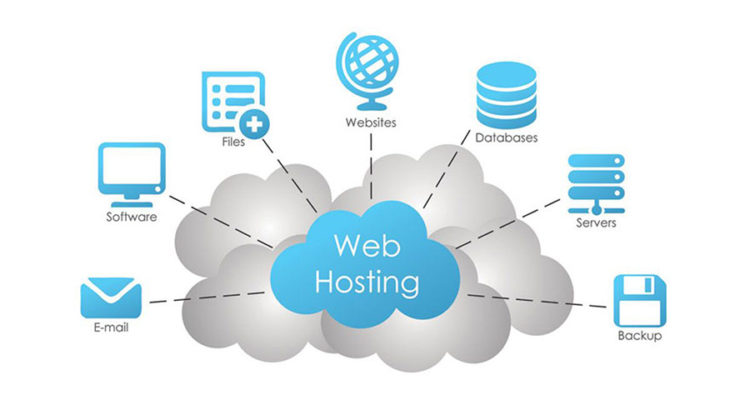
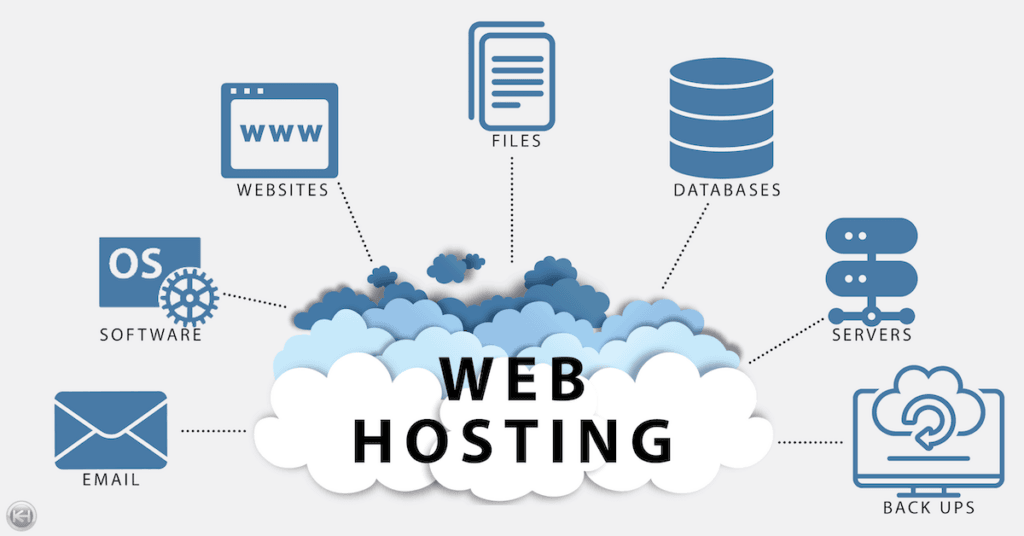
A web hosting service provider offers the technology and services needed for websites to be viewed online. They store website data on their servers, ensuring website accessibility and performance. By purchasing hosting, users gain a space on the internet where their website can be accessed by visitors globally.
What Is An Example Of A Web Hosting Service?
An example of a web hosting service is Bluehost. It provides reliable hosting solutions for websites. They offer shared hosting, VPS, and dedicated servers. Bluehost is popular for its user-friendly interface and 24/7 customer support. It’s suitable for beginners and professionals alike, ensuring seamless website performance.
What Are The 3 Types Of Web Hosting?
The three types of web hosting are shared hosting, VPS hosting, and dedicated hosting. Shared hosting is cost-effective and ideal for beginners. VPS hosting offers more resources and flexibility. Dedicated hosting provides complete server control and is best for high-traffic websites.
Choose based on your website needs and budget.
How Much Does Web Hosting Cost Per Month?
Web hosting costs vary widely, ranging from $3 to $300 per month. Prices depend on features and hosting type. Shared hosting is cheaper, while dedicated hosting costs more. Choose based on your website needs and budget. Compare providers for the best value and performance.
Conclusion
Choosing the right web hosting provider is important. It affects your site’s performance. Fast loading times keep visitors happy. Reliable uptime ensures your site is always available. Security features protect your data and users. Consider your needs before selecting a provider.
Compare plans and prices. Read reviews from other users. Good support can solve issues quickly. Make an informed choice for your website’s success. A suitable provider enhances your online presence. It helps grow your business efficiently. Stay informed and choose wisely.
Your website deserves the best hosting service.


