
Are you on the hunt for the perfect Linux distro to power your web hosting needs? With a myriad of options at your fingertips, choosing the right one can feel overwhelming.
But what if I told you that finding the best Linux distro could be easier than you think? Imagine having a stable, secure, and efficient platform that elevates your web hosting experience. By the end of this article, you’ll uncover the ideal Linux distro tailored to your unique requirements.
Stick around to discover how the right choice can transform your web hosting game and give you peace of mind. Your journey to seamless hosting starts here.
Popular Linux Distros For Web Hosting
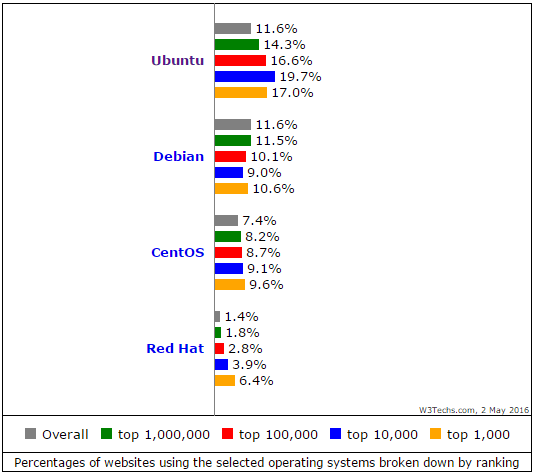
Ubuntu is very popular. Many people use it for web hosting. It has a simple interface. Beginners can use it easily. It also has a big community. They help solve problems quickly.
CentOS is based on Red Hat. It is very stable. This makes it great for hosting. Many businesses prefer CentOS. It also provides good security. Updates are frequent and reliable.
Debian is known for its reliability. It is also very secure. Web servers can run smoothly on Debian. It supports many web applications. Users can trust its long-term support.
Credit: w3techs.com
Key Features To Consider
Performance and speed are crucial for web hosting. Linux distros like CentOS and Ubuntu offer reliable performance. They handle multiple tasks quickly. This ensures websites run smoothly. Fast loading pages keep visitors happy. Choose a distro that supports your hardware well. This boosts overall speed.
Security and stability are vital for keeping data safe. Linux distros are known for their strong security features. They provide regular updates. This helps protect against threats. Stable systems prevent crashes. This ensures websites stay online. Choose distros that have a strong security track record.
Ease of use makes managing servers simpler. Some distros have user-friendly interfaces. They offer tools for easy setup and management. Beginners should look for distros with good community support. This helps solve problems quickly. Friendly interfaces make tasks easier. Choose what suits your skill level.
Centos
CentOS offers stability and reliability, making it a popular choice for web hosting. Its compatibility with enterprise applications enhances server performance. Many businesses trust CentOS for hosting due to its robust security and community support.
Why Choose Centos
CentOS is great for web hosting. It is stable and secure. Many servers run CentOS. It is free to use. CentOS is based on Red Hat. It gets updates often. This keeps the system safe. CentOS has good support. There are many guides online. This helps with troubles. It is easy to find help.
Pros And Cons
| Pros | Cons |
|---|---|
| Stable system | Less user-friendly |
| Strong security | Limited desktop use |
| Free and open source | Older software versions |
| Good community support | Fewer packages |
Credit: www.liquidweb.com
Ubuntu
Ubuntu is very popular for web hosting. It is a stable and reliable option. Many servers use Ubuntu around the world. It supports many applications. This makes it a great choice for web hosting.
Ubuntu is also easy to use. It has a large community. So, you can find help online. Many guides and tutorials are available. This makes learning Ubuntu easier.
| Pros | Cons |
|---|---|
| Free to use | Can be complex |
| Strong community support | Needs regular updates |
| Secure and stable | Uses more resources |
Debian
Debian is very stable. Many people trust it. It has lots of software packages. You can find almost anything. The community is strong. They help if needed. It is very secure too. Safety is key in web hosting. Debian is free to use. It saves money. Many web servers use Debian. It is popular for hosting.
| Pros | Cons |
|---|---|
| Very stable | Not always the latest software |
| Secure | Setup can be tricky for beginners |
| Strong community support | Updates are slow |
Fedora
Fedora is known for its cutting-edge technology. It has frequent updates. This means users get the latest features. Fedora is great for developers. It supports many tools and languages. This makes it ideal for those who build web apps. Security is a strong focus in Fedora. It offers advanced security features. These keep your hosting environment safe. Fedora’s community is active. You can get help when you need it. Fedora’s performance is reliable. It runs well on many servers.
Pros And Cons
| Pros | Cons |
|---|---|
| Frequent updates | May require frequent maintenance |
| Strong security features | Updates can be complex |
| Great for developers | Less beginner-friendly |
| Active community | Short release cycles |
Comparing Distros
Ubuntu is great for beginners. It runs fast and smooth. CentOS is stable. It handles heavy tasks well. Debian offers excellent speed. It is lightweight. Arch Linux is customizable. It can be optimized for performance. Each distro has its pros. Choose based on your needs.
Ubuntu provides regular security updates. It keeps your server safe. CentOS has a strong security record. It is trusted by many. Debian focuses on security. It has a strict policy for updates. Arch Linux allows custom security settings. Advanced users find it flexible. Consider security needs before choosing.
Ubuntu is user-friendly. It has a simple interface. CentOS is more complex. It is suited for experienced users. Debian offers a clean experience. It is stable and reliable. Arch Linux requires knowledge. It is for those who love learning. Think about your comfort with technology.

Credit: www.liquidweb.com
Choosing The Right Distro
Linux distros offer many choices for web hosting. Each distro has unique features. Assessing your needs is key. Do you need high security? Or is easy management more important? Some distros are perfect for beginners. Others suit experts better. Consider your hosting goals and budget. Some distros are free. Others might have costs for support. Check if the distro has regular updates. Updates keep your system safe.
Make a list of your hosting needs. Decide if you need shared hosting or a dedicated server. Are you hosting a small blog? Or a big website? Different distros suit different tasks. Some are light and fast. Others offer more control. Think about your technical skills. Choose a distro that matches your skills. Some have easy interfaces. Others might need command line skills.
Technical support is crucial for web hosting. Some distros offer community support. Others have paid support options. Check if the distro has a large user base. A large community means more resources. Look for forums and guides online. Paid support might be helpful for complex issues. Always ensure the support fits your needs. Reliable support can save time and stress. Choose wisely for peace of mind.
Future Of Linux In Web Hosting
Linux is a popular choice for web hosting. It is open-source and free. Many companies use it. It is known for its stability and security. This makes it a good option for hosting. People trust Linux for their websites. It supports a wide range of applications. This adds to its popularity.
Emerging Trends
New trends are shaping Linux’s future. Cloud hosting is becoming more popular. Linux adapts well to this trend. It is flexible and scalable. This helps in cloud environments. Containerization with tools like Docker is also rising. Linux supports these tools. They help in managing applications better. More developers are looking at Linux.
Potential Challenges
Linux faces some challenges too. Compatibility issues can arise. Not all software runs on Linux. This can be a problem. Support is another challenge. Many users need help. They may not find it easily. Training people to use Linux is important. It can be hard for beginners.
Frequently Asked Questions
What Is The Best Linux Distro For Web Hosting?
Ubuntu Server is often considered the best Linux distro for web hosting. It offers excellent support, stability, and security. Many web hosting providers use it due to its ease of use and extensive documentation. Additionally, CentOS is a popular choice for its enterprise-level reliability and compatibility with various hosting control panels.
What Is The Best Os For Web Server Hosting?
Linux is the best OS for web server hosting. It offers stability, security, and wide support. Many prefer it due to its open-source nature and compatibility with popular web technologies.
Which Linux Os Is Best For Web Development?
Ubuntu is popular for web development, offering a user-friendly interface and extensive support. It’s stable and secure. Fedora is another excellent choice, known for cutting-edge features and robust performance. Both have strong community support, making them ideal for developers seeking reliability and efficiency in web development tasks.
Which Linux Distro Is Best For Home Servers?
Ubuntu Server is ideal for home servers due to its user-friendly interface and vast community support. Debian offers stability and extensive software options, making it another excellent choice. For lightweight needs, consider CentOS or Fedora. All provide robust security features and regular updates.
Conclusion
Choosing the best Linux distro for web hosting depends on your needs. Consider server requirements, security, and ease of use. Ubuntu and CentOS are popular choices. They offer stability and strong community support. Debian is reliable and trusted by many.
Each distro has unique strengths. Evaluate them based on your hosting goals. Experimenting might be necessary to find the right fit. Remember, the right choice boosts performance and security. Make an informed decision for a smooth web hosting experience.


