
Have you ever wondered how your favorite websites appear on the internet? The answer lies in a crucial service called web hosting.
If you’re planning to launch a website or simply curious about how the online world operates, understanding web hosting is essential. Think of it as the foundation that holds every website afloat on the vast sea of the internet. Without it, your website is like a ship without water.
It’s the invisible force that powers your online presence, ensuring your site is accessible to visitors around the globe. But what exactly is web hosting, and why should you care about it? Stick around, as we unravel the mysteries of web hosting and how it impacts your digital journey.
Web Hosting Basics
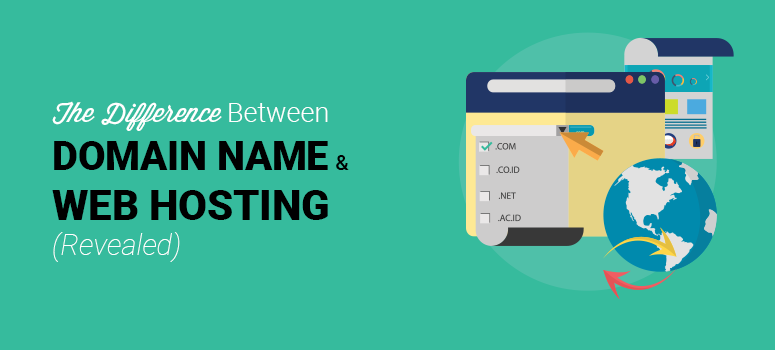
Web hosting is a service that allows websites to be viewed on the internet. It works by storing your website files on a special computer called a server. This server is always connected to the internet. People can visit your website anytime. Hosting makes sure your site is available to everyone. It is important for any website, big or small.
There are different types of web hosting. Shared hosting is where many websites share one server. It’s cheap but can be slow. VPS hosting gives you more control and faster speed. You still share, but less. Dedicated hosting means you get a whole server to yourself. It’s fast but costs more. Cloud hosting is flexible. It uses many servers to balance the load. Each type has its pros and cons.
Credit: www.isitwp.com
Shared Hosting
Shared hosting means many websites on one server. Each site gets a share. This type of hosting is budget-friendly. It’s a great choice for beginners. Easy setup and low cost are big benefits. Users share resources, so it’s cheaper.
Maintenance is handled by the host. No need to worry about updates. Security checks are done by the provider too. Support is available if something goes wrong.
Shared hosting is perfect for small businesses. Also good for personal blogs. It suits websites with low traffic. New websites benefit most from shared hosting. It’s a great starting point.
Vps Hosting
A Virtual Private Server (VPS) is like a personal computer on the internet. It gives you your own space. You share a physical server, but you have your own resources. It works like a private room in a big house. You can install any software you want. You have full control over your server. This is great for people who need more power. It’s like having your own small server.
VPS hosting offers more control than shared hosting. You get more resources like RAM and CPU. It is more secure because you have your own space. Shared hosting puts many websites on one server. On a VPS, you don’t share your resources. This means your site can run faster. It’s a good choice if your website grows.
Dedicated Hosting
Dedicated hosting means you have a server just for you. No sharing with anyone. You get all the server’s power. This makes your website fast and strong. It’s like having your own house, not an apartment.
Businesses with high traffic websites need dedicated hosting. Also, it’s good for sites that need a lot of security. Big e-commerce stores often choose this type. They need to keep customer data safe. Tech-savvy people might like it too. They can control everything on their server.
Cloud Hosting
Scalability is a key feature of cloud hosting. You can add more resources easily. Need more space? Just click a button. It’s simple. Flexibility lets you change settings fast. Adjust your plan as you grow. No need to wait for days. Cloud hosting adapts to your needs.
Now, a comparison with traditional hosting. Traditional hosting limits resources. If your site gets busy, it may slow down. With cloud hosting, this problem is rare. It shares resources across many servers. This makes your site stay fast. Traditional hosting often costs more. Cloud hosting saves money by using resources better.
Choosing The Right Hosting
Start by knowing what your website needs. Small websites might need less. Large websites need more space. Think about the number of visitors. Will you have few or many? Check the features you need. Do you want email hosting? Or maybe database support? Traffic and data are also key. More traffic means more bandwidth. Know these needs first.
Budget matters when choosing hosting. Expensive plans offer more features. Cheaper plans are basic but good for starters. Look for discounts or offers. Monthly or yearly payments are options. Decide based on your budget. Spending wisely is important. Avoid extra costs if possible. Balance cost with what you need. This way, you get value for money.
Hosting Providers
Many companies offer web hosting services. Some popular ones are Bluehost, HostGator, and SiteGround. These companies provide various hosting options. Options include shared, dedicated, and cloud hosting. Each type has its own features and benefits. Users choose based on their needs.
Criteria For Selection
Choosing a hosting provider can be tricky. Consider price and customer support. Reliability and speed are vital too. Read reviews from other users. Check for easy setup and user-friendly tools. Look for extra features like backups and security. Providers often offer a money-back guarantee. This helps if you change your mind.
Credit: momentum3growth.com
Setting Up Web Hosting
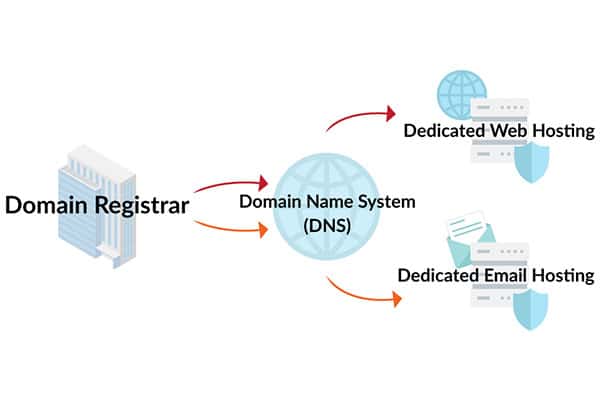
Start by choosing a reliable web hosting provider. Check reviews and compare prices. Then, decide on a suitable hosting plan for your needs. Options include shared, VPS, and dedicated hosting. Purchase a domain name if you don’t have one. It’s your website’s address. After purchasing, link your domain to the hosting server. This process usually involves updating DNS settings. Most providers offer guides to help with this step.
Understanding technical terms can be tough. Words like “bandwidth” and “SSL” may confuse. Also, server downtime is a common issue. It means your site might not be accessible sometimes. Many face problems with slow loading speeds. This can frustrate visitors. Ensure you have enough storage space for your website files. Lastly, setting up security features is crucial. Protect your site from hackers.
Future Of Web Hosting
Web hosting is changing fast. More people want sites online. This means new ways to host sites. Cloud hosting is popular. It is fast and safe. Many people like it. Green hosting is also growing. It helps the Earth. It uses less energy. This is good for our planet.
New technology helps web hosting. Servers are getting smarter. They can do more with less power. Artificial intelligence is part of this. It makes hosting better. AI can fix problems quickly. This keeps sites running smoothly. Another innovation is edge computing. It brings data closer to users. This makes websites load faster.
Security is also improving. Stronger defenses protect data. This keeps information safe. People can trust web hosting more.

Credit: www.elegantthemes.com
Frequently Asked Questions
What Is Meant By Web Hosting?
Web hosting stores your website on a server, making it accessible online. It ensures fast loading speeds and reliable performance. Choose a plan based on your site’s needs, like shared or dedicated hosting. Secure hosting enhances protection against cyber threats.
Optimize with SEO-friendly content for better search rankings.
What Are The Three Types Of Web Hosting?
The three types of web hosting are shared hosting, VPS hosting, and dedicated hosting. Shared hosting is cost-effective and beginner-friendly. VPS hosting offers more resources and control. Dedicated hosting provides exclusive server access for high performance and security. Choose based on your needs and budget.
What Is The Purpose Of A Web Host?
A web host stores and serves website files on the internet. It ensures your site is accessible online. Web hosts provide server space, security, and technical support. They manage data transfer and uptime, enhancing website performance. Choose reliable hosting to ensure fast load times and seamless user experience.
What Is An Example Of A Web Host?
An example of a web host is Bluehost. It offers reliable hosting services, including shared hosting, VPS, and dedicated servers. Known for its user-friendly interface, Bluehost supports WordPress integration, making it a popular choice for bloggers and small businesses seeking efficient website management.
Conclusion
Web hosting is essential for any website to be online. It stores your site’s data on servers, allowing users to access it. Choosing the right hosting type affects site performance and security. Shared hosting is cost-effective but may slow down during high traffic.
VPS offers more resources, while dedicated hosting provides full server control. Cloud hosting scales easily, making it ideal for growing sites. Consider your needs and budget when selecting a hosting plan. With the right choice, your website can perform well and stay secure.
Remember, good hosting supports your online success.


