
Imagine having your very own website, showcasing your passion or business to the world. But where does all that magic happen?
That’s where external web hosting comes into play. You might be wondering, “What exactly is external web hosting, and why do I need it? ” Well, you’re in the right place. External web hosting is like renting space on the internet to house your website.
It’s a service that lets you share your creativity or business online without having to manage everything on your own. This means you can focus on what you do best, while experts handle the technical stuff. Dive into this article to discover how external web hosting can be a game changer for you. You’ll learn why it’s essential, how it works, and how it can make your online presence smoother and more professional. Stick around to unlock the secrets of making your website thrive with the right hosting choice.
Definition Of External Web Hosting
External web hosting means your website files live on another company’s server. These companies provide space for your website. They keep it safe and running. You don’t need to manage the server. This service is called hosting. It helps your site appear on the internet. Many companies offer hosting. Each has different features and prices.
Choosing the right host is important. It affects your site’s speed and uptime. A good host keeps your site online. It helps users access your site easily. Most hosts offer customer support. They help solve problems quickly.
External hosting is ideal for those without technical skills. It saves time and effort. You focus on creating content. The host manages the technical side. This way, your website can reach more people.
Types Of External Web Hosting
In shared hosting, many websites use one server. This is a cheap option. But websites share resources. If one site gets busy, others might slow down. It suits small websites well. They don’t need much power.
Dedicated hosting gives a website its own server. No sharing with others. It offers more power and control. Good for big websites. It’s more costly than shared hosting. But it provides better performance.
VPS hosting is a mix of shared and dedicated. One server is split into many parts. Each part acts like a mini server. Websites get more control than shared hosting. Less expensive than dedicated. It’s a good middle option.
Cloud hosting uses many servers to act as one. It offers high flexibility. Websites can handle more traffic easily. Costs depend on usage. It’s scalable and reliable. Great for growing websites.
Benefits Of External Web Hosting
External web hosting offers great scalability for websites. Websites can grow easily without issues. Hosting providers have big servers. These servers help manage more visitors. You can add more space. Add more features too. Growth is simple and fast.
Using external web hosting can save money. You pay only for what you need. No need to buy expensive equipment. Hosting providers offer different plans. You can choose a plan that fits your budget. It’s a smart way to save costs.
Hosting services provide technical support. Experts are ready to help you. They solve issues quickly. You don’t need to be a tech expert. They offer guidance and solutions. Support is available anytime.
External web hosting has strong security features. Your website stays safe from hackers. Hosting providers use firewalls and antivirus. They keep data secure. Regular updates protect websites. Security is a top priority for them.
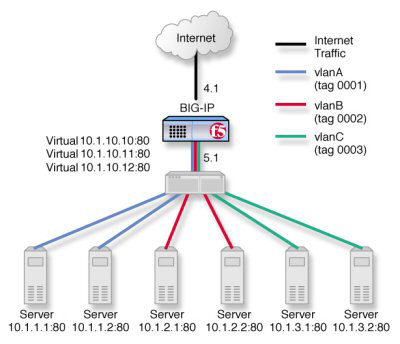
Credit: techdocs.f5.com
Choosing The Right Hosting Provider
Start by listing your website’s requirements. Is speed important? Do you need extra storage? Understand what you need first. This helps in making the right choice. Don’t forget about future growth. A small site today may grow big tomorrow.
Look at different providers. Some offer better speeds. Others have more storage. Make a list of what each provider offers. Compare their features side by side. This helps find the best match for your needs.
Good customer support is important. Problems happen and you need help fast. Check if support is available 24/7. Read reviews from other users. Happy customers mean good service.
Hosting costs vary a lot. Some charge monthly, others yearly. Look for hidden fees. A low price might mean extra charges later. Choose a plan that fits your budget and needs.
Setting Up External Web Hosting
First, choose a unique domain name for your website. It should be easy to remember. Visit a domain registrar like GoDaddy or Namecheap. Register your domain and pay the fee. This gives you the rights to use the name.
Select a hosting provider that fits your needs. Set up your server by following the provider’s instructions. Ensure it supports your website’s platform. This is important for smooth operation.
Transfer your website files to the new server. Use tools like FTP for this task. Ensure all files are moved correctly. Check links and databases to avoid errors. Test the website after migration.
Improve website speed and load time. Use caching and compress images. These steps enhance user experience. Regularly monitor website performance. Tools like Google PageSpeed can help. Always aim for faster load times.
Common Challenges In External Web Hosting
Downtime means your website is not working. This can happen anytime. Web visitors can’t see your site. This causes frustration for users. It also hurts your business. People might not visit again. Reliable hosting is important. Always choose a trusted provider.
Security is a big worry. Hackers want to steal data. They can cause damage to your site. Personal information might get lost. This includes passwords and emails. Choose a host with strong security features. They should offer firewalls and SSL certificates.
Many hosts offer few customization options. This limits your creativity. You can’t make your site unique. Some hosts have preset templates. These are not always ideal. You may need to pay extra for changes. It’s important to know what you need. Choose a host that fits your customization needs.
Future Of External Web Hosting
New technologies are changing web hosting. Cloud hosting is more popular now. It helps websites work faster. AI tools make servers smart. They fix problems quickly. Green hosting saves energy and helps the planet. These changes make web hosting better.
More people need websites today. Small businesses want online stores. Students create websites for school projects. Web hosting services grow to meet this demand. They offer better prices and more features. Everyone can find a plan that fits their needs.
Hosting companies think of new ideas. Security features are stronger now. They keep websites safe from hackers. Backup solutions save important data. If something goes wrong, data is not lost. Custom plans let people choose what they need. This flexibility helps users.

Credit: stackoverflow.com

Credit: help.ovhcloud.com
Frequently Asked Questions
What Is External Hosting?
External hosting involves storing and managing website data on third-party servers. It ensures reliable performance, security, and scalability. Businesses choose external hosting for cost efficiency and technical support. Popular options include shared, VPS, and dedicated hosting. This service allows companies to focus on core operations while experts handle server management.
What Are The 3 Types Of Web Hosting?
The 3 types of web hosting are shared hosting, VPS hosting, and dedicated hosting. Shared hosting is cost-effective. VPS hosting offers more control. Dedicated hosting provides maximum resources and flexibility. Choose based on your website’s needs and budget.
What Is An External Web Server?
An external web server hosts websites outside your internal network, enabling internet access for users globally. It manages HTTP requests, serving web pages efficiently. Businesses use external servers to ensure their websites are accessible and secure, enhancing user experience and performance.
What Is The Difference Between Internal And External Websites?
Internal websites are accessible only within an organization, while external websites are publicly accessible on the internet. Internal sites enhance team collaboration and information sharing. External sites target a broader audience for marketing and communication. Both serve distinct purposes but are crucial for effective digital strategy.
Conclusion
Choosing external web hosting can boost your website’s performance. It offers reliable support and security for your online presence. With a variety of plans available, you can find one that fits your needs. External hosting also provides better scalability options.
This means your website can grow smoothly. It’s an essential step for businesses aiming for online success. So, take time to explore different hosting providers. Make sure to pick one that aligns with your goals. Your website deserves the best care and attention for optimal results.


