
Have you ever wondered about the costs behind bringing a website to life? If you’re stepping into the world of websites, understanding web hosting charges is crucial.
These charges are the backbone of getting your site online, but they can often seem confusing and overwhelming. You might be asking yourself, “What exactly am I paying for? ” or “How do these charges affect my website’s performance? ” You’re not alone in this; many find themselves puzzled by the intricacies of web hosting fees.
Unlocking the secrets of web hosting charges can help you make smarter decisions about your online presence. Imagine the peace of mind you’ll have when you know exactly what you’re spending your money on and why. By the end of this article, you’ll have a clear picture of what web hosting charges entail, empowering you to choose a service that fits your needs perfectly. Ready to demystify web hosting charges and take control of your website’s future? Let’s dive in!
Credit: www.ryrob.com
Types Of Web Hosting
Shared hosting is a basic type of web hosting. Many websites use the same server. This makes it a budget-friendly option. It is ideal for small websites or blogs. Resources are shared among all users. This can affect website speed. But it is easy to set up. Many new users start with shared hosting. It is a good way to learn about hosting.
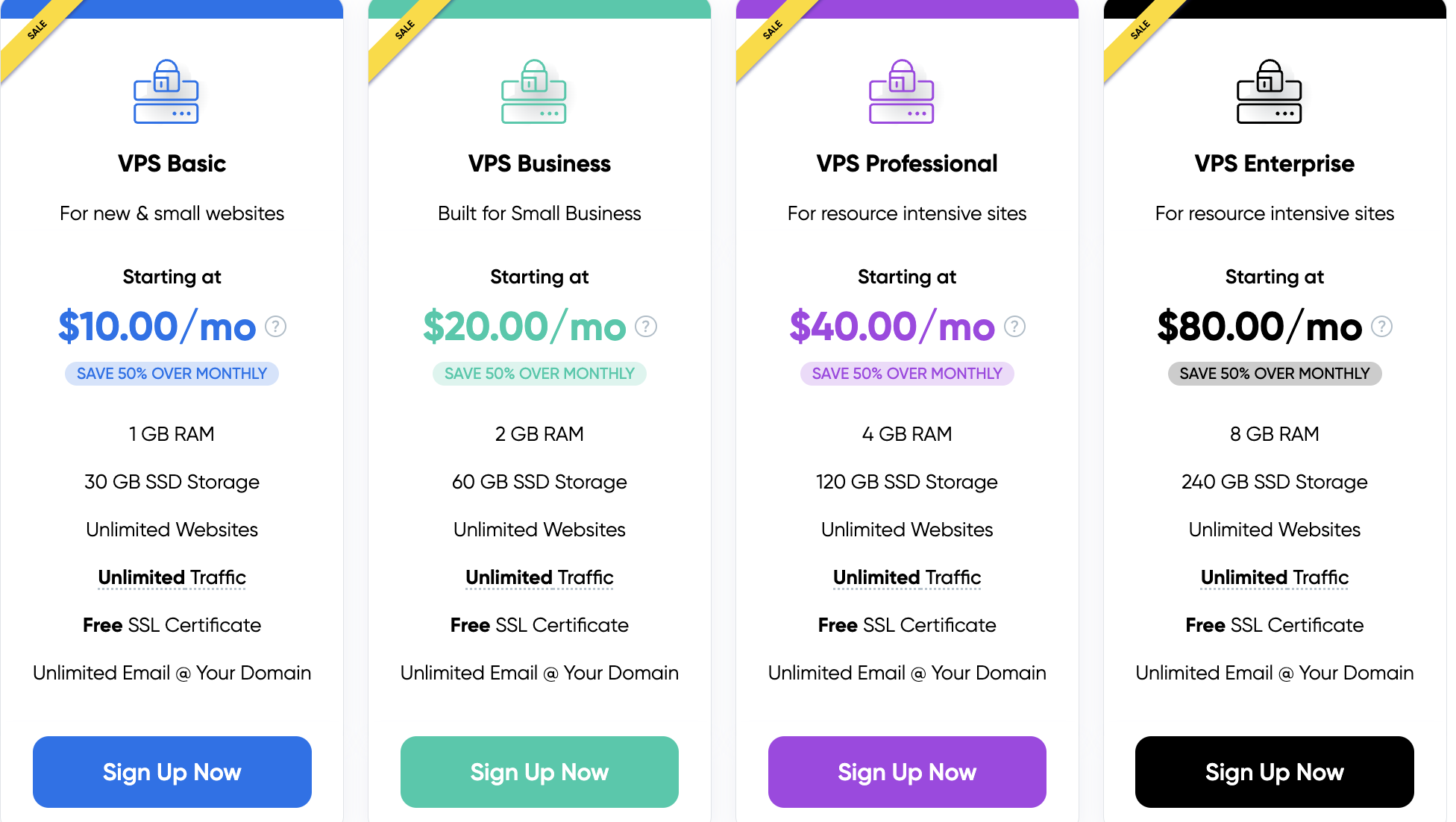
VPS stands for Virtual Private Server. It offers more control than shared hosting. Users have their own space on a server. This means better performance and security. VPS is great for growing websites. It costs more than shared hosting. But it is worth it for many businesses.
Dedicated hosting gives you a whole server. This means all resources are yours. It offers the best performance and security. It is best for large websites with high traffic. Dedicated hosting is more expensive. But it is necessary for big projects. Full control over the server is a big plus.
Cloud hosting uses many servers to host websites. It is very flexible and scalable. Websites can handle lots of traffic easily. Costs depend on usage, not a flat rate. This makes it a good choice for growing sites. It offers great reliability and speed.

Credit: www.crazyegg.com
Factors Influencing Hosting Costs
More storage means higher costs. More bandwidth also increases the price. Websites with videos need more bandwidth. They cost more. Think of storage like a digital closet. More space costs more.
Strong security keeps websites safe. It protects data from hackers. Better security often costs extra. Secure sites build trust with visitors. People feel safe sharing info. Some hosts offer free basic security. But advanced features may cost more.
Good technical support is important. Problems can happen anytime. Fast help solves issues quickly. Some hosts offer 24/7 support. Others have limited hours. More support often means higher fees. Reliable support keeps websites running smoothly.
Pricing Models
Web hosting offers two main plans. Monthly plans let you pay every month. This is good for those with small budgets. Annual plans save you money in the long run. You pay once a year. This often comes with a discount. Think about how long you need hosting. Choose the plan that fits your needs best. Monthly is flexible. Annual is cost-saving.
Some hosts offer Pay-As-You-Go. Pay only for what you use. This is great for growing sites. No need to pay for unused space. Costs can be managed better this way. Track your usage. Pay-As-You-Go is ideal for unpredictable traffic. It offers flexibility without long-term commitments. Choose wisely based on your needs.

Credit: www.indiamart.com
Hidden Charges
Some companies charge a setup fee when you start. This fee is for setting up your account. It can be a surprise cost. Always check for this fee. It can make your first payment higher. Ask the provider about it. Knowing this saves money.
The first payment might be low. But renewal rates can be high. Many companies offer cheap starting rates. After the first term, prices rise. Always ask about the renewal cost. It helps in planning. You don’t want a surprise bill later.
Extra features are often add-on services. They include backups, security, and email. These can cost more money. It’s important to decide what you need. Sometimes, basic plans are enough. Avoid paying for unused features. Check what’s included in the base plan.
Budgeting For Web Hosting
Start by understanding your website’s purpose. Is it for personal use or a big business? Check if you need simple features or advanced ones. Think about the amount of traffic expected. More traffic often means more cost. Storage space is another factor. Large files need more space, which affects costs. Identify what is essential for your site.
Look at different web hosting companies. Check their prices and see what they offer. Some providers give extra features like free domains or emails. It’s important to read customer reviews. Reviews help understand their service quality. Compare the support options available. Good support is valuable when problems occur. Choose a provider that fits your needs and budget.
Think about future growth. Will your site need more space or bandwidth later? Choose a plan that can expand easily. Some hosting plans allow upgrades. Check if there are hidden fees for upgrading. Planning for growth saves money in the long run. It’s wise to consider how your site may grow over time.
Choosing The Right Hosting Provider
Reading reviews helps in picking the best hosting provider. Look for reviews from real users, not just experts. Reviews tell you if the service is reliable. A good reputation means the provider keeps their promises. This builds trust with customers. Check forums and social media for honest feedback. Reliable hosting ensures your website runs smoothly.
Scalability is key for growing websites. A good hosting provider offers plans that grow with your needs. Start with a small plan if you have a new website. Upgrade later as your site gets more visitors. This way, you don’t pay for what you don’t need. Flexible plans save money and support growth.
Customer support is crucial for hosting services. Problems can happen anytime. Good providers offer 24/7 support. They help fix issues fast. This ensures your website stays online. Check if they offer live chat or phone support. Quick response times are important. Reliable support keeps your website trouble-free.
Frequently Asked Questions
What Are Web Hosting Fees?
Web hosting fees are costs charged by providers to store and manage your website online. These fees vary based on hosting types, bandwidth, storage, and extra features. Popular options include shared, VPS, and dedicated hosting, each with different pricing. Consider your website’s needs to choose the right plan.
What Is Meant By Web Hosting?
Web hosting is a service that stores website files on servers, allowing online access. It provides space, security, and support for websites. Hosting plans vary in features, like bandwidth and storage. Choose a reliable provider to ensure good website performance and uptime.
Do I Need To Pay To Host A Website?
Yes, you typically need to pay to host a website. Hosting services provide server space, security, and support. Free options exist, but they often come with limitations like ads, less storage, or bandwidth. Investing in a paid host offers reliability, faster speeds, and better customer support, essential for professional websites.
What Type Of Expense Is Web Hosting?
Web hosting is a business expense, categorized under operating costs. It supports online presence and digital operations.
Conclusion
Understanding web hosting charges is crucial for your online journey. Costs vary based on features and provider choices. Consider your needs carefully when selecting a plan. Look for value in service, support, and security. Start with a budget-friendly option if you’re new to hosting.
Compare different plans to find the best fit. Remember, investing in quality hosting boosts website performance. Stay informed about pricing changes and updates. This ensures you make wise decisions. Prioritize reliability and customer support to avoid future issues. Choose wisely to enhance your website’s success and stability.


