
Have you ever felt overwhelmed by the technicalities of web hosting? You’re not alone.
Managing servers, ensuring security, and keeping up with updates can be daunting. This is where outsourcing web hosting comes into play. Imagine having a team of experts handling all these tasks for you, so you can focus on what truly matters—growing your business and engaging your audience.
We’ll explore what outsourcing web hosting means, its benefits, and why it might be the perfect solution for your business needs. Get ready to discover a stress-free way to manage your online presence.
Benefits Of Outsourcing Web Hosting
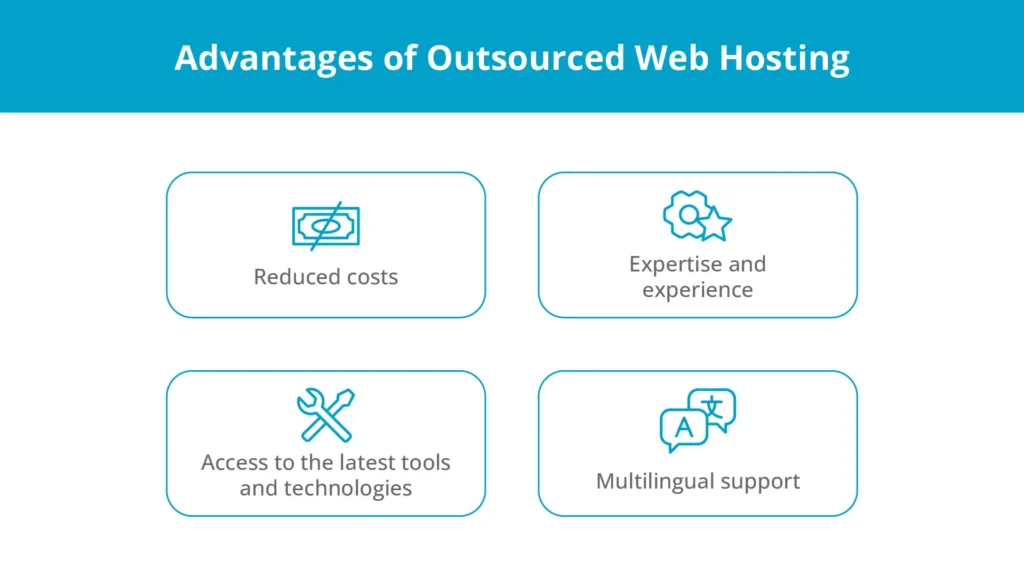
Outsourcing web hosting saves money. No need to buy expensive servers. No need to hire many IT staff. Spend less on maintenance and infrastructure. Use that money for other important things. Save costs on power and cooling too.
Outsourcing gives access to skilled professionals. These experts know web hosting well. They fix problems fast. They keep your website safe. They handle updates and backups. You don’t need to worry. Just focus on your business.
Growing businesses need scalability. Outsourcing helps with this. Easy to add more space. Easy to handle more traffic. Your website can grow smoothly. No need for new servers. Just pay for what you use.
Credit: xieles.com
Challenges In Outsourcing Web Hosting
Data safety is a big worry. Hackers can attack and steal data. Providers must ensure strong security measures. Trust in security is vital for businesses. Weak security can lead to data loss.
Companies often feel they lose control. They depend on providers for hosting needs. Customization options might be limited. Quick changes may not be possible. This can be frustrating for businesses.
Clear communication is key. Language differences can cause issues. Misunderstandings can lead to mistakes. Regular updates are important. Providers must be reachable and responsive.
Key Factors To Consider
Service Level Agreements, or SLAs, are important. They define what you can expect. SLAs include uptime guarantees. They cover response times for support. Check how quickly issues get solved. Look for penalties if promises are not kept. This helps hold providers accountable.
Good support is vital. Check if support is available all the time. Ask about support channels like chat or phone. Review how fast they reply. See if they have expert staff. Staff who understand problems well. This support ensures smooth operation.
Provider reputation matters. Read reviews from other users. See their ratings on trusted sites. A provider with a good name is reliable. Check their history of service. A long service history shows stability. Choose someone you can trust.
Types Of Web Hosting Services
Shared Hosting is very common. Many websites share one server. This makes it cheap. But, if one site gets busy, others can slow down. It’s good for small sites or beginners. You don’t need tech skills to use it. The host manages the server. It’s simple to start.
Dedicated Hosting gives one server to one website. This makes it fast and powerful. It’s best for big websites. The owner controls the server. This means more control over data. But, it costs more. You might need tech skills to manage it.
Cloud Hosting uses many servers. If one fails, another helps. This makes it very reliable. It can grow with your site. You pay for what you use. It suits sites that get busier over time. No need to worry about sudden traffic.
Industries Benefiting From Outsourcing
E-commerce businesses rely heavily on their websites. A fast website attracts more customers. Outsourcing web hosting can ensure quick loading times. It offers better security too. Many businesses choose outsourcing to reduce costs. They get expert help without hiring full-time staff. This way, they focus more on selling products.
Blogging platforms need reliable hosting. Outsourcing helps bloggers handle traffic spikes. It provides constant support to keep blogs running smoothly. Bloggers often face technical issues. Outsourcing offers expert solutions. It frees up time for creating content. This helps bloggers reach more readers.
Corporate websites need stability. Outsourcing ensures servers stay online. It offers advanced features like backups. Companies save money by outsourcing. They avoid buying expensive equipment. Outsourcing offers flexible options. Businesses can scale their websites easily. This flexibility is vital for growing companies.

Credit: www.ctmsit.com
Future Of Outsourcing Web Hosting
Artificial Intelligence is changing web hosting. It helps in predicting server issues. This makes websites run smoothly. Cloud hosting is also popular. It offers flexibility and scalability. Websites can grow without trouble. Edge computing is the new trend. It brings data closer to users. This means faster loading times. Security is another focus. New tools help keep data safe. These technologies shape the future of web hosting.
Many companies outsource web hosting. It saves time and money. Managed hosting is a trend. Experts handle all technical tasks. This frees up business owners. They can focus on their work. Green hosting is gaining attention. It uses renewable energy. This is better for the environment. Customization is also popular. Businesses want hosting that fits their needs. These trends are important to watch.
Credit: www.liquidweb.com
Frequently Asked Questions
What Is An Outsourcing Website?
An outsourcing website connects businesses with freelancers or agencies for specific tasks or projects. It helps companies find skilled professionals globally, reducing costs and increasing efficiency. Examples include Upwork, Freelancer, and Fiverr. These platforms offer a wide range of services, from graphic design to software development.
What Are The 3 Types Of Web Hosting?
There are three main types of web hosting: shared hosting, VPS hosting, and dedicated hosting. Shared hosting is cost-effective for beginners. VPS hosting offers more control and resources. Dedicated hosting provides maximum performance and security for large websites.
What Is Outsourcing In Simple Words?
Outsourcing is hiring external companies or individuals to handle tasks, services, or projects, reducing costs and improving efficiency. Businesses often outsource IT, customer support, or manufacturing to focus on core activities and leverage specialized expertise. This strategy helps companies scale and access global talent without large investments in infrastructure.
What Is The Purpose Of Web Hosting?
Web hosting stores website files on servers, making them accessible online. It ensures site availability and performance. Hosting services provide storage, security, and support. A reliable hosting provider enhances user experience and website loading speed, boosting SEO rankings. Choose the right hosting to meet your site’s needs efficiently.
Conclusion
Choosing to outsource web hosting can offer many benefits. It saves time and reduces stress for businesses. Experts handle technical issues efficiently. This ensures your website runs smoothly. Costs can be lower compared to in-house hosting. Quality service and support are often available.
This helps improve website performance and reliability. Security is another advantage. Professionals maintain and monitor servers closely. Consider your specific needs and budget. Outsourcing can be a smart choice for many. Evaluate options carefully to find the best fit for your business.


