
Have you ever wondered how websites actually appear on your screen when you type their address in your browser? The magic behind this process lies in two fundamental components: web hosting and web servers.
Understanding these elements can empower you to make better choices for your own website or business. Whether you’re launching your first site or curious about the technology that powers the internet, knowing the difference between web hosting and web servers is essential.
By the end of this article, you’ll be equipped with the knowledge to choose the right hosting solution for your needs and grasp the role of web servers in delivering content seamlessly. Let’s dive into these concepts and unlock the potential of your online presence.
Web Hosting Basics
Web hosting is a service. It lets you put your website online. A company provides the space. This space is on a computer. We call it a server. The server makes your website available. People can see your site on the internet. This is the purpose of web hosting. Without hosting, no one can find your site. It is like renting a home for your website. The server is the home.
There are different types of web hosting. Some common ones include shared hosting, dedicated hosting, and VPS hosting. Shared hosting is popular. It is cheap and easy to use. Dedicated hosting is more powerful. It is for big websites. VPS hosting is in the middle. It is like having your own space on a shared server. Each type has its own benefits.
Shared hosting means many websites on one server. It is cheaper but slower. Dedicated hosting means one website on one server. It is faster and more secure. Shared hosting is good for small sites. Dedicated hosting is good for big sites. Each has pros and cons. Choose based on your needs.

Credit: www.geeksforgeeks.org
Web Servers Explained
Web servers are like the heart of the internet. They store and deliver web pages. Without them, websites would not work. Each time you click a link, a web server sends the page to your screen. This process is fast and keeps websites running smoothly.
Web servers play a big role in making websites work. They handle requests from users. They send back the right web pages. This means users can see and use websites. Web servers also keep data safe. They protect it from bad people.
There are many types of web servers. Apache is one of the most popular. Nginx is another common choice. Both are used by many websites. They are powerful and can handle lots of traffic.
Web servers need good software and hardware. Software helps manage tasks. Hardware keeps the server strong and fast. This combination helps websites stay up and running. It also ensures they load quickly.
How Web Hosting Works
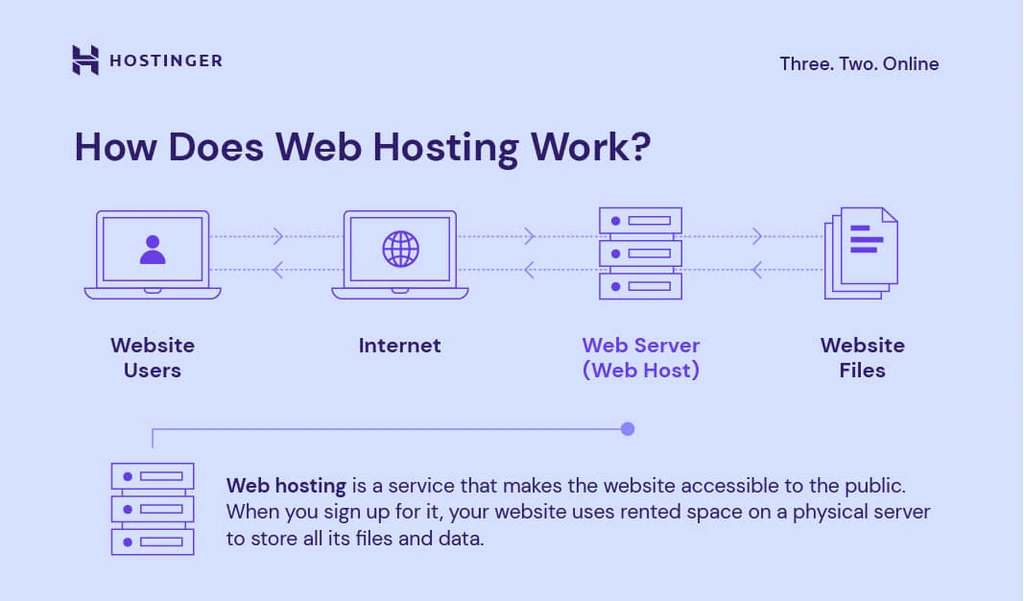
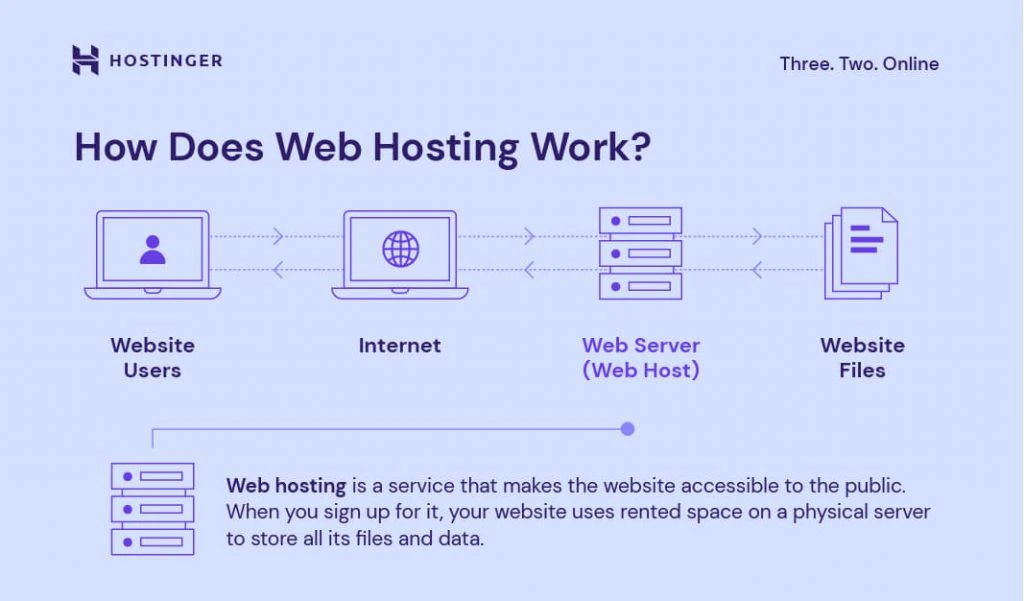
Web hosting links a website with the internet. It stores data on a server. The domain name acts as the address. It guides visitors to the correct website. Domain and hosting must work together. Without this link, users can’t find your site. Hosting needs maintenance. It ensures the site runs smoothly. Downtime can frustrate users. Choose a reliable host.
Hosts store files, images, and videos. All website data. They manage space on the server. Efficient storage speeds up sites. Regular backups prevent data loss. Organized storage is key. It keeps sites active. Hosts also handle traffic. More traffic needs more space. Plan storage wisely. It impacts site performance.
Web hosting uses security to protect sites. Firewalls block bad traffic. SSL certificates encrypt data. They secure user info. Hosts monitor for threats. Regular updates keep sites safe. Strong passwords are important. They prevent unauthorized access. Security is a top priority. It builds user trust. A secure site is a safe site.
Credit: www.hostinger.com
Choosing The Right Web Hosting
Picking web hosting is important. Speed matters a lot. A fast website keeps visitors happy. Storage space is key. More space allows more files and data. Uptime is crucial. It shows how often a site is up. Customer support helps solve issues. Good support is a must.
Many companies offer web hosting. Features differ among them. Some offer free domains. Others may provide unlimited bandwidth. Security is another factor. Look for providers with strong protections. Reviews can help. Check what others say about them.
Cost is important. Compare prices of different providers. Some have monthly plans. Others may offer annual discounts. Look for hidden fees. Some may charge extra for add-ons. Choose what fits your budget best.
Benefits Of Web Hosting
Web hosting makes websites fast. Pages load quickly. Visitors are happy. Slow websites lose visitors. Fast sites keep them. Hosting improves speed. Good hosting means better performance.
Hosting grows with your website. Small site today, big site tomorrow. More visitors need more power. Hosting scales up. You add more resources. Your site grows easily.
Technical support is important. Problems happen. Experts help fix them. Hosting has 24/7 support. You ask questions. They give answers. Support keeps your site running smoothly.
Common Web Hosting Challenges
Downtime means your website is not working. This can happen anytime. It can make visitors upset. Downtime can hurt your business. People may leave your site. They might not come back.
Good web hosting should have less downtime. Reliable servers help keep sites online. Regular checks can prevent problems. It’s important to have a backup plan.
Websites need to be safe. Hackers can steal information. They can change your site. Security is very important for web hosting. Use strong passwords to protect your site.
Install firewalls and antivirus software. Keep software updated. This helps block hackers. Choose a hosting service with good security features.
Problems can happen with web hosting. Knowing troubleshooting tips is helpful. Check your internet connection first. Sometimes it’s the problem.
Restart your server if needed. This can fix some issues. Look for error messages. They can tell you what’s wrong. Ask for help if you can’t fix it.
Future Of Web Hosting
Web hosting is changing fast. Artificial Intelligence is helping servers work better. Machine Learning makes websites faster. Blockchain is making hosting safer. 5G technology is speeding up data. These changes will make hosting more powerful.
Green hosting is important now. It helps the earth. Renewable energy is used for servers. Companies are caring for nature. Less pollution, more trees. It is safer for our planet. Kids will have a cleaner future.
Cloud computing is big in hosting. It stores data online. People can access it anywhere. It is cheap and easy. Cloud servers help websites grow. More users, less cost. It makes sharing faster and simpler.
Credit: www.hostinger.com
Frequently Asked Questions
What Is Web Server And Web Hosting?
A web server delivers website content to users via the internet. Web hosting provides storage space for websites on servers, enabling site accessibility online. Web hosting services ensure your site is available 24/7, managing server maintenance and security.
What Is Meant By Web Hosting?
Web hosting provides storage space on a server for websites, making them accessible online. It involves storing website files, databases, and content. Users choose hosting services based on their needs, such as shared, VPS, or dedicated hosting. Reliable hosting ensures website performance, security, and uptime.
What Is The Difference Between A Host And A Server?
A host is a device or system connected to a network. A server provides services or resources to other devices. Hosts can be any computers, while servers perform specific functions like hosting websites or managing emails. Both work together in network environments.
Do I Need Web Hosting For My Domain?
Yes, web hosting is essential for your domain to be accessible online. It stores your website’s files and data.
Conclusion
Understanding web hosting and web servers is vital for online presence. Web hosting stores your website files. A web server delivers these files to users. Choosing the right host ensures smooth website performance. It affects speed, security, and reliability. Knowing the difference helps make informed decisions.
This knowledge supports your digital goals. Always research and choose wisely. The right setup keeps your website running efficiently. Thus, providing a better experience for your visitors. Keep learning and stay informed. Your website’s success depends on it.


