
Have you ever wondered how websites magically appear when you type an address into your browser? It all starts with two crucial elements: web hosting and domain names.
Understanding these terms is essential for anyone looking to create a website, whether it’s for personal use or a business venture. Imagine being able to carve out your own corner of the internet, a space where you can share your ideas, products, or passions with the world.
Sounds intriguing, right? By grasping the basics of web hosting and domain names, you unlock the door to endless possibilities. Ready to dive in and discover how this digital magic happens? Keep reading, and you’ll be one step closer to making your mark online.
Web Hosting Basics
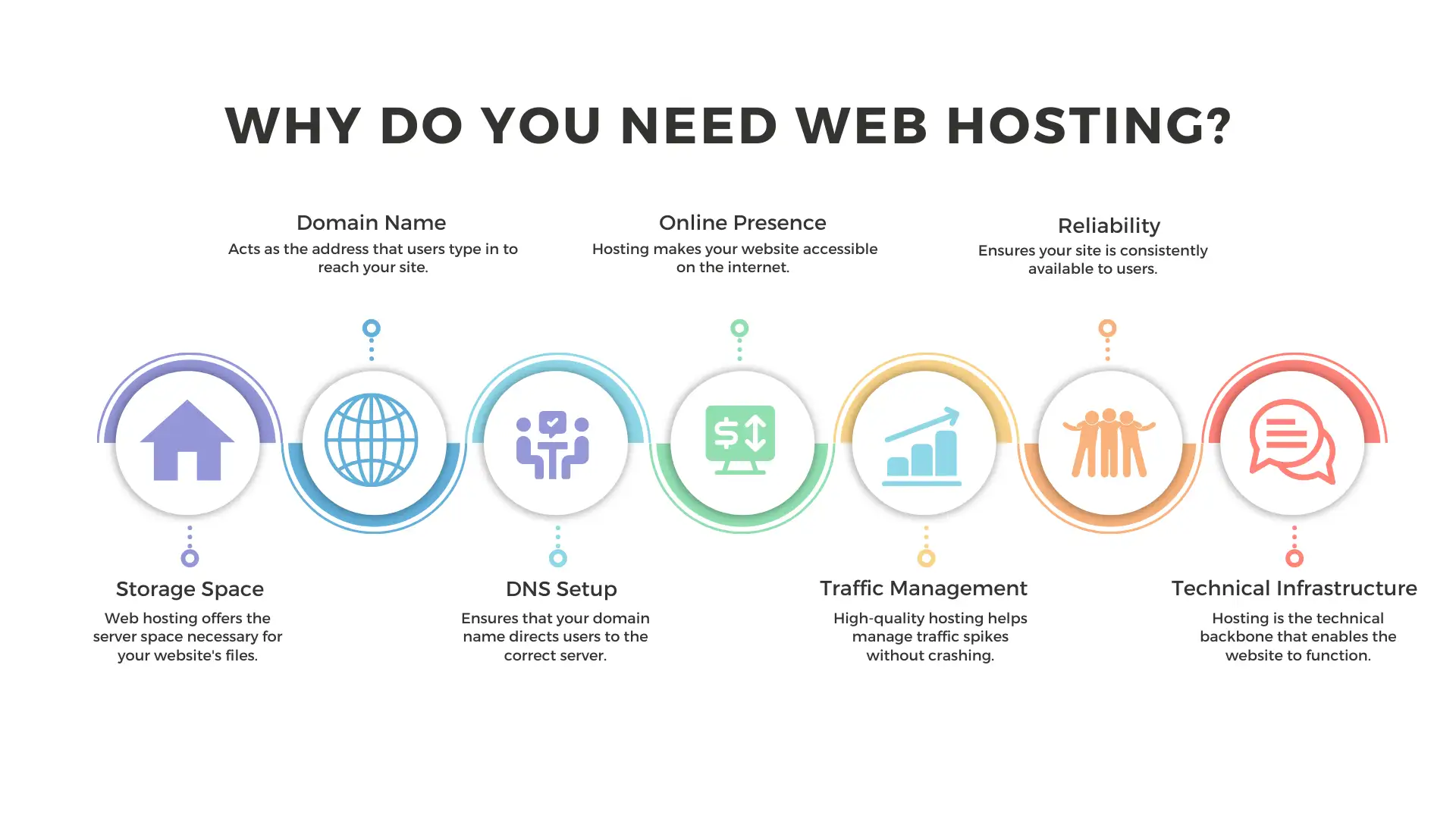
Web hosting is like renting space on the internet. Your website gets a home. This home lets people visit your site. Without hosting, your site cannot be online. Every website needs hosting to show up online. The host stores your website’s files. Then, it sends them when someone visits.
There are different types of hosting. Shared hosting is the cheapest. Many websites share one server. Dedicated hosting is for big websites. One server for one site. VPS hosting is in between. It offers more space than shared hosting. Cloud hosting uses many servers. It is good for busy sites.
Hosting connects your site to the internet. You upload files to a server. The server makes them live. People type your domain name. Then, the server shows your site. Hosting keeps your site safe. It also keeps it fast.
Credit: blog.templatetoaster.com
Domain Name Essentials
A domain name is like a street address. It shows where a website lives online. It’s made of words and dots. These words help people find websites easily. Without a domain name, people need to remember long numbers. These numbers are called IP addresses. Domain names are easier to remember than numbers.
Domain names make the internet user-friendly. They let users find websites quickly. With a domain name, each website gets a unique name. This unique name helps businesses stand out. It also helps people share website links easily. Domain names are important for online identity.
Choosing a domain name is crucial. Pick names that are short and simple. Easy names are better for memory. Avoid hard-to-spell words. Use names that match your business or idea. Make sure the name is available. Check if others already use it. Buy your domain name from trusted sites.
Relationship Between Hosting And Domains
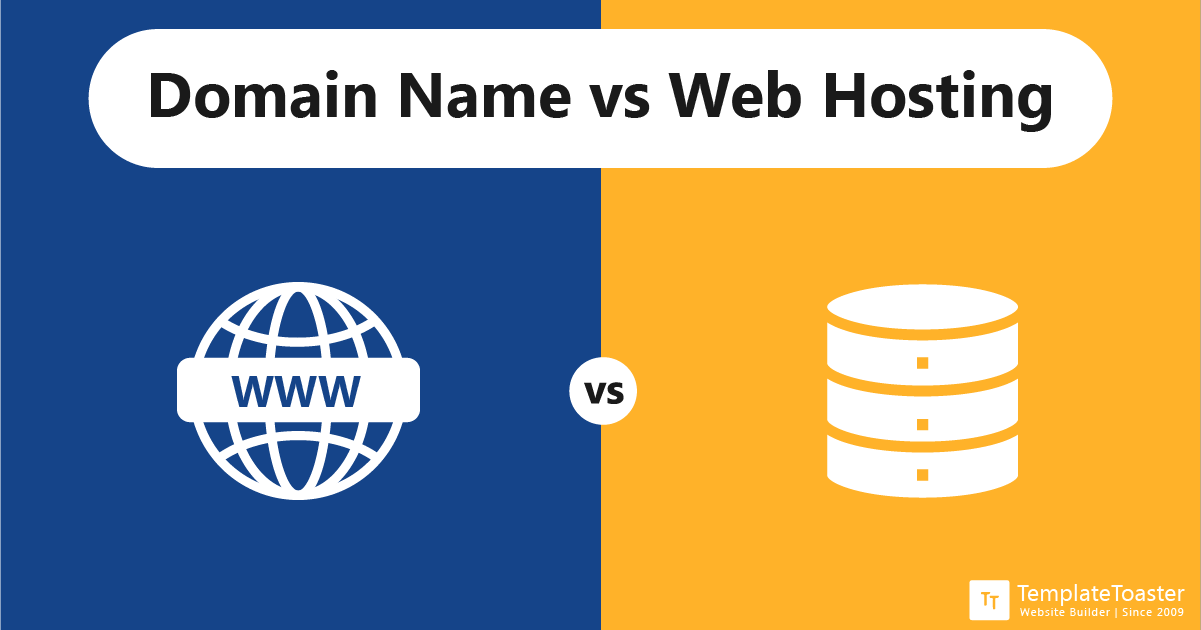
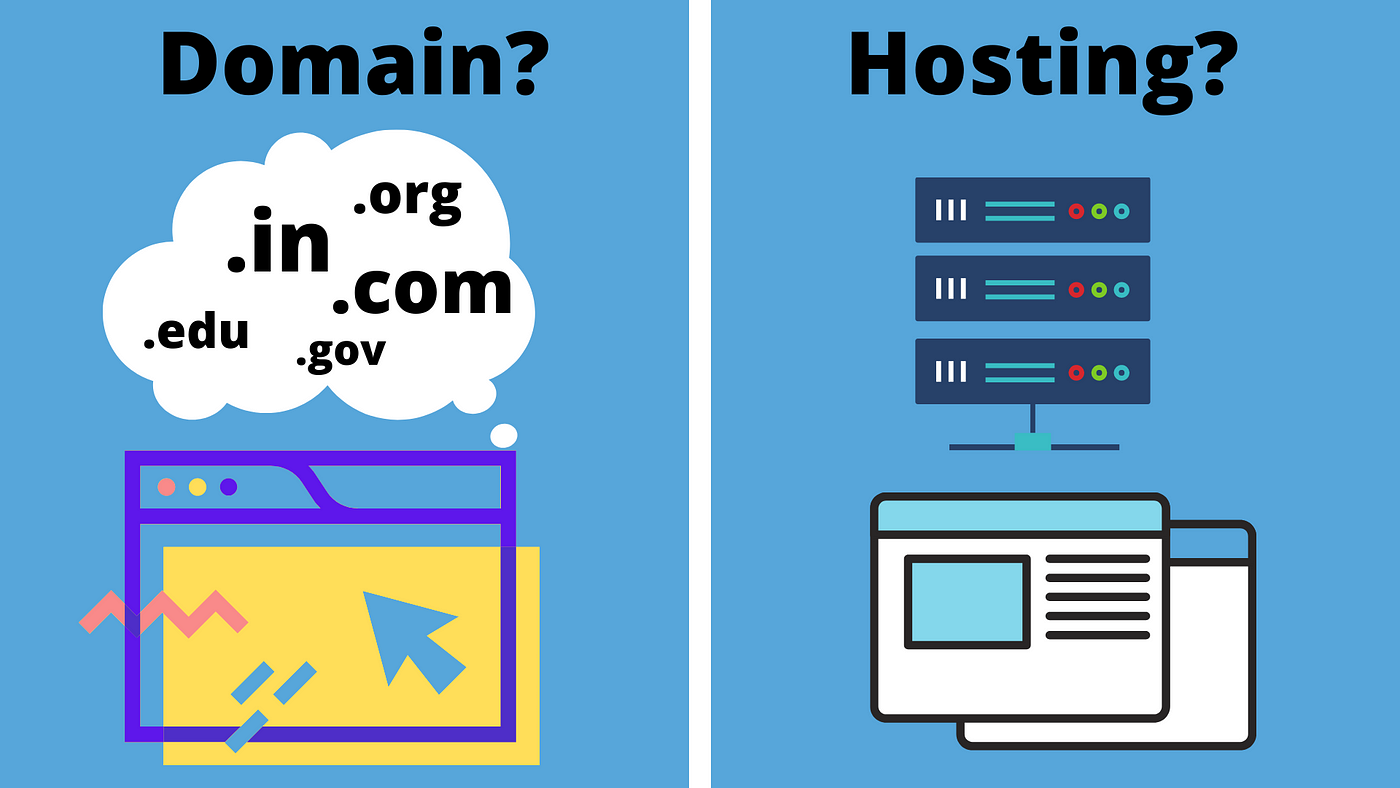
Domains and hosting work together to show websites. A domain name is like a website’s address. Hosting is where the site’s files live. When you type a domain name, your browser finds the host. Then, it loads the site’s files. This is how you see the website. Both must connect well for the site to work. Without hosting, the domain has nowhere to go. Without a domain, hosting has no address.
DNS settings are crucial for linking domains to hosting. DNS stands for Domain Name System. It acts like a phone book for the internet. DNS settings tell browsers where to find the website files. You must set DNS correctly. Incorrect settings can cause issues. Websites may not load properly. Configurations can include A records, CNAME records, and MX records. Each has a specific role.
Hosting quality impacts how fast a website loads. Good hosting makes sites load quickly. Slow hosting can frustrate users. Performance matters for visitor satisfaction. Fast sites keep visitors happy. Google prefers fast websites too. This affects search ranking. Choose hosting wisely. Check for speed and reliability. Don’t forget about security. A secure host protects against threats.
Choosing The Right Web Hosting
Picking the right web hosting is important. Price is a key factor. Look for a plan that fits your budget. Reliability is another factor. A good host keeps your site online. Speed affects user experience. Users like fast websites. Customer support helps fix issues. Choose a host with 24/7 support. Security keeps your data safe. A secure host is vital for protection.
- Bluehost – Known for good support.
- HostGator – Offers affordable plans.
- SiteGround – Reliable and fast.
- GoDaddy – Big name, many services.
- DreamHost – Good for beginners.
Understand your website needs. A small site might need basic hosting. A big site needs more space. Think about traffic. High traffic sites need strong servers. Features like email, SSL, and backups are important. These features help manage your site better. Consider these needs before choosing a host.
Registering A Domain Name
Choosing a domain name is exciting. It is your online address. First, think of a name. Make sure it is easy to spell. Then, check if it is available. Some names are already taken. You can use a domain registrar to do this. Once available, you can register it. Now the name is yours to use.
A domain registrar helps you register your domain. They are like a store for domain names. Some popular registrars are GoDaddy and Namecheap. They offer many services. You can buy, renew, or transfer domains. Each registrar has different prices. Choose one that fits your needs.
Keep your domain name short. Short names are easy to remember. Use simple words. Avoid special characters and numbers. Check for typos before registering. Pick a name that matches your website theme. Use a .com extension if possible. It is the most common.
Credit: wegic.ai
Common Challenges And Solutions
Many face problems with their domain settings. Sometimes, the domain doesn’t connect. This might be due to incorrect DNS settings. Ensure that your DNS is set correctly. Check with your domain provider for any issues. Also, make sure your domain is not expired.
Hosting issues can cause website downtime. This happens if the server is overloaded. Choose a reliable hosting provider to avoid this. Regularly update your server software. This helps in fixing bugs and improving performance.
Security is crucial for your website. Use a strong password for your account. Enable SSL certificates to protect data. Keep all software up to date. This prevents vulnerabilities. Regularly back up your data to keep it safe.
Future Trends In Hosting And Domains
New technologies are making hosting better. Cloud computing helps websites run faster. Blockchain offers security and trust. These techs change how we store data. Quantum computing may help in the future. It can make processes quick. 5G networks make connections faster. This improves user experience. Green tech helps save energy. Hosting becomes eco-friendly.
AI makes hosting smart. It can fix problems fast. Automation helps manage tasks. This saves time and effort. AI tools improve security. They learn from past attacks. AI can also predict user needs. This makes websites better. Automation reduces errors. Efficiency goes up with less human work.
Hosting will grow more. More websites need hosting. Domain names will increase. Small businesses need online presence. This boosts demand. Internet usage is rising. More people are online. Hosting services must expand. Global markets will drive growth. Technology makes this easy. New trends keep changing the industry.
Credit: mayankavasthi.medium.com
Frequently Asked Questions
What Is Web Hosting And Domain Name?
Web hosting stores website files on servers, making them accessible online. A domain name is your website’s unique address, like “example. com”. Together, they enable users to visit and navigate your site.
How Do I Find My Domain Host Name?
To find your domain host name, check your domain registrar’s website. Use WHOIS lookup tools online for details. Your hosting provider’s control panel or account settings might also display this information. Ensure you have access to your domain account for accurate results.
What Is A Host Domain Name Example?
A host domain name example is “www. example. com. ” It identifies the website’s location on the internet. The domain name consists of a website name and a domain extension like “. com. ” This address is used by browsers to access specific websites.
Do I Need Web Hosting If I Have A Domain Name?
Yes, web hosting is necessary to make your domain’s content accessible online. A domain name alone doesn’t store website files. Hosting servers store and serve your site’s data, allowing visitors to access it. Without hosting, your domain name cannot display a website.
Consider reliable hosting for optimal performance.
Conclusion
Web hosting and domain names are key to building websites. They form the backbone of your online presence. A domain name is your site’s address on the internet. Web hosting provides the space for your website files. Choosing the right host and domain boosts your site’s performance.
It ensures smooth operation and easy access for users. Understanding these concepts helps you make informed decisions. It also ensures your website runs effectively. Explore options and find what’s best for your needs. A solid foundation online begins with good hosting and a memorable domain.


