
Have you ever wondered what web hosting really means? You’re not alone.
As you dive into the world of websites, you might find yourself puzzled by the technical jargon. Understanding web hosting can feel like unlocking the secret to making your online presence thrive. Imagine having the power to bring your ideas to life on the internet, reaching audiences far and wide.
This is the magic of web hosting. It’s the foundation that supports your digital dreams. You’ll discover the ins and outs of web hosting in a way that’s simple and straightforward. Ready to unravel the mystery and empower your online journey? Keep reading to find out more!
Web Hosting Basics
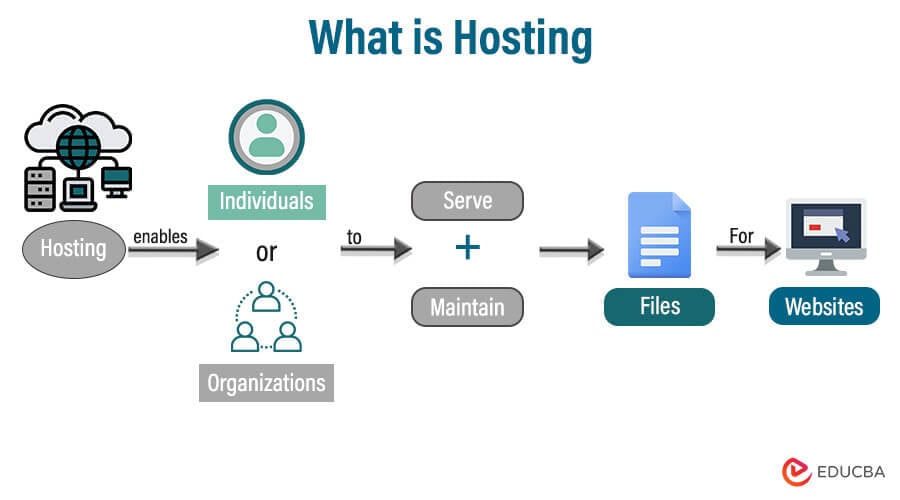
Web hosting keeps your website online. It stores your site’s files. These files include text, images, and videos. A web host provides space on a server. It also gives you an internet connection. Without hosting, your site can’t be seen. People need to access your site anytime. That’s why hosting is important. It makes your site available day and night.
Your website files are stored on a server. The server is like a computer. It runs all day. When someone types your site’s name, the server sends files. This allows the person to see your site. Hosting companies manage these servers. They make sure your site stays online. If the server is down, your site is too. So, a good host is very important.
Types Of Web Hosting
Shared hosting is like sharing a room. Many websites use one server. Cost is low. Resources are shared among sites. It is good for small websites. Traffic is low, so it works well.
VPS stands for Virtual Private Server. It’s like having a room in a house. More control than shared hosting. Better for growing sites. You get your own space. More resources than shared hosting.
Dedicated hosting is like owning a house. You have the whole server. It costs more money. Best for big websites. High traffic sites use it. You have complete control over everything.
Cloud hosting uses many servers. It’s like renting rooms in many houses. Flexible and scalable. Great for sites with changing traffic. Resources can grow easily. Reliable even if one server fails.
Choosing The Right Web Hosting
Think about your website goals. Do you need a simple blog? Or a big online store? Storage and bandwidth matter. Check if you need more space for files or images. Security is key. Make sure your data is safe. Consider how much support you might need. Is help available 24/7?
Look at what hosts offer. Some have easy-to-use tools. Others have better performance. Check if they offer free domain names. Some hosts include email accounts. Uptime is crucial. You want your site always up. Backup options protect your data. Read reviews to learn more.
Decide how much to spend. Cheap hosts might lack features. Premium hosts offer more services. Compare price plans. Some hosts offer discounts for long-term plans. Check for hidden fees. Monthly fees can vary. Choose wisely for best value.

Credit: www.layerhost.com
Key Features To Look For
Storage is where all your website files live. More storage means more space for files. Bandwidth is like a road. It decides how much traffic your site can handle. More bandwidth means more visitors can come at once. Choose a plan with enough storage and bandwidth. This keeps your site fast and smooth.
Uptime is the time your website is online. Look for hosts with 99% uptime. Reliable hosts keep sites online. Downtime means your site is off. This can upset visitors. Always pick a host known for good uptime. This ensures your site stays live.
Security is like a lock on your site. It keeps bad guys out. Look for hosts with firewalls and SSL. Firewalls stop hackers. SSL keeps data safe. Choose a host with strong security. This protects your site from threats.
Benefits Of Quality Web Hosting
Fast loading speeds help keep visitors happy. Quality hosting reduces downtime. A reliable server means your site is always available. Smooth navigation keeps users engaged.
Good hosting offers strong protections. Your data stays safe. Secure servers block hackers. Daily backups are often included. Peace of mind for your website.
Upgrade hosting as your site grows. Add more resources when needed. Flexible plans suit changing needs. No limits on traffic or storage. Adapt easily with scalable hosting.

Credit: www.easysite.com
Common Mistakes To Avoid
Many people forget about the importance of support. Support helps fix issues fast. Without good support, problems can last long. Choose a host with 24/7 support. Live chat and phone support are best. Email support can be slow sometimes.
Backups are a safety net for your website. Imagine losing all your data. Without backups, recovery is hard. Make sure your host offers regular backups. Daily backups are the safest option. Check if they store backups offsite.
Many skip reading the terms and conditions. Important details are hidden there. Look for information on fees and policies. Some hosts may charge extra without notice. Always read carefully to avoid surprises.
Future Trends In Web Hosting
Green hosting uses renewable energy. It helps the planet. Many companies use less power. They want to protect the earth. Green hosting is a smart choice. It saves money and helps nature.
AI makes hosting easier. It does tasks quickly. Automation saves time. People can focus on important work. AI can fix problems fast. It can help with security. Hosting becomes more reliable.
Edge computing brings data closer. It makes websites faster. People see pages right away. This helps with videos and games. Edge computing reduces delay. It keeps information safe. Hosting becomes more efficient.
Credit: www.educba.com
Frequently Asked Questions
What Is Web Hosting With An Example?
Web hosting stores and maintains websites on servers, making them accessible online. For example, Bluehost hosts websites, providing storage and bandwidth.
What Is The Purpose Of Web Hosting?
Web hosting provides storage and access for websites on the internet. It ensures your site is accessible online. Hosting services offer server space, security, and technical support, allowing businesses to maintain an online presence. Reliable hosting is essential for website performance, user experience, and SEO.
Can I Run My Website Without Hosting?
No, a website requires hosting to be accessible online. Hosting stores your website’s files and data, allowing users to view it. Without hosting, your website cannot function or be visible on the internet. Choose reliable hosting to ensure optimal performance and security for your site.
How Much Does Website Hosting Cost?
Website hosting costs vary based on features and provider, ranging from $3 to $300 monthly. Shared hosting is cheaper, while dedicated hosting is more expensive. Consider your website’s needs and budget when choosing a plan. Always check for discounts and promotions to save money.
Conclusion
Understanding web hosting is crucial for your online presence. It acts as your website’s home on the internet. Without it, your site cannot be accessed by others. Choosing the right hosting plan ensures your site runs smoothly. It affects speed, security, and reliability.
Evaluate your needs and budget before deciding. Good hosting supports growth and success. Remember, a reliable host keeps your site online 24/7. So, take time to research and select wisely. A good choice makes a big difference. Your website’s performance depends on it.
Start your journey with confidence and knowledge.


