
Have you ever wondered what keeps your favorite websites live and accessible 24/7? The answer lies in a concept called web hosting.
Imagine your website as a house. Just like a house needs a plot of land to sit on, your website needs a space on the internet to exist. This is where web hosting comes in. It provides the digital space and resources your website needs to function smoothly and be accessible to anyone, anywhere, anytime.
By understanding web hosting, you unlock the power to manage your online presence with confidence. Whether you’re a small business owner, a blogger, or just curious about the web, grasping this concept is crucial. So, are you ready to discover what web hosting truly means and how it can benefit you? Dive into this article, and let’s unveil the mysteries of web hosting together.
Credit: mayankavasthi.medium.com
What Is Web Hosting?
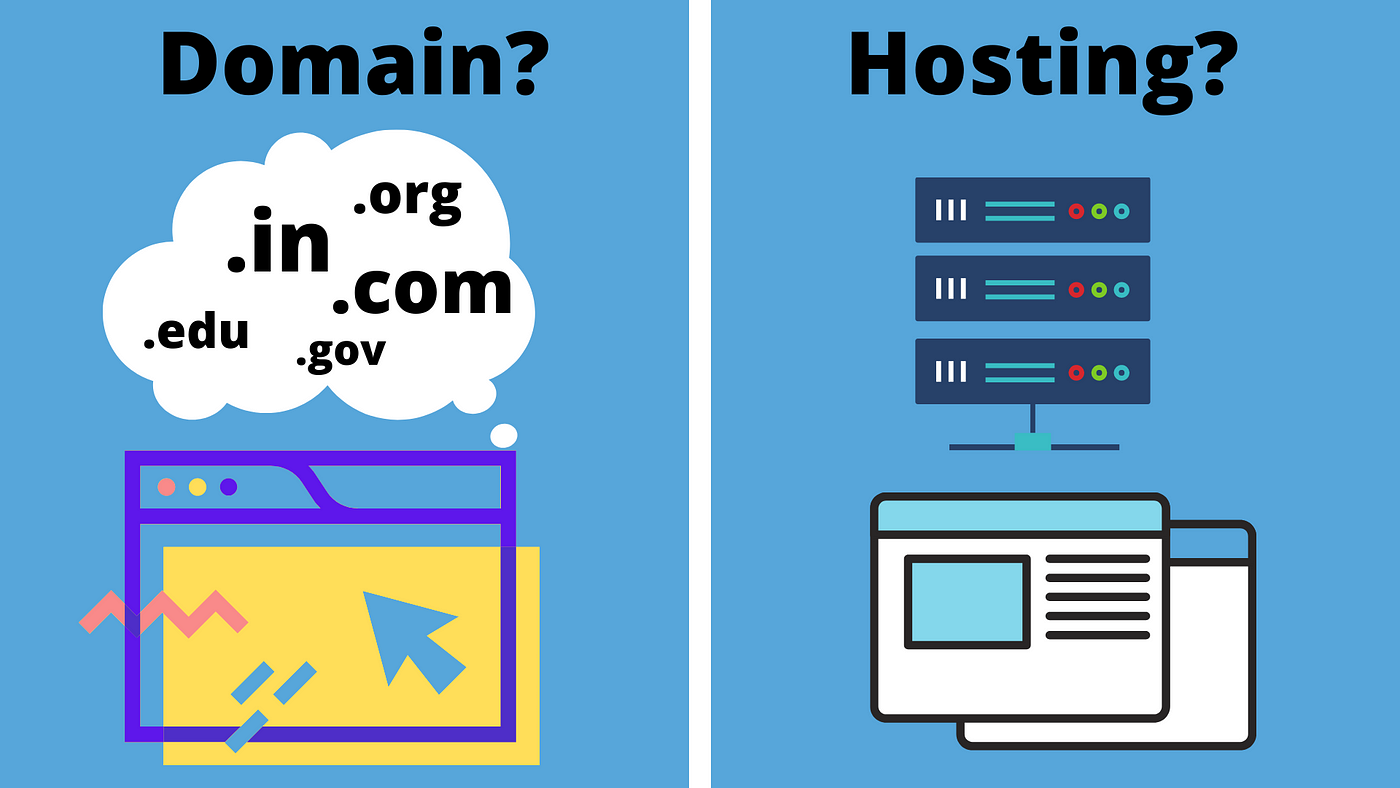
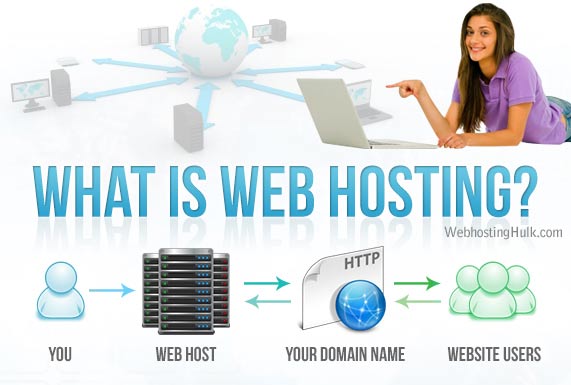
Web hosting is like renting a space on the internet. It’s a place where your website lives. You need this space to store your site’s files. Think of it like a home for your website. This home keeps your site safe and running. Without it, your website can’t be seen online. Many companies offer web hosting services. They have big computers called servers. These servers store all your website’s data. When people want to visit your site, the server sends them the information. This way, everyone can see your website anytime they want. It’s important to choose a good hosting company. A good host keeps your site fast and secure. This makes visitors happy and helps your site grow.
Credit: maverickpublishing.net
Types Of Web Hosting
Shared hosting means many websites share one server. This is cheap and good for small sites. Resources are shared among all users. Sometimes, it can be slow. If one site gets too busy, others may slow down. Easy to manage. Good for beginners.
VPS hosting stands for Virtual Private Server. This is more powerful than shared hosting. You get your own space on the server. It’s better for medium websites. Flexible in resources. This means you can grow as needed. More control over the server.
Dedicated hosting gives one server for one website. This is expensive and very secure. Great for large sites with many visitors. You get full control over the server. No sharing with others. High performance and reliability. Best choice for big businesses.
Cloud hosting uses many servers. This is modern and scalable. If your site gets busy, it can use more servers. Flexible and reliable. Good for sites with changing traffic. Pay for what you use. Secure and always online. Great for dynamic needs.
Choosing The Right Web Hosting Plan
Understand your website type. Is it a blog or a shop? Decide on features. Do you need email or databases? Check site traffic. High traffic needs more resources.
Start with budget-friendly plans. Think about how much you can pay. Compare prices. Look at what each plan offers for the price. Remember, cheap isn’t always best. Sometimes you pay more for better service.
Choose plans that grow with your site. Your site might need more space later. Check if you can upgrade easily. Some hosts let you scale up quickly. Make sure you can add more features without trouble.
Credit: www.free-online-training-courses.com
Key Features To Look For
Storage and bandwidth are like a closet and a highway. A bigger closet holds more stuff. More storage means more space for your website files. Bandwidth is the highway for data to travel. It must be wide enough for your site’s traffic. Otherwise, the site can slow down. Choose a host with flexible plans. This helps if your site grows.
Uptime means your website is always available. A good host offers 99.9% uptime. This means your site is almost never down. Visitors can always find you. Less downtime means more trust. Good uptime is like a reliable friend. You know they will be there.
Security features keep your site safe. Look for SSL certificates. These make data safe from hackers. Also, check for firewalls. They block harmful traffic. Regular backups are also important. If things go wrong, you can restore your site. Safety is like a lock on a door. It keeps your site safe from harm.
Good customer support is like having a helpful guide. They assist when problems arise. Look for 24/7 support. This means help is always available. Support through chat, phone, or email is useful. Friendly and fast help can save time. It’s like having a friend who always answers your call.
Benefits Of Reliable Web Hosting
A strong hosting service makes your website load faster. Fast sites keep visitors happy. They click more and stay longer. This helps in making your site popular. Slow sites can lose visitors quickly.
Search engines prefer fast and reliable sites. Good hosting helps your site get better rankings. Better rankings mean more people find your site. It’s good for business and personal blogs.
Security is crucial for any website. Reliable hosting provides strong protection. This keeps your data safe from hackers. Safe sites build trust with visitors. People feel secure when they visit protected sites.
Common Web Hosting Challenges
Downtime means your website can’t be seen online. This can happen if servers fail. Visitors may leave if they can’t access your site. Losing visitors is bad for business. Regular checks can help spot problems early. Reliable hosts reduce downtime risks. Choose a host with a strong track record.
Websites face security threats like hacking. These threats can steal data. Protecting your site is important. Strong passwords can help. So can software updates. A good host will offer security tools. These tools keep your site safe. Always stay alert and prepared.
Sometimes websites break. You need help fast. Not all hosts offer quick support. Good support is available 24/7. It helps solve problems quickly. Choose hosts known for fast support. This can save time and stress. Always check reviews before choosing.
Future Trends In Web Hosting
Green hosting is about saving our planet. It uses less energy. Data centers use a lot of power. Green hosting tries to use clean energy. Solar and wind power are clean. They help reduce carbon footprints. This makes our earth cleaner. People like using green hosting. It helps the environment. It is important for the future.
AI and Machine Learning are smart technologies. They help web hosting work better. AI can fix problems faster. Machine Learning can learn from data. It makes hosting more secure. These technologies improve speed. They also improve service quality. Hosting becomes more reliable. People trust hosting with AI. It makes websites run smoothly.
Edge Computing brings data closer to users. It makes websites faster. Data does not travel far. This reduces delays. Edge computing is helpful for big data. It makes processing faster. Websites load quickly. This improves user experience. People like fast websites. Edge computing is important for future hosting.
Frequently Asked Questions
What Is Web Hosting With An Example?
Web hosting is a service that stores and serves website files on the internet. For example, Bluehost hosts websites, allowing users to access them online.
What Is The Purpose Of A Web Host?
A web host stores website files and data on servers, ensuring online accessibility. It provides the technology for a site to be viewed on the internet. Web hosting also includes services like website security, backups, and domain registration, crucial for maintaining a website’s presence.
Can I Run My Website Without Hosting?
Running a website without hosting is impossible. Hosting servers store and display your site’s content online. Consider free or paid hosting services based on your needs. Hosting is crucial for accessibility and performance. Without it, your site cannot be accessed by users.
What Are The Three Types Of Web Hosting?
The three types of web hosting are shared hosting, VPS hosting, and dedicated hosting. Shared hosting is cost-effective, ideal for beginners. VPS hosting offers more control and resources. Dedicated hosting provides complete server control for large websites. Each type caters to different needs and budget constraints, enhancing online presence.
Conclusion
Web hosting is crucial for your online presence. It stores your website’s files. With reliable hosting, your site loads faster. A faster site keeps visitors happy. Choosing the right host matters. It impacts your site’s performance and security. Always compare options before deciding.
Consider factors like price, speed, and support. This helps ensure your website runs smoothly. In the end, good hosting supports your online goals. It offers peace of mind and better user experience. Make informed choices for your web hosting needs.


