
Have you ever wondered how your favorite websites are available 24/7, ready to serve up content at the click of a button? It’s not magic—it’s web hosting.
And behind the scenes, your Internet Service Provider (ISP) plays a crucial role in making web hosting possible. Understanding how your ISP allows web hosting can open up a world of possibilities, whether you’re looking to start your own website, improve your online presence, or simply satisfy your curiosity.
Imagine having the power to share your ideas, products, or services with the world at any time. Your ISP is like the silent partner, providing the infrastructure that ensures your website is accessible and reliable. Without it, your site would be nothing more than digital dust in the vast expanse of the internet. So, how does your ISP make this happen, and what does it mean for you? Dive in, as we unravel the fascinating connection between ISPs and web hosting, and discover how it impacts your online journey. Whether you’re tech-savvy or a beginner, this article will shed light on everything you need to know about the ISP’s role in web hosting.
Web Hosting Basics
Web hosting lets your website be seen on the internet. Websites live on servers. These servers are like computers but much bigger. An ISP, or Internet Service Provider, can offer web hosting. They make sure your website is always online.
Each website has a unique address called a domain. People type this to see your site. You need to buy this domain. ISPs help you get one. They also give storage space for your files. This space is on their servers.
ISPs offer different types of hosting. Shared hosting is cheap. Many websites use the same server. Dedicated hosting is more costly. You get your own server. Choose what fits your needs best.
Role Of Isps In Web Hosting
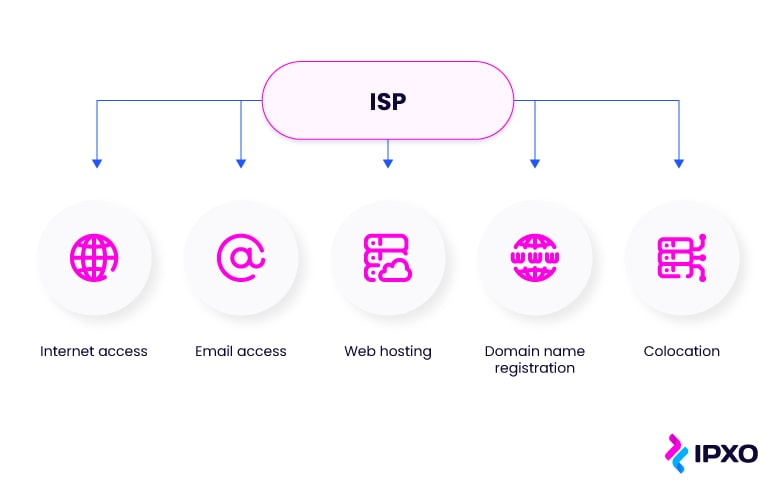
Internet Service Providers, or ISPs, play a big role in web hosting. They provide the internet connection needed to host websites. ISPs supply the bandwidth that helps websites run smoothly. This keeps sites fast and reliable. They also offer IP addresses. These addresses help users find your website online.
Some ISPs offer hosting services directly. This means they can store website data on their servers. They manage the hardware and keep data safe. Their services can include security features. These features protect websites from attacks. Choosing the right ISP can improve your website’s performance.
Types Of Web Hosting Supported By Isps
Shared hosting is like living in an apartment. Many websites share one server. This keeps the cost low. It’s great for small businesses or personal blogs. But it may be slow if the server is busy. You do not need to be a tech expert. The ISP takes care of most things.
Dedicated hosting is like owning a house. One server for one website. This means you get full control and high performance. It’s ideal for big websites with lots of traffic. You must know some tech skills. It costs more than shared hosting.
Virtual Private Server is a mix of shared and dedicated hosting. Think of it as a townhouse. You share a server but get your own space. It’s more flexible than shared hosting. It costs less than dedicated hosting. You need some tech knowledge to manage it.
Cloud hosting uses many servers. Your website can use resources from many places. This makes it very reliable. It’s great for sites that may grow fast. It’s easy to scale up or down. You pay for what you use. The cost can change based on usage.
Benefits Of Isp-provided Hosting
ISP hosting offers strong reliability and uptime. Websites stay online more often. Consistent uptime is key. Visitors access sites easily. Downtime can affect user trust. ISPs work to keep sites running. They have backup systems in place. This helps avoid long outages.
ISPs provide helpful technical support. Experts are ready to fix issues. They answer questions quickly. Support is available by phone or chat. This helps solve problems fast. Experienced teams understand hosting needs. They guide users through challenges.
Scalability is important for growing sites. ISPs offer flexible plans. Users can start small. They can upgrade easily. As traffic grows, resources increase. This ensures sites stay fast and responsive. Scalable options suit different needs. Users pay for what they use.
Challenges With Isp Web Hosting
Many ISPs offer limited options for customization. Users often want more control over their sites. Custom themes might not be available. Features can be hard to change or update. This limits creativity and personal touch.
Downtime can be a real problem. Websites may go offline unexpectedly. This can happen due to server issues. Downtime affects user experience. It can also harm business reputation. Reliable hosting is crucial to avoid these issues.
Hosting with an ISP can be costly. There might be hidden fees. Costs can increase with more features. Budgeting becomes essential. Some users find cheaper options elsewhere. Understanding the total cost is important.

Credit: en.wikipedia.org
Choosing The Right Isp For Hosting
Internet Service Providers offer many packages. Some are fast, others are slow. Speed is important for hosting. Some packages include more data. More data is better. Look for unlimited data. This means no extra charges. Ask about uptime guarantees. Higher uptime means better service.
Technical support is important. Problems can happen anytime. 24/7 support is best. Live chat is good. Email support can be slow. Phone support is fast. Check reviews for support quality. Good support solves problems quickly. Poor support can delay your work.
Costs can be different. Compare prices from different ISPs. Look for hidden fees. Consider the features you get. Some ISPs offer free setup. Others charge for it. Extra features like free domains are helpful. Compare everything before deciding.
Future Of Isp And Web Hosting
Internet speeds are getting faster. Fiber optics bring quick downloads. 5G technology is expanding. It offers better connectivity. Cloud hosting is popular. It is flexible and scalable. AI tools help improve security. They prevent cyber threats.
More people want websites. Businesses need online presence. E-commerce is booming. Social media usage is high. Content creators need platforms. Streaming services require strong networks. Demand for hosting grows each year.
ISPs are adapting. Offering better services. Improving customer support. Providing higher bandwidth. Launching new packages. Focusing on user experience. ISPs want to keep customers happy. They work hard to meet needs.
Credit: www.ipxo.com

Credit: abusix.com
Frequently Asked Questions
Do Isps Host Websites?
Yes, some ISPs offer website hosting services. They provide server space and support for hosting websites. Not all ISPs include this service, so it’s essential to check with your provider. Hosting through an ISP can be convenient, but specialized hosting companies might offer more features.
Can I Host A Website On My Local Network?
Yes, you can host a website on your local network. Use software like XAMPP or WAMP for setup. Ensure your router and firewall settings allow external access if needed. Local hosting is ideal for development or personal use. For public access, consider professional hosting services.
Can I Do My Own Web Hosting?
Yes, you can host your own website. You’ll need a server, domain, and technical skills. It’s cost-effective but requires maintenance and security knowledge. Consider using a reliable hosting provider for convenience and support.
What Is A Web Hosting Provider?
A web hosting provider offers services and technologies to host websites on the internet. They store website data on their servers, ensuring accessibility online. Users select plans based on website needs, including storage and bandwidth. Reliable hosting improves website performance and security, crucial for online success.
Conclusion
Choosing the right ISP for web hosting is essential. It impacts speed, reliability, and security. A strong ISP ensures your website runs smoothly. Users get quick access and better experience. Consider bandwidth, uptime, and customer support. These factors matter for seamless hosting.
Research and compare options carefully. Pick an ISP that meets your needs. This choice influences your site’s success. Make informed decisions to enhance your online presence. Reliable hosting builds trust with visitors. Happy users return and engage more. Keep these insights in mind as you select your ISP.
Aim for optimal performance and satisfaction.


