
Starting a web hosting company might sound like a daunting task, but it can be an exciting and rewarding venture. Have you ever wondered what it takes to set up your own hosting business?
You might think you need a lot of technical expertise or a huge budget, but that’s not necessarily the case. By understanding the essentials, you can be on your way to creating a successful web hosting service that meets the needs of businesses and individuals alike.
Imagine being the go-to person for businesses looking to establish their online presence. By the end of this article, you’ll have a clear roadmap of what’s needed to launch your own web hosting company. Whether you want to offer shared hosting, VPS, or dedicated servers, knowing the right tools and strategies is crucial. You’ll learn the secrets behind choosing the right infrastructure, understanding customer needs, and delivering exceptional service that keeps clients coming back. Ready to dive in and discover what you need to become a key player in the web hosting world? Let’s get started!
Business Plan
Knowing the market is very important. You must identify who your competitors are. Understand what services they provide. Study their pricing models. This helps you plan better. Find what is missing in the market. Offer something unique. This attracts more customers. Know the trends in the industry. This keeps you ahead in the game.
Who are your customers? Identify their needs. What problems do they face? Find ways to solve them. This builds trust. Are they small businesses or individuals? Tailor your services to meet their needs. Communication is key. Use simple terms they understand. This helps you connect with them better.
Understand your budget. List all expenses. This includes software, hardware, and marketing. Plan your revenue streams. Will you offer monthly or annual plans? Ensure your pricing covers costs. Save some funds for emergencies. This ensures you stay afloat. Monitor your cash flow regularly. Stay on top of your finances.
Legal Requirements
Registering your business is the first step. Choose a name. This name should be unique. Check if it’s available. You need to decide your business structure. Options include sole proprietorship, partnership, or corporation. Each type has its own rules. File the necessary documents. You may need to pay fees. This makes your business legal.
Licenses and permits are essential. They keep your business legal. Check what licenses you need. It depends on your location. Contact local authorities. They will provide guidance. Apply for the necessary permits. This ensures smooth operation. Without them, you may face fines.
Writing a Terms of Service is crucial. It protects both you and your clients. Explain what services you offer. State the rules clearly. A Privacy Policy is also important. It tells users how you handle data. Users must trust you. Keep their data safe. Update these documents regularly.
Technical Infrastructure
Strong server hardware is crucial for a web hosting company. It handles all the data. Choose servers with fast processors and enough RAM. This ensures smooth performance. Reliable storage is also important. It keeps all websites’ data safe. Regular updates keep hardware running well. Good servers can handle many users at once.
The data center location affects website speed. Pick a spot near your users. It reduces loading times. A safe location is also key. It protects data from natural disasters. A good data center has strong security. This guards against unauthorized access. Backup systems are needed too. They ensure data is always safe.
Network connectivity is the backbone of web hosting. Fast internet connections are necessary. They help users access sites quickly. Reliable connections prevent downtime. Multiple connections are better. They offer backup if one fails. Good connectivity improves user experience. It makes websites load faster.
Software And Platforms
Choosing a control panel is important. It helps manage hosting accounts. Popular options include cPanel and Plesk. These are user-friendly. They make tasks simple for customers. Some people prefer DirectAdmin. It’s another good choice. Choose the one that suits your needs best. Each has unique features.
Billing software is necessary for payments. It handles subscriptions and invoices. WHMCS is a popular option. It also manages customer support. Another choice is Blesta. It’s simple and effective. Both help with customer management. They keep everything organized. Choose a software that fits your company’s size.
Keeping data safe is critical. Security software protects against threats. SSL certificates are a must. They secure customer data. Using a firewall is also important. It blocks harmful attacks. Consider tools like Imunify360. They provide extra protection. Always keep your security software updated. This ensures maximum safety.
Staffing Needs
A strong technical support team is crucial. They help solve client problems. Fast and polite service is key. They must know web hosting inside out. This team keeps clients happy and systems running smoothly. Skilled support means fewer issues. Clients trust your company more.
The sales and marketing staff bring in new clients. They create ads and promotions. Their job is to make your company known. They explain why your service is best. Good marketing increases sales. More sales mean more growth. They play a big role in success.
Administrative roles keep things organized. They handle paperwork and finances. They make sure bills are paid on time. They organize schedules and meetings. A good admin team helps the company run smoothly. Without them, chaos can occur. They are vital for order and efficiency.

Credit: www.inmotionhosting.com
Marketing Strategy
Starting a web hosting company requires a clear marketing strategy. Identify your target audience and understand their needs. Develop a competitive pricing model and ensure reliable customer support.
Brand Development
Building a strong brand is key for a web hosting company. A clear brand identity helps you stand out. Choose a unique name and design a memorable logo. This makes your brand recognizable. Consistent branding builds trust with customers. Use the same colors and fonts in all materials.
Online Marketing
Online marketing helps reach more people. Create a simple website with easy navigation. Use social media to share news and updates. Blogs can help explain your services. Search engine ads can also bring in new customers. Email marketing keeps customers updated.
Partnerships And Collaborations
Work with other companies for mutual benefits. Team up with software developers to offer extra tools. Collaborate with digital agencies to reach more clients. Partnerships can lead to shared success. Always seek partners who share your values.
Customer Support
24/7 Support Availability is vital for a hosting company. Clients need help at any hour. A team should be ready to answer calls. Emails should be checked often. Chat should be available all the time.
Knowledge Base and Documentation are crucial. Users prefer finding answers themselves. A clear guide helps them solve issues. Articles should be simple and direct. Pictures can make them even clearer.
Gathering Customer Feedback is important. It shows what users think. Surveys help understand their needs. Reviews can point out problems. Feedback should be used to improve services.
Financial Management
Starting a web hosting company requires solid financial management. Initial investments for servers and infrastructure are crucial. Budget planning for marketing and operational costs ensures sustainable growth.
Pricing Strategy
Choosing the right pricing strategy is very important. Think about what your customers need. You can offer different plans. Each plan can have different features. Some people like cheap plans. Others want more features. Test different prices. See what works best. Adjust prices if needed.
Payment Processing
Accepting payments must be easy for customers. Use secure payment gateways. PayPal and Stripe are popular choices. Ensure customers can pay without trouble. Fast payments make them happy. Offer multiple payment options. Credit cards and bank transfers are common. Keep their data safe.
Financial Reporting
Keep track of all money coming in and going out. Use financial reports to see how your business is doing. Reports help you make good decisions. They show profits and losses. Use accounting software to make reports easy. QuickBooks and FreshBooks can help. Check reports often. Stay updated with your finances.
Scalability And Growth
A web hosting company needs good resource management. This means using servers and networks well. You must make sure all systems work smoothly. Efficient use of resources helps save money and time. Managing resources helps in growing the business.
As the business grows, server capacity must grow too. More websites need more space and power. Adding new servers helps handle more customers. This keeps websites fast and reliable. Always plan for more capacity than you need now.
Technology changes fast. A web hosting company must use the latest technology. This helps keep services up-to-date and secure. Investing in new tech means staying ahead of competitors. Regular updates and upgrades are important.
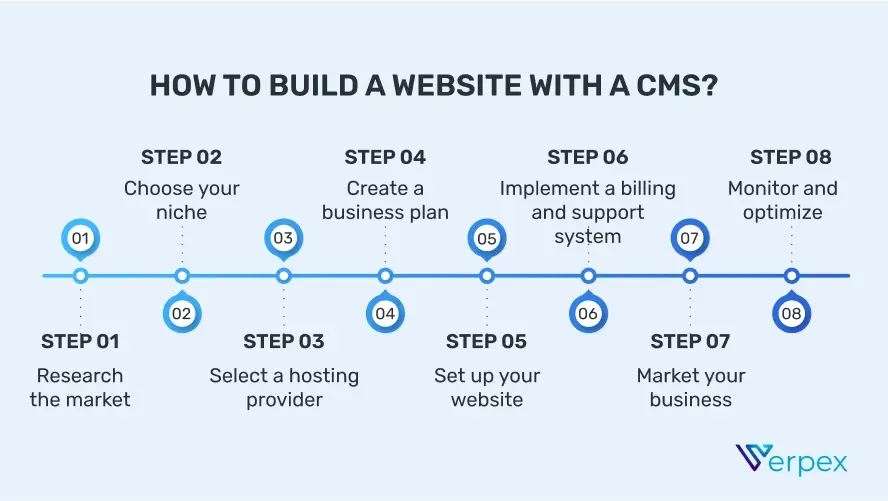
Credit: verpex.com

Credit: www.isitwp.com
Frequently Asked Questions
Is Web Hosting Profitable?
Web hosting can be profitable. Businesses earn through subscriptions, additional services, and upselling. Success depends on reliable service, marketing, and customer support.
How Do I Get Started With Web Hosting?
Choose a reliable web hosting provider. Select a suitable plan based on your needs. Register a domain name. Set up your hosting account by following the provider’s instructions. Install a content management system like WordPress for easy website management.
What Are The Three Types Of Web Hosting?
The three types of web hosting are shared hosting, VPS hosting, and dedicated hosting. Shared hosting is cost-effective but less powerful. VPS hosting offers flexibility and better performance. Dedicated hosting provides maximum control and resources for high-traffic sites. Choose the type based on your website needs and budget.
How Much Money Is Required To Host A Website?
Hosting a website costs between $3 to $300 monthly. Prices vary based on hosting type and features. Shared hosting is cheaper, while dedicated hosting is pricier. Consider your website’s needs and budget when choosing. Always compare different hosting providers for the best deal.
Conclusion
Starting a web hosting company requires careful planning and resources. Essential elements include reliable servers and robust security. Customer support is crucial for client satisfaction. Ensure you have a user-friendly website and management tools. A strong marketing strategy attracts potential customers.
Stay updated on industry trends and technology. Financial planning and budgeting are key for sustainability. Address legal requirements to avoid issues. Building trust with clients ensures long-term success. Embrace challenges and learn continuously. With dedication, your web hosting business can thrive.


