
Imagine your website as a house. Just like a house needs land to sit on, your website needs a space on the internet to live.
This space is provided by what is known as a web hosting account. Understanding what a web hosting account is can be the key to unlocking your website’s potential. Whether you’re looking to start a blog, run an online store, or showcase your portfolio, knowing the ins and outs of web hosting can make or break your online presence.
Dive into this guide to discover exactly what a web hosting account is, why it’s crucial, and how it can empower you to create a seamless digital experience. Your website’s success starts here, and you’ll soon see why having the right web hosting account makes all the difference.
Types Of Web Hosting
Shared hosting is simple and easy. Many websites use one big server. Each site gets its own space. This is cheap and good for small sites. But if one site is busy, others might slow down. Shared hosting is like living in a big house with many roommates.
VPS stands for Virtual Private Server. It’s like a shared server but better. Each site feels like it has its own server. This means more control and speed. It’s great for sites that are growing. More power but not too costly.
With dedicated hosting, one server hosts one site. This means full control and high speed. It’s perfect for big sites with lots of visitors. But it costs more money. Imagine having your own house with no roommates.
Cloud hosting uses many servers. If one server is busy, others help out. This makes sites fast and reliable. It’s good for sites with changing traffic. Costs can vary. Cloud hosting is like having many helpers ready to work.

Credit: www.pcmag.com
Key Features Of Web Hosting Accounts
Disk space is the storage for your website files. It helps keep your data safe. Bandwidth is the amount of data that moves between your site and users. If a site has more visitors, it needs more bandwidth. Both are important for smooth web performance.
A control panel is a tool to manage your hosting account. It lets you add domains, check stats, and update settings. It makes managing websites easy and fun. Popular control panels include cPanel and Plesk.
Hosting accounts offer email accounts linked to your domain. This gives a professional look. It helps in communication with clients. You can create multiple email accounts for your team. Easy management with control panels.
Security is vital to keep sites safe from attacks. Hosting accounts offer tools like SSL certificates. These tools protect data and keep hackers away. Regular updates and backups also help in safety. Always check security features before choosing a host.
Choosing The Right Web Hosting
Your website needs space and speed. Think about how many visitors you expect. Images and videos need more space. Blogs and text need less. Choose a plan that fits your needs.
Hosting can be cheap or expensive. Basic plans cost less. Advanced features cost more. Check if there are extra fees. Renewal prices might be higher. Make sure the price is right for you.
Good support is very important. Choose a host with 24/7 help. Live chat and phone support are best. You might need help anytime. Read reviews to know if support is good.

Credit: www.godaddy.com
Setting Up A Web Hosting Account
Choose a unique name for your website. This name is called a domain. Check if the domain is available. Use a domain registrar to register the name. Pay the fee to secure the domain. This is important for your website’s address.
DNS stands for Domain Name System. It connects your domain to your web hosting server. Access the DNS settings through your registrar account. Enter the server details provided by your host. This step ensures that visitors reach your site.
Create your website files first. Use a tool like FTP to upload them. FTP stands for File Transfer Protocol. Connect to your web hosting account. Drag and drop the files to the server. Check if the website is live after uploading.
Common Web Hosting Issues
Websites need to be online all the time. Downtime means your site is not working. This can make visitors unhappy. They might leave and not come back. It’s important to have a reliable hosting provider. They should offer at least 99% uptime. This means your site stays online most of the time. Check their reviews before choosing.
Hosting plans have limits. Limited resources can slow down your site. Slow sites annoy visitors. They may leave quickly. Make sure your hosting plan fits your needs. Look for unlimited bandwidth and enough storage. This helps your site run smoothly. Upgrade your plan if needed.
Technical issues can happen anytime. You might face server errors or slow loading. These problems are frustrating. A good hosting provider offers 24/7 support. They help fix issues fast. Make sure to choose a hosting service with excellent customer support. This keeps your site running well.
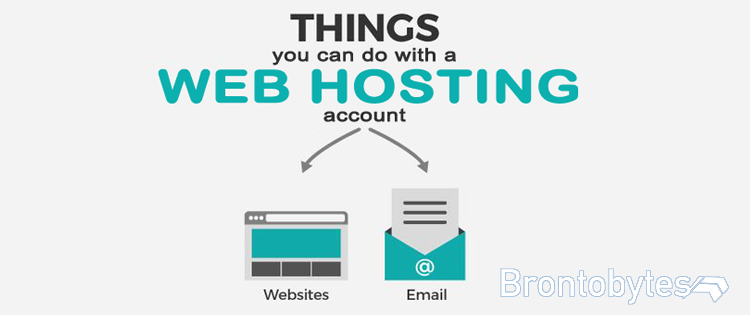
Credit: www.brontobytes.com
Tips For Managing Web Hosting
Always keep your website safe. Backups are very important. They save your data. If your site breaks, you can restore it. Use tools that automate this. Set a schedule for backups. Keep copies in different places. Cloud storage is a good choice.
Websites need to run fast. Monitoring performance helps with this. Check your website speed often. Look for any issues. Use online tools to test speed. Pay attention to slow loading pages. Fix them quickly. A faster site makes visitors happy.
As your site grows, it needs more resources. Scaling resources is key. Start with a small plan. Upgrade when needed. Watch your website traffic. Add more bandwidth if necessary. This keeps your site running smoothly. Avoid downtime by planning ahead.
Frequently Asked Questions
What Is A Web Hosting Account?
A web hosting account stores your website files on a server, making it accessible online. It provides necessary resources like storage, bandwidth, and security features for your website to function smoothly. Choose a reliable hosting provider to ensure optimal website performance and uptime.
How Much Does Web Hosting Cost?
Web hosting costs vary, ranging from $3 to $300 per month. Shared hosting is cheaper, while dedicated hosting is more expensive. Prices depend on features, performance, and provider. Always compare options before deciding.
Is Web Hosting Free?
Web hosting can be free, but often comes with limitations. Free plans usually have restricted features, limited storage, and ads. Paid hosting offers more reliability, better performance, and additional features. Always research before choosing a hosting provider to ensure it meets your website’s needs.
Do I Need Web Hosting For My Domain?
Yes, web hosting is necessary to make your domain accessible online. Hosting stores your website’s files and data. Without it, your domain is just a name without content. Choose a reliable hosting provider to ensure your website runs smoothly and securely.
A good host enhances website performance and user experience.
Conclusion
Choosing the right web hosting account is essential for your website. It affects speed, uptime, and security. Consider your needs before deciding. Shared hosting suits small sites. VPS or dedicated servers work better for larger ones. Research providers and read reviews.
Reliable support is crucial. Compare prices and features carefully. Look for scalability options. Keep your budget in mind. Regular updates and backups ensure safety. Your choice impacts your site’s success. Make an informed decision for your online presence. Remember, a good web hosting account supports your digital goals.


