
Choosing the right web host is crucial for your online success. If your website is slow or frequently down, visitors won’t stick around.
You want a hosting provider that makes your site fast, reliable, and secure. But how do you find the perfect match? What should you consider before making a decision? We’ll walk you through the key factors you need to evaluate when selecting a web host.
You’ll learn how to make a choice that supports your goals and meets your needs. Stay tuned, because the right decision can make all the difference for your online presence.
Types Of Web Hosting
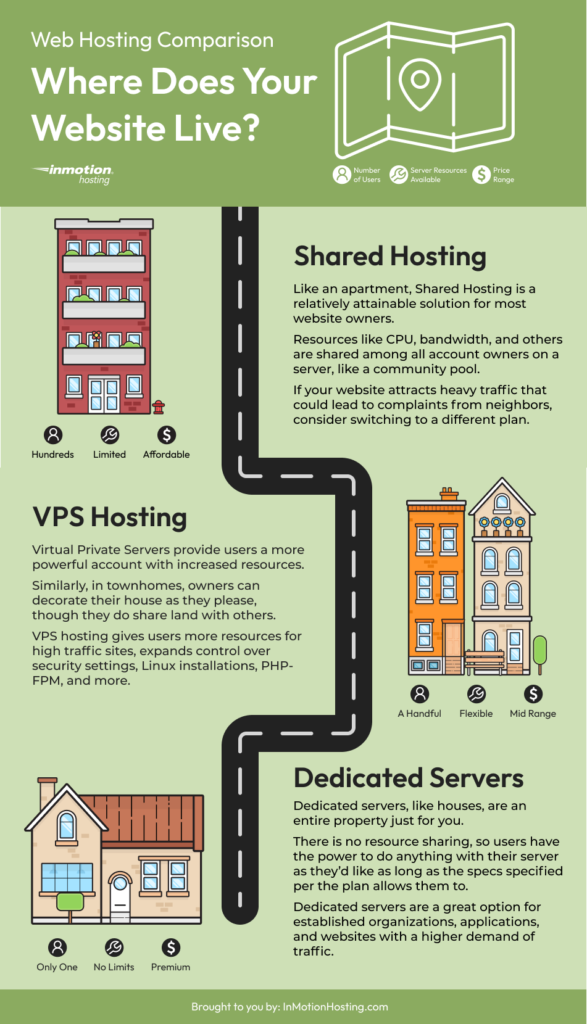
Shared hosting is cheap and easy. Many websites use one server. Resources like CPU and memory are shared. It’s good for small sites. Traffic is usually low. Cost stays low for beginners. Security is not always strong. Performance can be slow if many sites are busy.
VPS hosting gives more control. It acts like a virtual server. Sites share hardware but have private resources. More expensive than shared hosting. Good for sites with medium traffic. Better security and performance. Customizable settings are available.
Dedicated hosting means one server for one site. Full control of resources. High cost but also high performance. Best for sites with heavy traffic. Excellent security. Custom software and settings are possible. Not for beginners.
Cloud hosting uses many servers. It’s flexible and scalable. Resources adjust to traffic. Pay only for what you use. Good for sites with changing traffic. Reliable and secure. More expensive than shared hosting. Handles traffic spikes well.
Credit: www.whatsthehost.com
Server Reliability
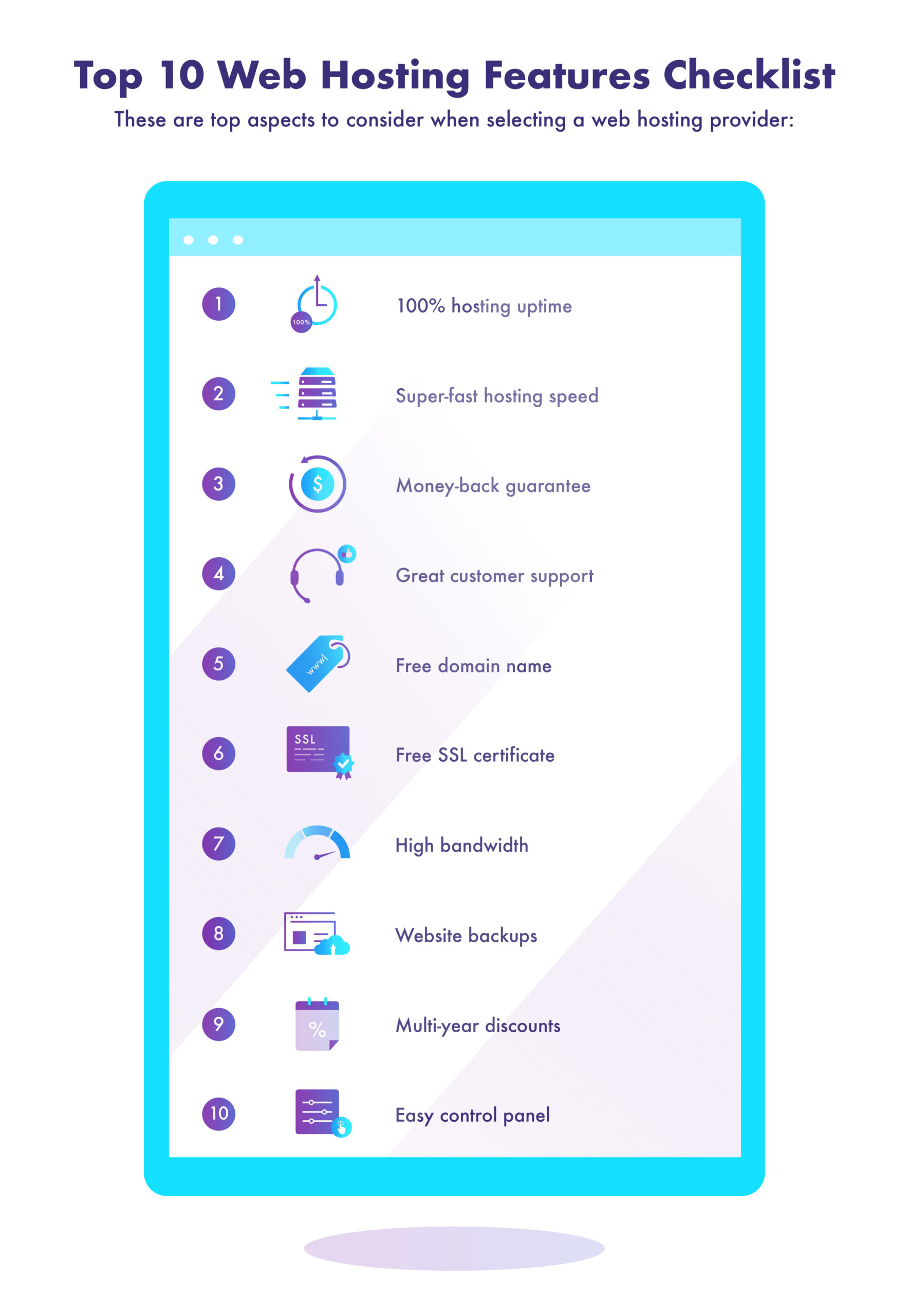
A reliable web host should offer a high uptime guarantee. This means your website stays online. The best hosts promise 99.9% uptime. Always check the host’s track record. Consistent uptime is vital for any website. It keeps your site available to users. Poor uptime can hurt your website. Users may get frustrated and leave. This can affect your business or blog.
Downtime means your site is not reachable. This can be bad for business. People can’t visit your site. Sales and traffic may drop. Search engines may also notice. They may rank your site lower. This can hurt your site’s visibility. Always choose a host with good uptime. Your website’s success depends on it.
Performance And Speed
Bandwidth and storage are key for a website. Bandwidth affects how many users can visit your site at once. More bandwidth means more visitors. Storage is where your website data lives. Images and videos need more space. Choose a host with enough storage for your needs.
Look for hosts that offer unlimited bandwidth. This helps with heavy traffic days. Storage should also be expandable. Hosts often allow upgrades. Start small, but be ready to grow.
Content Delivery Networks (CDNs) help with site speed. They store copies of your site on many servers. This means faster loading times. Users get data from the nearest server. CDNs can handle large traffic. They improve user experience. Choose a host with CDN options. This makes your site faster worldwide.
CDNs also help with security. They can block threats before reaching your site. This keeps your data safe. Look for a host that offers CDN security features. It’s important for protecting your site.
Security Features
SSL Certificates keep your site safe. They encrypt data. This stops bad people from stealing information. Every website needs this. Your users stay safe. Search engines like safe sites. Your site ranks higher with SSL.
A firewall blocks bad traffic. It keeps hackers away. Your data stays safe. This is like a shield for your site. Every web host should offer this. It is very important for your peace of mind.
Mistakes can happen. Data can get lost. Backup and restore features help. They save your data. You can get it back if lost. This is like a safety net. Always check for this feature. It saves time and stress.
Customer Support
24/7 Availability is vital for web hosting. Issues can happen anytime. Reliable hosts offer round-the-clock help. This ensures that your website stays online. Night or day, someone is ready to assist.
Technical Expertise is equally important. Support staff should know what they’re doing. They should solve problems quickly. Knowledgeable support saves time and headaches. Choose a host with skilled technicians.
Pricing And Plans
Free hosting is good for small projects. But it comes with limits. You may get ads on your site. Also, space and speed might be less. Paid hosting offers more features. You get better speed and more storage. No ads on your site. It helps if you need a professional look.
Always check for hidden costs. Some hosts charge for extra services. Like backup, security, or email. These are not always clear at first. It’s important to read all terms. This helps avoid surprises later. Choosing the right host saves money and stress.
Scalability Options
Choosing a web host with good growth potential is smart. As your website grows, you need more space. A web host should support this. It should be easy to upgrade resources.
Resource upgrades can include more storage or bandwidth. This helps your website stay fast. A slow website can lose visitors. So, keep your site quick and efficient. Choose a host that allows easy upgrades.
Always check the host’s terms. Some hosts make upgrading hard or costly. Read reviews and customer feedback. This helps you find a host that cares about your growth. Remember, a good host supports your website’s future.
Credit: www.inmotionhosting.com
User-friendly Features
Control Panel Interface makes web hosting easier. It helps you manage your site. Simple icons guide you. Tasks are clear and direct. Choose a host with a good control panel. It saves time and effort. Look for panels like cPanel or Plesk. They offer many helpful tools. Beginners find them easy to use. Advanced users get more options. Control panels should be intuitive. This means easy to understand. It reduces mistakes. You gain confidence in managing your site.
Website Builders are tools to create websites. No coding skills are needed. Drag and drop elements build pages. Pick colors, fonts, and images easily. Website builders offer templates. These templates help make your site look good. Choose a host with a builder included. It saves money and is convenient. Builders should be versatile. This means they can do many things. Choose one with many features. You create a unique site without coding.
Reputation And Reviews
Choosing a web host is important. Reputation is a key factor. A good reputation means trust. Check what others say about the host. Read reviews online. Reviews show real user experiences. Look for both good and bad reviews. This helps you see a full picture. Look for patterns in reviews. If many users mention slow speed, it might be true. Also, check how the host replies to complaints. A quick response shows they care. A host with many positive reviews is often reliable. Friends and family can also give advice. Their opinions can be trusted. Always remember, a reputable host means peace of mind. Your website’s success depends on your host. Choose wisely.
Credit: www.hostpapa.com
Frequently Asked Questions
What Factors To Consider When Choosing A Web Host?
Consider uptime reliability to ensure your website remains accessible. Evaluate customer support for swift problem-solving. Check bandwidth and storage limits for scalability. Ensure robust security features to protect data. Compare pricing for cost-effectiveness without compromising quality.
Which Web Hosting Is Best For Beginners?
Bluehost offers user-friendly features and excellent customer support, ideal for beginners seeking reliable web hosting. Their one-click WordPress installation and intuitive control panel simplify website management. Affordable pricing and a free domain for the first year make it a great choice for starting out.
Do I Really Need A Host For My Website?
Yes, a host is essential for a website. It provides the necessary space and support for your site to be accessible online. Without hosting, your website can’t be viewed by others on the internet. Choose a reliable hosting provider to ensure optimal performance and security.
What Are The Three Things Needed To Host A Webpage?
To host a webpage, you need a domain name, a web hosting service, and website files. Choose a domain that represents your brand. Select reliable hosting to store and serve your files efficiently. Upload website files for visitors to access your site.
Ensure all components work seamlessly together.
Conclusion
Choosing the right web host is crucial for your site’s success. Consider server reliability to ensure constant uptime. Look at the support options; responsive help is vital. Evaluate the pricing plans; balance cost with features. Check for security measures to protect your data.
Assess scalability options for future growth. Pay attention to speed; fast loading improves user experience. Make sure the host offers a user-friendly control panel. Gather feedback from current users to gauge satisfaction. With these points in mind, you can select a web host that fits your needs.
Your choice impacts your online presence.


