
Imagine having a brilliant idea for a website, but not knowing where to start. That’s where understanding web hosting becomes crucial.
So, what do we mean by web hosting, and why is it essential for your online presence? Think of web hosting as renting space on the internet for your website. Just like you need a physical place to live, your website needs a digital home.
Without it, your site can’t be accessed by anyone online. Curious about how this works and why it matters to you? We’ll dive into the nuts and bolts of web hosting, breaking down complex terms into bite-sized, easy-to-digest pieces. You’ll discover why choosing the right web hosting service can be a game-changer for your website’s success. Stick around, and let’s unravel the mystery behind web hosting together, ensuring you make informed decisions for your digital journey.

Credit: www.godaddy.com
Web Hosting Basics
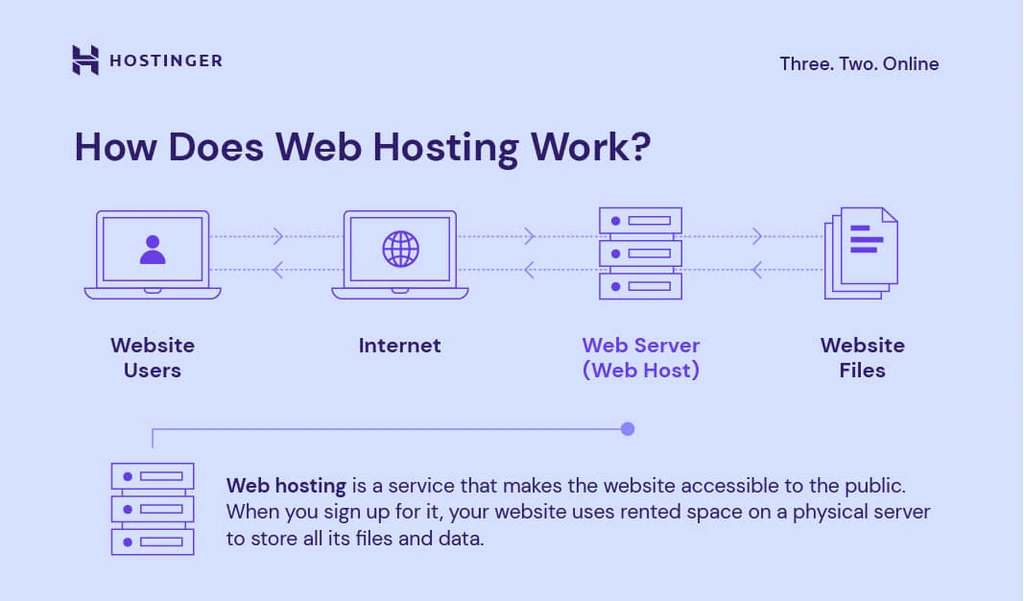
Web hosting is like renting a space on the internet. It is where your website lives. Every website needs a home. The home is the server. A server is a powerful computer. It stores all your website files. People can see your site by typing your web address. This is known as your domain name. The domain points to your server. Without hosting, your site cannot be seen online.
Good web hosting is very important. It makes your site fast. A fast site keeps visitors happy. People do not like slow sites. Hosting also keeps your site safe. It protects your files from hackers. A good host provides support. They help if something goes wrong. Choosing the right host is crucial. It can make or break your site. Always pick a trusted hosting provider.
Credit: www.hostinger.com
Types Of Web Hosting
Shared hosting is like living in a big house. Many websites share one server. This makes it cheap. It’s good for small websites. But it can be slow. If one site gets busy, others slow down. It’s simple to use. No need to manage the server.
Dedicated hosting is like having your own house. One server is just for you. Your website runs fast. You have full control. It’s more costly. Good for large websites. You need to know server management. It’s private and secure.
VPS hosting is a mix of shared and dedicated. It’s like an apartment. Part of a server is for you. It’s faster than shared hosting. You have more control. It’s cheaper than dedicated hosting. Good for growing websites.
Cloud hosting is like living in many houses. Your website uses many servers. It handles high traffic well. It’s flexible and scalable. You pay for what you use. It’s reliable and fast. Perfect for websites with changing needs.
Choosing The Right Host
Picking a good web host is vital. Uptime is crucial. Websites must stay online. Speed matters too. Slow sites lose visitors. Security is essential. Protect data and keep safe. Customer support helps when problems arise. Read reviews before choosing. Compare features and prices.
Many hosting providers exist. Compare them carefully. Look at features each offers. Pricing must suit your budget. Check if they have 24/7 support. Some hosts offer free domains. Others have easy-to-use tools. Tables help compare providers. Find the best fit for your needs.
Web Hosting Features
Bandwidth and storage are two key features of web hosting. Bandwidth is the amount of data your site can handle. More bandwidth means more visitors can view your site at once. Storage is the space your site uses. It stores all your files, images, and videos.
Security features keep your website safe. They protect against hackers and viruses. Good web hosts offer SSL certificates. These make sure data is safe. Firewalls and backups are also important for security.
Customer support is crucial in web hosting. It helps solve problems fast. Good support is available 24/7. They can help with technical issues. Live chat, email, and phone support are common ways to get help.
Setting Up Your Website
Web hosting means renting space on a server for your website. It stores your site’s files and makes them accessible online. Choosing a reliable host is crucial for your website’s performance and availability.
Domain Registration
First, pick a name for your website. This is called a domain name. It’s like your website’s address. You need to register this name. Use a domain registrar to do this. Some popular ones are GoDaddy, Namecheap, and Google Domains. Make sure your name is easy to remember. It should be unique too. Check if it’s available. If it is, you can buy it. You will need to pay each year to keep it.
Installing Cms
After domain registration, install a Content Management System (CMS). This helps you build your website. WordPress is the most popular CMS. It is easy to use. You can also try Joomla or Drupal. These CMS have lots of templates. Pick a template you like. You can change it later if you want. CMS helps you add text, pictures, and videos to your website.
Configuring Email
You need an email for your website. It looks professional. You can set up email with your domain name. Use email hosting services like Google Workspace or Zoho Mail. They are easy to use. First, create an email address. It should match your domain name. You can use it for business talks. You can also set email forwards. They send emails to another address. This helps you manage your emails.

Credit: www.accuwebhosting.com
Common Challenges
Web hosting is essential for making websites accessible online, yet many face technical difficulties. Managing server downtime and ensuring security often pose challenges. Understanding these issues helps in choosing the right hosting service.
Downtime Issues
Websites can go down sometimes. This is called downtime. During downtime, visitors can’t see the site. This can make them unhappy. Downtime can also cause lost sales. Many companies work hard to reduce downtime. They use strong servers and good technology. But downtime still happens sometimes. It is a big challenge for web hosting.
Scalability Concerns
Websites can get more visitors over time. They need to handle more traffic. This is called scalability. Some web hosts can’t grow with the site. This can cause slow loading times. Visitors might leave if the site is slow. Choosing a host that can scale is important. It helps keep the site fast and ready for more visitors.
Technical Support
Technical support is very important. Problems can happen anytime. Good support helps fix them fast. Some hosts have 24/7 support. This means they help any time of day. Other hosts have slow support. It can take days to get help. Fast support is better for website owners. It helps keep things running smoothly.
Future Of Web Hosting
Web hosting means storing your website files on a server, making them accessible online. The future of web hosting involves faster, more secure services, with cloud-based solutions leading the way. Enhanced scalability and reliability will support growing online needs.
Emerging Technologies
Web hosting is changing fast. Emerging technologies bring new options. Cloud hosting is very popular now. It helps websites load faster. Artificial Intelligence is making hosting smarter. It can fix problems quickly. Green hosting is also growing. It uses less energy and is better for the earth.
Trends In Hosting Services
Hosting services are always improving. Security is a big focus now. Many people want their data safe. Backup services are important too. They save data if something goes wrong. Flexible plans are common. People can choose what they need. Customer support is better than before. Help is available 24/7. Hosting is becoming more user-friendly.
Frequently Asked Questions
What Is Web Hosting With An Example?
Web hosting provides storage and access for websites on the internet. For example, Bluehost hosts WordPress sites, offering space and bandwidth.
What Are The 3 Types Of Web Hosting?
The three types of web hosting are shared hosting, virtual private server (VPS) hosting, and dedicated server hosting. Shared hosting is cost-effective, VPS offers more control, and dedicated hosting provides maximum resources. Each type caters to different website needs and budgets.
Can I Run My Website Without Hosting?
You need hosting to run a website. Hosting provides server space for your website’s files. Without hosting, your site cannot be accessible online. Consider using services like shared, VPS, or dedicated hosting to get your website live. Hosting ensures your website runs smoothly and is accessible to users worldwide.
What Is The Purpose Of A Web Host?
A web host stores and serves website files, ensuring your site is accessible online. It provides server space, security, and technical support, facilitating efficient website performance and management. Reliable hosting enhances site speed, uptime, and user experience, crucial for attracting and retaining visitors.
Conclusion
Understanding web hosting is crucial for a successful online presence. It acts as the foundation for your website. Choose a host that fits your needs and budget. Good web hosting ensures your site runs smoothly. Visitors appreciate fast loading times and reliability.
So, take time to research and decide wisely. Remember, your website’s success depends on your hosting choice. A reliable host boosts user experience and trust. Now, you’re ready to start your online journey with confidence. Keep exploring and learning more about web hosting options.
Your website will thank you.


