
Have you ever wondered what powers the apps you use every day or how your favorite websites deliver information to you so seamlessly? It’s all thanks to something called a Web API.
But what does “hosting Web API” really mean? Imagine it as the invisible backbone that supports and connects the digital experiences you enjoy. Understanding hosting Web API can unlock new possibilities for your business or personal projects. This introduction will guide you through the basics, helping you grasp the importance of this technology in our digital world.
Stick around as we dive deeper, and you’ll discover how hosting Web API can transform the way you interact with technology. Your curiosity will be rewarded with insights that could spark your next big idea!
Web Api Basics
A Web API lets computers talk to each other. They share data and services. Web APIs work over the internet. This means they use HTTP. HTTP is the same protocol used by websites. APIs help apps get information. For example, weather apps use APIs to get forecasts. APIs can also send data. This helps apps update and change.
Many apps use Web APIs. They make apps work better together. Developers build APIs using code. This code is like a set of instructions. These instructions tell apps how to use the API. Web APIs can be simple or complex. Simple APIs are easy to use. Complex APIs do more tasks.

Credit: www.youtube.com
Types Of Hosting
Web API hosting allows developers to run applications on a server, enabling access through the internet. Different types include shared, dedicated, and cloud hosting, each offering varying control, resources, and costs. This ensures efficient data exchange between servers and clients across the web.
Self-hosting
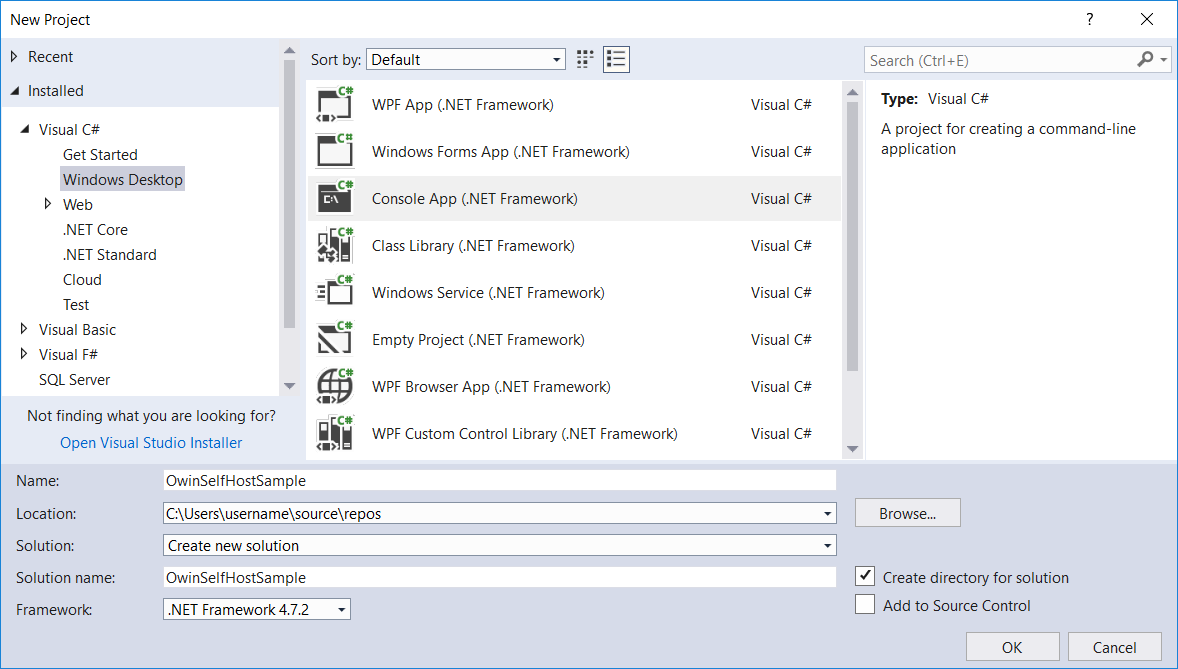
Self-hosting means you use your own computer. You set up the server yourself. This gives you full control. You manage everything. Updates, security, and more. It can be tricky to manage. You need technical skills. It’s great for learning. But not for big websites. Your computer must be on all the time. It might not be fast. Self-hosting is best for small projects. Or testing ideas.
Server-based Hosting
Server-based hosting uses dedicated servers. These are powerful computers. Companies rent them out. You don’t need to manage hardware. Someone else does that. You pay a monthly fee. Hosting providers handle updates and security. This makes it easier for you. It’s good for medium to large websites. You get better speed and reliability. Server-based hosting is popular. Many businesses use it.
Cloud Hosting
Cloud hosting is flexible. You use resources from many servers. It’s like a big network. You only pay for what you use. This is good for growing websites. You can scale up or down easily. Cloud hosting offers high speed. It also has great reliability. Many big companies use cloud hosting. It adapts to your needs. This makes it very popular.
Self-hosting Advantages
Self-hosting offers great control over your data. You manage your server settings. Privacy is a key benefit. Your information stays with you. No third-party access. Customizable options make it flexible. Choose the software you like. Upgrade when needed.
Running costs can be lower. No recurring fees to pay. Security is stronger. You set your own defenses. Protect your data with ease. Performance is smoother. Adjust resources to fit needs. Scale up or down as required.
Freedom to choose hardware. Pick your ideal setup. Experiment with new technologies. Enhance your skills and knowledge. Reliability improves with self-hosting. Depend on yourself, not others. Be the master of your own web space.
Server-based Hosting Benefits
A server-based hosting provides many benefits. The server offers strong security for your data. It keeps your information safe. Fast performance is another plus. Websites load quickly. This helps keep users happy. They don’t like waiting. Reliable uptime is important too. Your site stays online. This means fewer disruptions. Scalability is a key feature. As your website grows, the server can handle it. No need to worry about space. Cost-effectiveness is a bonus. Shared resources can save money. This option suits many businesses. Good technical support is available. Experts can help fix issues. This is useful if problems arise.
These benefits make server-based hosting a solid choice. It provides a stable and secure environment. Your website can thrive here. Consider these factors when choosing hosting options. They make a real difference in online success.
Cloud Hosting Features
Cloud hosting offers many benefits. It has high speed and security. It is very reliable. Users can access data anytime. It allows for quick scaling. This means adding more space when needed. Costs are flexible. You pay only for what you use. There is 24/7 support available. This means help is always there. Cloud hosting is environmentally friendly. It uses less energy. Data stays safe with encryption. This means only you can see it. Many companies choose cloud hosting for its features. It makes work easier and faster.
Choosing The Right Hosting
Choosing hosting affects how your app grows. Scalability means handling more users. If more people use your app, you need more resources. Cloud hosting can be a good option. It grows with your app. This means no worries about running out of space. Consider your app’s future. Will it need to grow fast? Then, choose a scalable option.
Cost is important when picking hosting. Some services are cheap. Others can be expensive. Shared hosting costs less but may be slow. Dedicated hosting gives more power. But, it costs more. Think about your budget. Balance cost with what you need. Don’t overspend if you don’t have to.
Performance affects how well your app works. Fast response times keep users happy. Dedicated servers can offer better speed. Shared servers might slow down during peak times. Test the hosting speed before choosing. Good performance keeps users coming back. Poor performance can drive them away.
Security In Web Api Hosting
Data encryption keeps information safe. It turns data into secret codes. This makes it hard for others to understand. Hackers cannot easily read encrypted data. Use strong encryption methods for better security. Protect sensitive information always. Encryption is like a lock for your data. Keep your data safe from prying eyes.
Access control means choosing who can see or change data. Only trusted people should have access. Set passwords and permissions carefully. Use two-step verification for safety. Control helps protect from unauthorized access. Keep your data safe with strict access rules.
Regular audits check for problems. They find weaknesses in the system. Audits help improve security. Fix issues quickly to stay safe. Check systems often for better protection. Audits show what needs fixing. Keep data safe with frequent checks.
Credit: learn.microsoft.com
Deployment Process
Hosting a Web API involves placing it on a server to manage client requests. This process ensures the API is accessible over the internet. Efficient deployment keeps the API running smoothly, allowing seamless interaction between applications and users.
Setting Up The Environment
Setting up the environment is very important. Start by choosing a server. Ensure the server can handle your API’s needs. Install necessary software. This includes the web server and runtime. These tools help your API run smoothly. Check the compatibility of your software. Make sure everything works well together. Set up the security settings. Protect your server and data.
Deploying The Api
Deploying the API is the next step. First, upload your API files to the server. Use FTP or other methods. Configure the server to recognize your API. Set the paths and permissions. Ensure the API is visible to users. Test the API before making it live. Find any errors or bugs. Fix these issues immediately.
Testing And Monitoring
Testing and monitoring are ongoing tasks. Run tests to check API performance. Look for slow responses or errors. Use monitoring tools to watch your API. These tools show how well the API works. React quickly to any problems. Keep your API running smoothly. Update the API regularly. This improves performance and security.
Common Challenges
Hosting a Web API can be challenging due to server configuration issues and security concerns. Scalability problems often arise with increasing user demands. Ensuring consistent performance requires regular monitoring and maintenance.
Downtime Issues
Web APIs can sometimes stop working. This is called downtime. It means the API is not available. Users might get upset. They can’t get data. This can be a big problem. Reliable hosting can help reduce downtime. Always keep an eye on your API status.
Scaling Difficulties
APIs sometimes get popular. More people start using them. This is called scaling. It can be tough to handle extra users. The system might slow down. It could even crash. Planning ahead is key. Make sure your API can grow.
Security Threats
Security is very important for APIs. Bad people try to break in. They want to steal data. Protect your API at all costs. Use firewalls and strong passwords. Regular updates can keep it safe. Always be ready for new threats.

Credit: www.youtube.com
Best Practices
Keeping your Web API updated is crucial. Updates fix bugs and improve features. Regular updates ensure compatibility with new technology. Updates also enhance security and protect data. Your API runs smoother with frequent updates.
Good performance makes users happy. Use efficient coding to speed up processes. Minimize data transfers to save bandwidth. Choose fast servers for hosting your API. Test your API regularly for speed issues.
Security is important for any Web API. Implement strong authentication methods. Use encryption to protect data. Regularly check for security vulnerabilities. Educate your team on security best practices.
Frequently Asked Questions
What Is Web Api Hosting?
Web API hosting provides a server environment for APIs to operate. It ensures accessibility, security, and scalability for API services. Hosting enables seamless communication between applications, allowing data exchange and functionality integration. It supports various protocols like HTTP/HTTPS for efficient interaction with web-based services.
What Does It Mean To Host An Api?
Hosting an API means providing a server environment for it to function and handle requests from users or applications. The server manages data exchange and ensures API availability, scalability, and security. Effective API hosting enhances performance and user experience, making it crucial for web and mobile applications.
What Do You Mean By Web Api?
A Web API is a set of rules that allows different software applications to communicate over the internet. It enables seamless data exchange between servers and clients, enhancing functionality and user experience on websites. Web APIs are essential for integrating third-party services and building dynamic web applications.
What Is Self-hosting In Web Api?
Self-hosting in Web API allows you to run APIs without a web server like IIS. It offers more control over the hosting environment, enabling customization and flexibility for developers. This approach is ideal for lightweight applications or services needing specific configurations.
Conclusion
Choosing the right hosting for your Web API is crucial. It affects performance, security, and reliability. Consider your needs and budget carefully. Look for hosting that offers scalability and good support. Always prioritize security features to protect user data. Ensure your hosting provider has a strong uptime record.
Reliable hosting enhances user experience and trust. Evaluate your options and make informed decisions. Remember, the right hosting can boost your API’s success. Happy hosting!


