
Have you ever wondered how websites magically appear on your screen? Or perhaps you’re curious about what makes a site accessible to people all over the world, around the clock.
The answer lies in web hosting. Understanding what web hosting means can empower you to make smart choices for your online presence, whether you’re launching a personal blog or managing a business website. Imagine having a powerful tool that can enhance your site’s performance and reliability.
By the end of this article, you’ll gain clear insights into the world of web hosting, allowing you to navigate it with confidence and ease. Discover the secrets behind how websites function seamlessly and find out how you can harness this technology to your advantage.
Basics Of Web Hosting
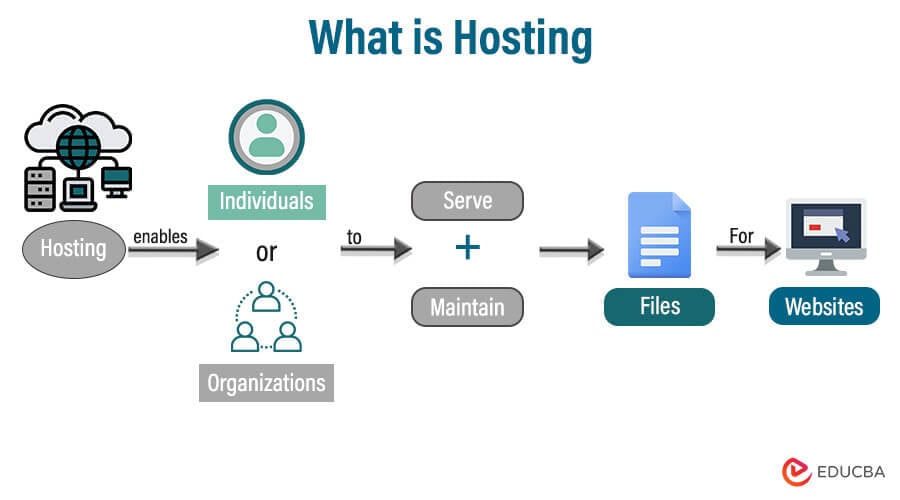
Web hosting is a service that lets you store your website files. These files live on a server. A server is a special computer. It stays online all the time. People can see your website any time. Web hosting makes your site visible to the world. Without it, your site stays hidden.
The main purpose of web hosting is to publish sites. It helps users find your site online. Hosting keeps your site safe and secure. It stores all your data. Hosting companies offer extra features. You can get email accounts. You can get more storage space. Speed is important too. Good hosting makes sites fast. People like fast sites. Hosting keeps sites running well.

Credit: www.layerhost.com
Types Of Web Hosting
Shared Hosting is like sharing a house with friends. Many websites live on one server. Each site gets a part of the server. It’s cheap and easy to use. But websites can be slow if many people visit at once. Good for small websites or beginners.
VPS is like having your own room in a big house. The server is split into parts. Each website gets its own part. More power and control than shared hosting. It is costlier but worth it for growing sites.
Dedicated Hosting is like owning a whole house. The server is just for your website. It offers high performance and security. It is expensive but ideal for large websites with heavy traffic. Best for business sites.
Cloud Hosting uses many servers at once. If one server fails, another takes over. This provides reliable and scalable service. You pay for what you use. Good for websites that grow fast or need lots of resources.
Key Features To Consider
Web hosting offers storage space for your website files. This space lets you save images, texts, and videos. You need enough space for your site to work well. Bandwidth is how much data moves between the server and users. More visitors need more bandwidth. If bandwidth is low, your site might be slow.
Uptime means your website is available online. Good hosting should have high uptime rates. This means your site is almost always up. If uptime is low, visitors can’t see your site. Reliability is about trust. You want a host that won’t crash often.
Security keeps your website safe. Good hosts offer strong security features. They protect against hackers and viruses. Look for hosts with SSL certificates. SSL helps keep data safe. Security stops bad people from stealing info.
Popular Web Hosting Providers
| Provider | Features | Pricing |
|---|---|---|
| Bluehost | Free domain, 24/7 support | Starts at $2.95/month |
| HostGator | 99.9% uptime, Easy control panel | Starts at $2.75/month |
| SiteGround | Fast servers, Daily backups | Starts at $3.99/month |
Bluehost offers a free domain but can be costly later. HostGator is budget-friendly but lacks some advanced tools. SiteGround is very reliable, yet higher in price. Users need fast and reliable hosting. Choosing the right one is important. Consider your needs and budget carefully. This helps in making a good choice.
Choosing The Right Hosting Service
Picking the best hosting depends on your website’s needs. Small blogs might need less space. Big online shops require more. Think about your website type. Do you have many visitors? Do you need a lot of storage? These questions help you decide.
Hosting comes with a cost. Some plans are cheap. Others are expensive. Decide your budget first. It’s important to stay within your budget. Look for plans that fit your pocket. Remember, cheap plans might have limits. Expensive plans can offer more features.
Websites grow over time. Choose a host that can grow with you. Can you add more space later? Is it easy to upgrade? Check these options before deciding. A flexible host can save time and money in the future.
Credit: www.educba.com
Common Web Hosting Challenges
Websites stop working during downtime. This is very frustrating. Visitors cannot access the site. This can lead to lost business. Causes include server failures and maintenance. Using a reliable hosting service can help. It ensures your site stays online most of the time.
Slow websites are annoying. They cause performance bottlenecks. This happens due to many reasons. Heavy traffic or large files are common causes. Optimizing images can help. Use a content delivery network (CDN). This speeds up your site.
Websites face security vulnerabilities. Hackers look for weak spots. They steal information. This is dangerous. Use strong passwords. Keep your software updated. This protects your website. Always backup your data. It keeps your data safe.
Future Trends In Web Hosting
Web hosting means renting space on a server to store your website files. Future trends in web hosting include increased cloud-based solutions and enhanced security measures, offering greater flexibility and protection for websites. These advancements aim to cater to growing demands for faster, more reliable online experiences.
Green Hosting
Web hosting uses lots of energy. Green hosting means using less energy. It helps the planet stay clean. Companies use solar power or wind power. This is good for nature. Green hosting is a smart choice. It saves energy and money. Many people like green hosting. It makes the earth healthier.
Artificial Intelligence Integration
Artificial Intelligence (AI) is changing web hosting. AI makes things faster and smarter. It helps fix problems quickly. AI can learn and get better over time. Websites run smoothly with AI. This means less waiting for users. AI is like a smart helper. It makes hosting easier and better.
Enhanced Security Protocols
Security is very important for web hosting. Enhanced security keeps websites safe. It stops hackers from stealing information. Strong passwords and firewalls help protect data. Security updates are often done. Everyone wants their website safe. Enhanced security gives peace of mind. It keeps bad guys away.

Credit: www.easysite.com
Frequently Asked Questions
What Are The 3 Types Of Web Hosting?
The three types of web hosting are shared hosting, VPS (Virtual Private Server) hosting, and dedicated hosting. Shared hosting is cost-effective, suitable for small websites. VPS hosting offers more control and resources. Dedicated hosting provides a server solely for your website, ensuring maximum performance and security.
Can I Run My Website Without Hosting?
Running a website without hosting is impossible. Hosting servers store your website’s data and make it accessible online. Self-hosting is an option but requires technical expertise and resources. Choose reliable hosting to ensure your site runs smoothly and is available to users worldwide.
How Much Does Website Hosting Cost?
Website hosting costs vary from $3 to $300 monthly. Prices depend on hosting type: shared, VPS, or dedicated. Shared hosting is cheaper, while dedicated hosting costs more. Consider your website needs to choose the right plan. Hosting providers often offer discounts for longer-term commitments.
Do I Need Web Hosting For My Domain?
Yes, you need web hosting to make your domain accessible online. Hosting stores your website’s files and data. Without it, your domain won’t display any content. Choose a reliable hosting provider to ensure smooth website performance and security.
Conclusion
Web hosting is key to getting your website online. It provides space on servers, making your site accessible to users. Choosing the right web host is crucial. It impacts your site’s speed, security, and reliability. Consider your needs carefully. Think about traffic, budget, and features.
Many options are available, from shared to dedicated hosting. Each has its pros and cons. Look for support and scalability too. A good host can make a difference. It ensures smooth operation of your site. Remember, your website’s success depends on quality hosting.
Make an informed choice.


