
Imagine you’re about to open a new shop. You’ve got the products, the branding, and the marketing strategy all set.
But where will you place your shop so customers can find you? This is exactly the role of a web host in the digital world. Without it, your website would be like a shop with no address—impossible for anyone to visit.
Understanding what a web host is can feel like deciphering a secret code, but it doesn’t have to be that way. By the end of this article, you’ll clearly understand what a web host is and why it’s as crucial as the space you rent for your business. Dive in, and uncover the mystery behind the web host that’s just waiting to boost your online presence.
Credit: www.slideserve.com
Web Hosting Basics
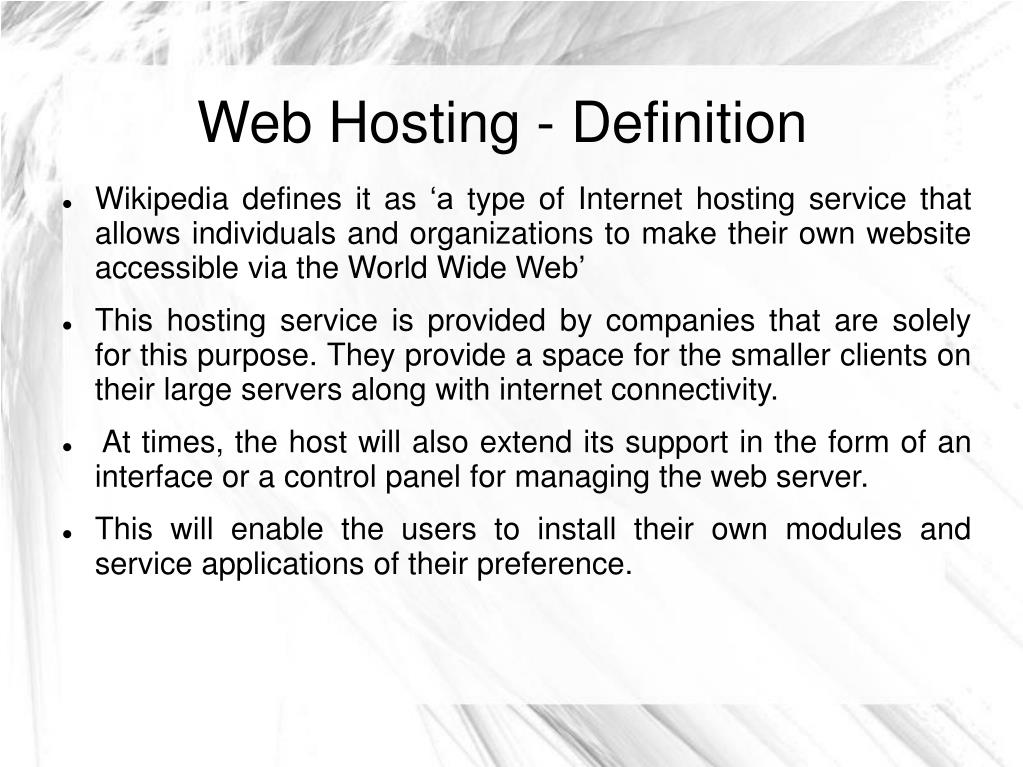
Web hosting is like renting space on the internet. Websites need a place to live. Hosting gives them that place. It stores files and data. Without hosting, sites can’t be seen. Hosting is important for online presence. It keeps sites running. It makes sure sites are always available. Hosting comes in different types. Shared hosting is cheap. Dedicated hosting is for big sites. Each type has its own use.
Web hosting is crucial for reliability. It makes sites load fast. Fast sites keep visitors happy. Hosting affects security too. Good hosts protect sites from attacks. They offer backups. Backups save data from loss. Hosting also helps with scalability. As sites grow, they need more space. Hosts give that space. Hosting is like a foundation. Without it, sites fall apart.

Credit: www.easysite.com
Types Of Web Hosting
Shared hosting is like sharing a room. Many websites use one server. It’s cheap and easy to use. But, it can be slow if too many sites are busy. It’s good for small websites and beginners.
VPS stands for Virtual Private Server. It’s like having your own apartment in a building. It offers more space and control than shared hosting. It’s faster and more secure. Good for growing websites.
Dedicated hosting means you have the whole house. One server, just for you. It’s powerful and fast. Great for big websites with lots of visitors. But, it’s more expensive.
Cloud hosting is flexible. Your website uses many servers. If one server is busy, another helps. It’s reliable and can grow with your site. Perfect for websites with changing traffic.
Features Of A Good Web Host
A good web host ensures your site is always online. Uptime is the time your site is live. Reliability means less downtime. Downtime means your site is offline. Choose a host with at least 99.9% uptime. Lower uptime can hurt your site. Visitors may leave if your site is down. Good hosts have a strong network. They manage servers well. Reliable hosts keep your site running. They fix problems fast. Your site stays online.
Scalability lets your site grow. As your site gets more visitors, it needs more space. A scalable host can handle this growth. They offer upgrades easily. With more visitors, you need more resources. More resources mean more speed. A good host can scale with your needs. You can upgrade plans smoothly. No downtime during upgrades. Your site stays fast as it grows.
Security keeps your site safe. A good host has strong security measures. They protect against hackers. Hackers can steal your data. Hosts use firewalls and encryption. Firewalls block bad traffic. Encryption protects sensitive info. Choose a host with daily backups. Backups save your data. If attacked, you can restore your site. Secure hosts keep your site safe from threats.
Choosing A Web Host
Think about what your website needs. Do you need more space or speed? Understand your goals. This helps in choosing the right web host. Consider if you want to expand later.
Look at different hosting plans. Some plans offer more features than others. Check what each plan includes. Compare prices to find the best deal. Choose a plan that fits your budget and needs.
Read what other people say about hosts. Feedback helps you know if a host is good. Look for positive reviews. Avoid hosts with many complaints. Reviews guide you in making a better choice.
Common Web Hosting Challenges
Website downtime can frustrate users. It means your site is not accessible. Your visitors cannot see your content. Frequent downtime hurts your website’s reputation. Search engines may rank your site lower. It’s crucial to have a host with high uptime. Ensure they offer a reliable service.
Your website must be secure. Hackers can steal data. They can harm your site. A good web host offers security measures. They must provide SSL certificates. They must have firewalls. This keeps your site safe from threats.
Customer support is vital. You might face issues. You need help quickly. Look for hosts with 24/7 support. They should offer chat, phone, or email support. This ensures you get help when you need it. Good support resolves issues fast. It keeps your website running smoothly.
Future Of Web Hosting
New technologies make web hosting better. Cloud hosting is fast and reliable. It helps websites stay online. AI helps manage servers smartly. It predicts problems before they happen. Green hosting uses less energy. It is good for the planet. Servers use wind and solar power.
Web hosting gets better every year. Security is a big trend. More hosts offer SSL certificates for free. It keeps data safe. Scalability is important too. Websites can grow easily. They get more space as they need. 24/7 support is common now. Help is always there. Even at night.
Credit: petalhost.com
Frequently Asked Questions
What Is A Web Host?
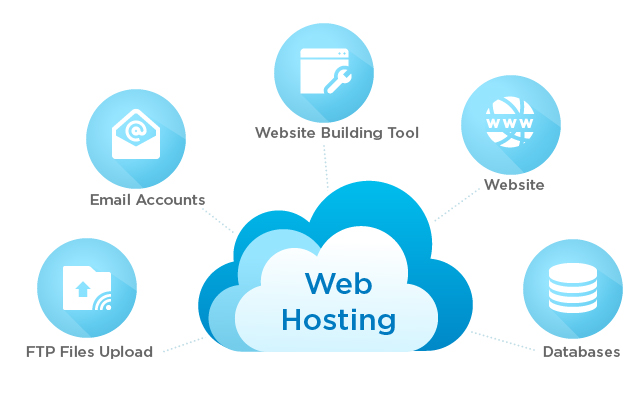
A web host provides the technology and services needed to make a website accessible online. It stores website files and ensures they are available on the internet. Users rent server space from hosting companies to maintain their websites. Reliable web hosting is crucial for website performance and security.
What Are The 3 Types Of Web Hosting?
The three types of web hosting are shared hosting, VPS hosting, and dedicated hosting. Shared hosting is cost-effective for beginners. VPS hosting offers more resources and flexibility. Dedicated hosting provides exclusive server access for high-traffic websites.
How Do I Find My Web Host?
Check your email for hosting details from the service provider. Visit WHOIS websites like whois. domaintools. com for domain information, including hosting. Access your website’s control panel for hosting details. Use terminal commands like ‘nslookup’ for tech-savvy methods. Contact your website developer or IT support for assistance.
Do I Really Need A Host For My Website?
Yes, a host is essential for website functionality and online presence. It stores website files and handles traffic. Without hosting, your website won’t be accessible on the internet, impacting SEO and user experience. Choose reliable hosting for better performance, security, and support.
Conclusion
Choosing the right web host is crucial for your website’s success. It provides storage and access for your site’s data. A good web host ensures your site loads quickly. It also offers reliability, keeping your website online. Security features protect your data from threats.
Support services help solve any issues you face. Consider your needs and budget when selecting a host. Research different providers to find the best fit. Your decision can impact site performance and user experience. Make an informed choice for your website’s future.


